









Why Your Freezer Needs a System
An unmanaged freezer is more than just a disorganized space; it’s a source of hidden costs. Without a clear view of what you have, it’s easy to buy duplicates at the grocery store or forget about items until they are no longer usable. The U.S. Department
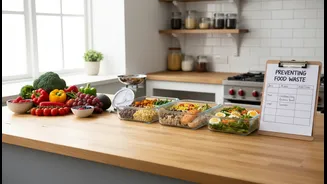
of Agriculture estimates that a significant amount of food is wasted annually, and forgotten freezer items contribute to this problem. A well-kept inventory transforms your freezer from a chaotic mess into a strategic tool for meal planning and budgeting. It helps you save money by using what you own, reduces food waste, and cuts down on the mental stress of figuring out what’s for dinner.
Step 1: The Great Freezer Audit
The first step is always the biggest, but it’s essential. You need to take everything out of your freezer. This gives you a clean slate and a chance to see what’s really in there. Have a cooler or insulated bags ready to keep everything frozen while you work. As you pull items out, sort them into three piles: keep, toss, and questionable. Be ruthless with items that are heavily freezer-burned or unidentifiable. Now is also the perfect time to give the empty freezer a thorough cleaning. Before putting everything back, label anything that’s unmarked with the item’s name and the date it was frozen.
Step 2: Choose Your Inventory Method
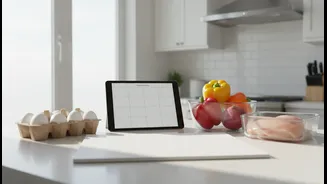
There is no single correct way to keep an inventory; the best system is the one you will actually use. Here are a few popular options: The Whiteboard Method: A magnetic dry-erase board on the freezer door is a simple, visual way to track your contents. It’s easy to add new items and erase things as you use them. This is great for households where multiple people need to see the list. Paper and Pen: A classic for a reason. You can use a dedicated notebook or a printable inventory sheet posted on a clipboard near the freezer. Some people use a simple tally system, making a mark for each item and crossing it off when used. Digital Apps: If you prefer a tech solution, several apps are designed for home inventory. Apps like 'AnyList', 'Cozzo', and 'NoWaste' allow you to create lists, track expiration dates, and even scan barcodes. These can be shared with family members and accessed from your phone while you’re at the store.
Step 3: What to Track and How to Organize
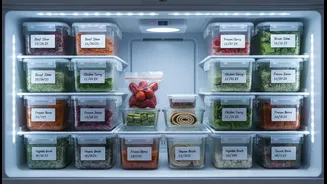
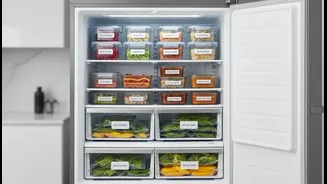
For your inventory to be useful, it needs a few key details for each item: the name of the food, the quantity (e.g., number of packages or weight), and the date it was frozen. You might also include a “use by” date to prioritize what to eat first. When you reload your freezer, organize it by zones. Keep similar items together: all the chicken in one bin, vegetables in another, and leftovers in a third. This makes finding things much quicker. A great tip is to freeze liquids like soups and sauces flat in freezer bags. Once frozen, you can file them vertically like books, saving a surprising amount of space.
Step 4: Make the Habit Stick
An inventory is only effective if it’s kept up to date. The key is to make it a seamless part of your routine. Update the list immediately after you put away groceries or take something out to cook. Hang your list and a pen in a can't-miss spot right by the freezer. To make sure you’re using up older items, follow the “First In, First Out” (FIFO) principle. When you organize your freezer, place newer items in the back and older ones at the front, making them the easiest to grab. A quick glance at your inventory before you go shopping will prevent you from buying things you already have, saving you money in the long run.