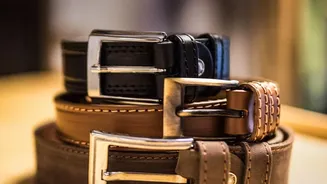







Often seen as purely functional, a well-chosen belt is a powerful accessory that can redefine a silhouette and complete a look. This guide explores how to harness the power of belts, from choosing the right width to mastering placement.
Understanding Belt Widths
The width of a
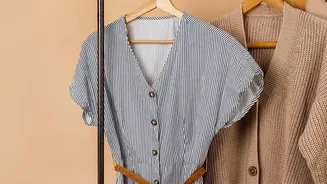
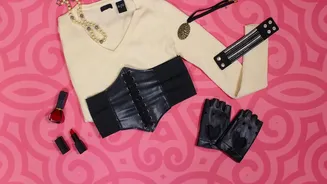
belt dramatically impacts its effect on an outfit. Skinny belts, typically under an inch wide, offer a subtle, refined accent. They are perfect for cinching a well-fitting dress, adding a detail to high-waisted trousers, or defining the waist over a fine-knit cardigan without overwhelming the fabric. On the other hand, wide belts (two inches or more) make a bold statement. They are excellent for creating an hourglass shape over looser garments like oversized blazers, tunics, or shirt dresses, providing structure against the flowy fabric. A standard-width belt, about 1 to 1.5 inches, is the most versatile, designed to fit standard belt loops on jeans and trousers, balancing function with style.
Mastering Colour and Texture
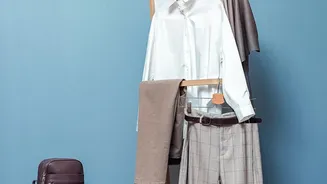
Colour is a key consideration when selecting a belt. For a streamlined, elongated look, match your belt to the colour of your trousers or skirt. This creates an unbroken visual line that is both polished and professional. Conversely, a contrasting belt can act as a focal point. A rich brown belt over a cream dress, for instance, draws the eye to the waist and adds a high-end feel. While the old rule of matching your belt to your shoes exactly has relaxed, especially in casual wear, coordinating tones still creates a cohesive look. For formal attire, a close match between a leather belt and leather shoes remains a timeless standard. Don't forget about texture; a woven or braided belt can add a casual, summery feel, while a classic leather belt works year-round.
Perfecting Your Placement
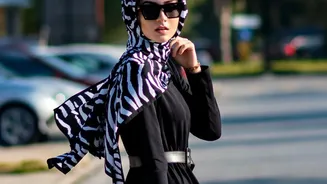
Where you wear a belt is just as important as the belt itself. Placing a belt at your natural waist—the narrowest part of your torso—is the most common and effective way to define your figure and create an hourglass shape. This works beautifully over dresses, blazers, and jumpsuits. For a more relaxed, bohemian vibe, a belt worn lower on the hips can look great with maxi dresses or relaxed-fit jeans. Another chic option is belting over outerwear. Cinching a trench coat, a boxy blazer, or a chunky cardigan adds shape and structure, preventing bulky layers from looking shapeless. When belting over a blazer, place it at your natural waist to create definition.
Beyond the Basics: Buckles and Layering
The details can make all the difference. Pay attention to the hardware. Coordinating your belt buckle's metal—gold or silver—with your other accessories like jewellery or a watch creates a polished and intentional look. A statement buckle can turn a simple belt into the centrepiece of your outfit, especially when paired with a simple dress or classic jeans. For the more fashion-forward, layering belts is an emerging trend. This involves mixing and matching different widths, textures, and colours. Try anchoring your look with a structured belt at the waist and draping a more delicate chain belt lower on the hips for a dimensional, curated feel.