




The Other Side of Paradise
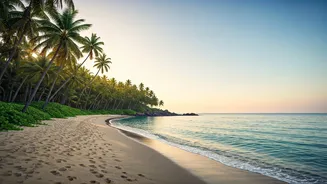
For years, the consensus has been clear: the best time to visit Goa is between November and February. [15] This is the season of sun-drenched days, calm seas, and every shack and nightclub operating at full tilt. [15] But this popular perception overlooks
a compelling alternative. The off-season, primarily the monsoon months from June to September, offers a completely different, and for many, a more profound Goan experience. [14] It’s a trade-off, certainly. You swap guaranteed sunshine and ocean swims for something more atmospheric and introspective. While most water sports are suspended due to rough seas, this opens the door to a Goa that’s less about the party and more about the place itself. [16]
A Landscape Reborn
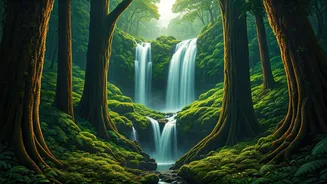
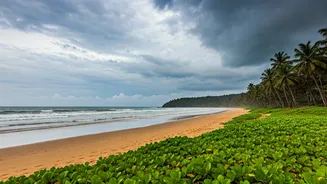
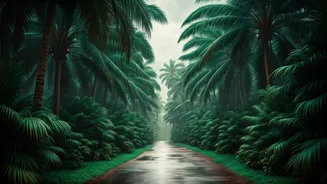
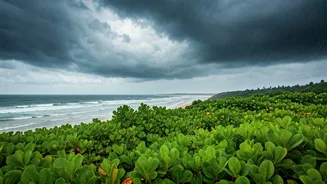
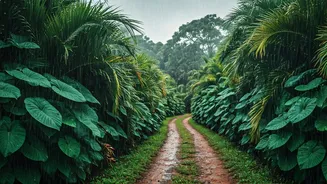
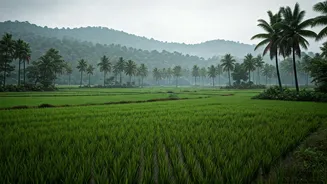
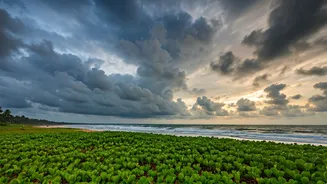
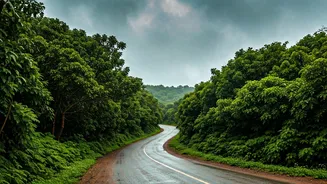
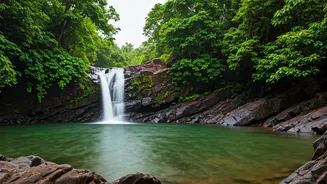
The most immediate and striking difference during the monsoon is the colour palette. The dry, sun-baked landscape of the peak season gives way to an explosion of green. [10] The rains transform the state into a lush, emerald paradise, washing the dust from the heritage buildings and breathing life into the countryside. [6] This is when Goa's natural beauty is at its most potent. The waterfalls, often trickles in the dry season, become thunderous spectacles. A trip to Dudhsagar or Tambdi Surla waterfalls during this period is a breathtaking experience, with the cascades at their most powerful. [3, 8] The Western Ghats become a haven for trekkers and nature lovers, offering misty trails and vibrant biodiversity in wildlife sanctuaries like Bhagwan Mahavir and Bondla. [7, 8]
The Practical Perks: Fewer Crowds and Lower Costs
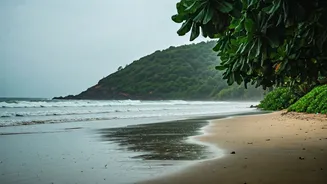
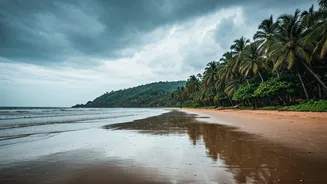
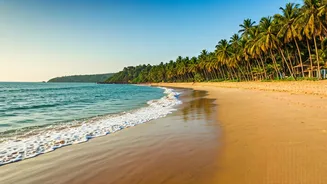
Beyond the aesthetics, the practical advantages of an off-season trip are significant. The biggest draw for many is the peace and quiet. The famously crowded beaches of North Goa become tranquil, near-private stretches of sand, perfect for long, contemplative walks. [13, 14] This absence of crowds extends to roads, markets, and restaurants, allowing for a more relaxed and unhurried pace of exploration. [13]
This drop in tourist traffic leads to another major benefit: cost. Flights, hotels, and even scooter rentals see significant price drops, with discounts of up to 50% or more being common. [10, 18] Luxury stays that might be prohibitive during peak season become accessible, offering a chance to experience high-end hospitality on a budget. [4] This makes Goa's off-season a particularly attractive proposition for budget-conscious travellers. [19]
What to Do When the Beach is Off-Limits
While swimming in the choppy monsoon sea is unsafe and most beach shacks are closed, Goa's hinterland comes alive with alternatives. [15, 16] Spice plantations offer fragrant tours and delicious home-cooked Goan meals, providing a sensory escape from the rain. [3, 5] The historic, colourful lanes of Fontainhas in Panjim are perfect for a rain-soaked walk, feeling like a step back in time. [5] For a different kind of water activity, kayaking in the calm, mangrove-lined backwaters of the Chapora or Mandovi rivers offers a serene perspective. [2] Many restaurants and bars, especially in hubs like Calangute, Candolim and Anjuna, remain open, offering cosy refuges to enjoy Goan cuisine while watching the rain fall. [4] Even the nightlife doesn't completely shut down, with many indoor clubs still hosting parties. [11]
Embracing the Monsoon Mindset
Visiting Goa in the off-season requires a shift in mindset. It’s not a trip for those seeking a non-stop beach party and water sports. Instead, it’s for travellers who appreciate a slower pace, natural beauty, and a more authentic local atmosphere. [16] Packing quick-dry clothing, a light rain jacket, and sturdy footwear is essential. [3] While there will be rainy days, the downpours are often intermittent, leaving plenty of time for exploration. [16] It's a chance to connect with the culture through local festivals like São João, explore the quiet islands of Divar and Chorao by scooter, and see a side of Goa that remains hidden during the tourist rush. [2, 10] It’s Goa for the poets, the nature lovers, and the wanderers—a chance to find beauty not in perfect weather, but in the dramatic, revitalising power of the monsoon.