




Decoding Softness: A Guide to Wool Types
Not all wool is created equal, and the key to comfort lies in the fibre. For supreme softness, Merino wool is a top choice. Its fibres are incredibly fine, making it lightweight, gentle on the skin, and great at regulating body temperature. Cashmere,
from the soft undercoat of goats, is the epitome of luxury, offering exceptional softness and lightweight warmth. Another wonderfully soft and hypoallergenic option is Alpaca wool, which is naturally free of lanolin and often warmer than sheep's wool despite its lighter weight. Lambswool, taken from a lamb's first shearing, is also very smooth and soft, making it another excellent choice for delicate sweaters.
How to Spot Quality When Shopping
Beyond the label, you can assess quality with a simple touch test. A quality knit should feel balanced and have a bit of spring when you gently pinch and release it. Be wary of fabrics that feel excessively soft due to heavy brushing, as this can be a sign of a lower-quality material that will pill quickly. Hold the garment up to the light to check for an even knit without thin patches. While blends with synthetic fibres like polyamide can add durability, a high percentage of natural fibre is usually a better indicator of comfort and breathability. Finally, check the seams and finishing; well-made details suggest a garment built to last.
The Golden Rules of Washing Wool
The secret to long-lasting woollens is washing them less and washing them correctly. Wool is naturally antibacterial and often just needs to be aired out between wears to refresh. When a wash is necessary, always check the care label first. For machine washing, use a dedicated wool, delicate, or hand-wash cycle with cold water (never above 30°C) and a low spin speed (no more than 600 RPM). It’s wise to turn garments inside out and use a mesh laundry bag to prevent pilling. For hand washing, use lukewarm water and a mild, pH-neutral detergent or even baby shampoo. Submerge the garment, gently squeeze the suds through, and rinse twice in water of the same temperature without wringing or twisting.
Drying, Shaping, and Storing
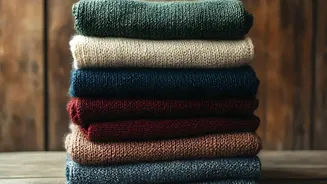
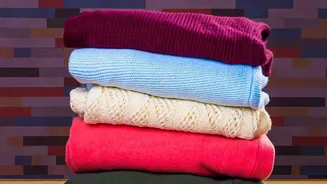
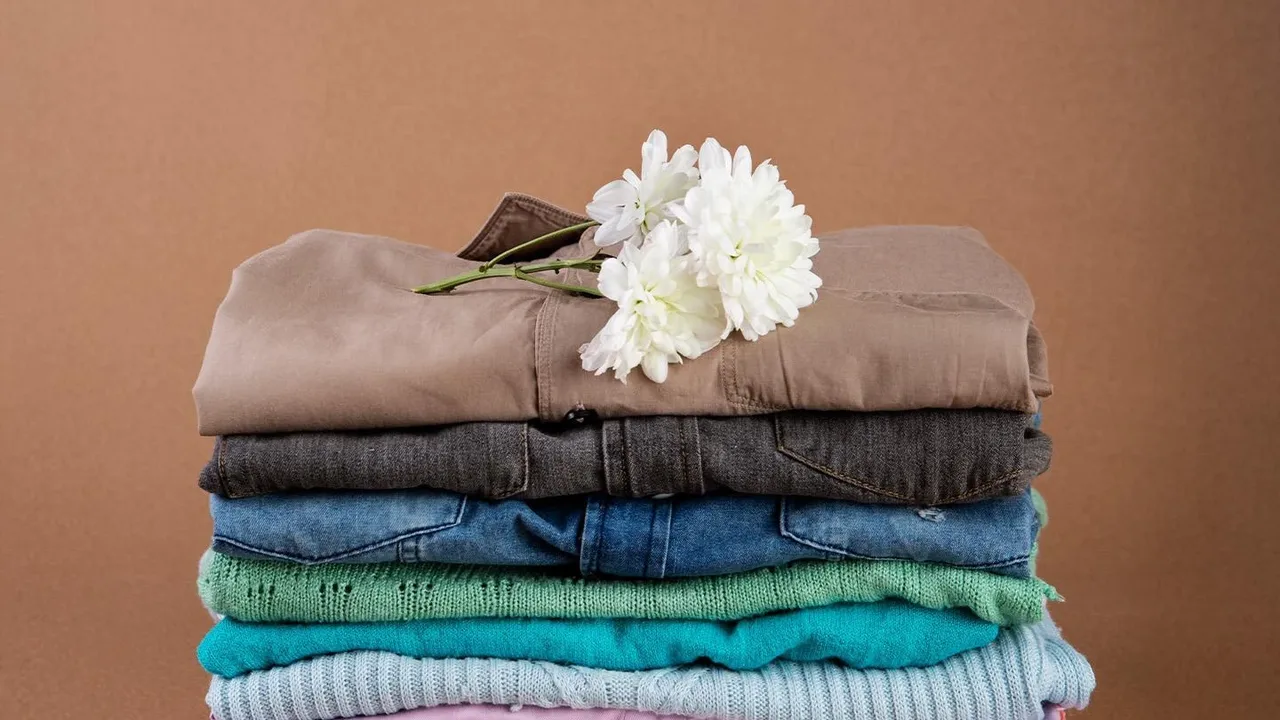
Never hang a wet wool garment, as the weight of the water will stretch the fibres and ruin its shape. Instead, gently roll the item in a clean towel to absorb excess moisture, then lay it flat on a dry towel or mesh rack away from direct sunlight or heat. When it comes to storage, folding is always better than hanging. Before putting your woollens away for the season, ensure they are completely clean, as moths are attracted to dirt and body oils, not the wool itself. Store them in breathable containers or fabric bags, not sealed plastic which can trap moisture. For natural moth protection, add cedar blocks or lavender sachets to your drawers and wardrobes.
Dealing with Pills and Minor Problems
Pilling, those tiny fuzzballs that appear on the surface, is normal for natural fibres, especially in high-friction areas. The key is to remove them correctly. Lay the garment flat and use a fabric shaver, sweater comb, or a pumice-like sweater stone, working gently in one direction. Never pull pills off by hand, as this can damage the fibres and lead to more pilling. To minimise pilling in the future, wash garments inside out, avoid harsh detergents, and reduce friction from bags or seatbelts when possible.