


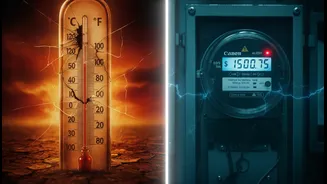




An Unprecedented Surge in Cooling
India's demand for cooling is growing at a blistering pace. As incomes rise and heatwaves become more frequent and intense, air conditioner ownership is skyrocketing. Projections show that AC ownership could jump from just over 8% of households to 40%
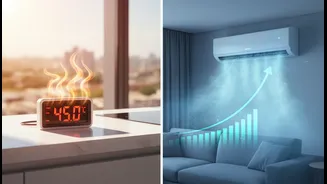
by the late 2030s. In 2025 alone, 15.4 million air conditioners were sold, a number expected to nearly double by 2030. This surge is not just about comfort; it's a sign of economic development. However, it places an enormous strain on our power infrastructure, with cooling already accounting for 40-60% of peak summer electricity load in major cities.
The Twin Costs of Comfort
This cooling boom comes with two significant costs. The first is the immense pressure on India's electricity grid. Recent heatwaves have pushed peak power demand to record highs of over 270 gigawatts, leading to localised power cuts in several cities. The second is the environmental impact. Air conditioners are energy-hungry appliances, and with India's power grid still heavily reliant on coal, more ACs mean more emissions. Furthermore, the refrigerants used in many ACs are potent greenhouse gases. This creates a vicious cycle: we use more ACs to escape the heat, which in turn contributes to the climate change that causes more heatwaves.
The Nighttime Challenge and Urban Heat
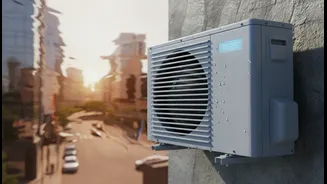
The problem extends even after the sun sets. Nighttime temperatures across India are rising, in some cases twice as fast as daytime temperatures. This prevents buildings from cooling down naturally and forces ACs to run longer, sustaining high electricity demand through the night. This is made worse in cities by the 'Urban Heat Island' effect, where concrete and asphalt trap heat, making urban areas significantly warmer than their surroundings. The waste heat pumped out by millions of AC units further intensifies this effect, creating a feedback loop where our solution to the heat actively makes our cities hotter.
India’s Strategy: The Cooling Action Plan
Recognising this looming crisis, the Indian government launched the India Cooling Action Plan (ICAP) in 2019. It's one of the first of its kind globally, providing a long-term vision to meet cooling needs sustainably. The plan’s ambitious goals for 2037-38 include reducing cooling demand by 20-25% and cutting the energy required for cooling by 25-40%. It aims to do this by promoting energy-efficient appliances, encouraging better building design with passive cooling techniques, and developing a skilled workforce for servicing and maintenance.
Smarter Choices for a Cooler Future
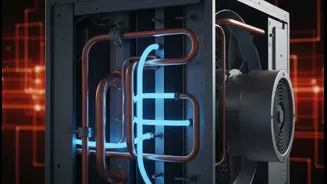
While policy is crucial, individual choices play a significant role. When buying a new AC, opting for a 5-star inverter model can cut electricity consumption by 40-50% compared to a basic non-inverter model. For a 1.5-ton AC, a 5-star inverter unit uses about 0.8-1.2 units of electricity per hour, whereas a 3-star non-inverter model can use 1.5-2.0 units. Simple habits like setting the thermostat to 24-26°C, keeping doors and windows closed, and regular servicing can also make a huge difference to your monthly bill. Beyond ACs, passive cooling methods like using blinds, ensuring cross-ventilation, and considering cool roofs can naturally lower indoor temperatures, reducing the need for artificial cooling.