




Master Your Ventilation Strategy
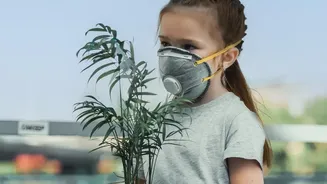
It may seem counterintuitive, but sealing your home completely is not the answer. Stagnant air allows indoor pollutants from cooking, cleaning, and even breathing to build up. The key is to ventilate strategically. Keep an eye on the Air Quality Index
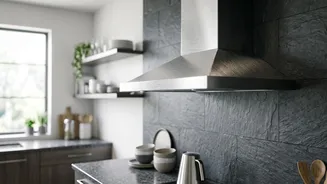
(AQI) using a reliable app or website. Avoid opening windows during peak pollution hours, which are typically early in the morning and late in the evening when traffic is heavy. Instead, aim for a brief period of ventilation during the afternoon when AQI levels are often at their lowest for the day. Using exhaust fans in kitchens and bathrooms is also crucial to expel pollutants and moisture at their source.
Invest in a High-Quality Air Purifier
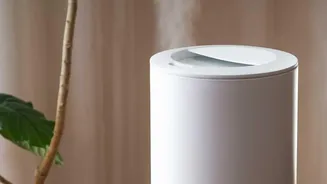
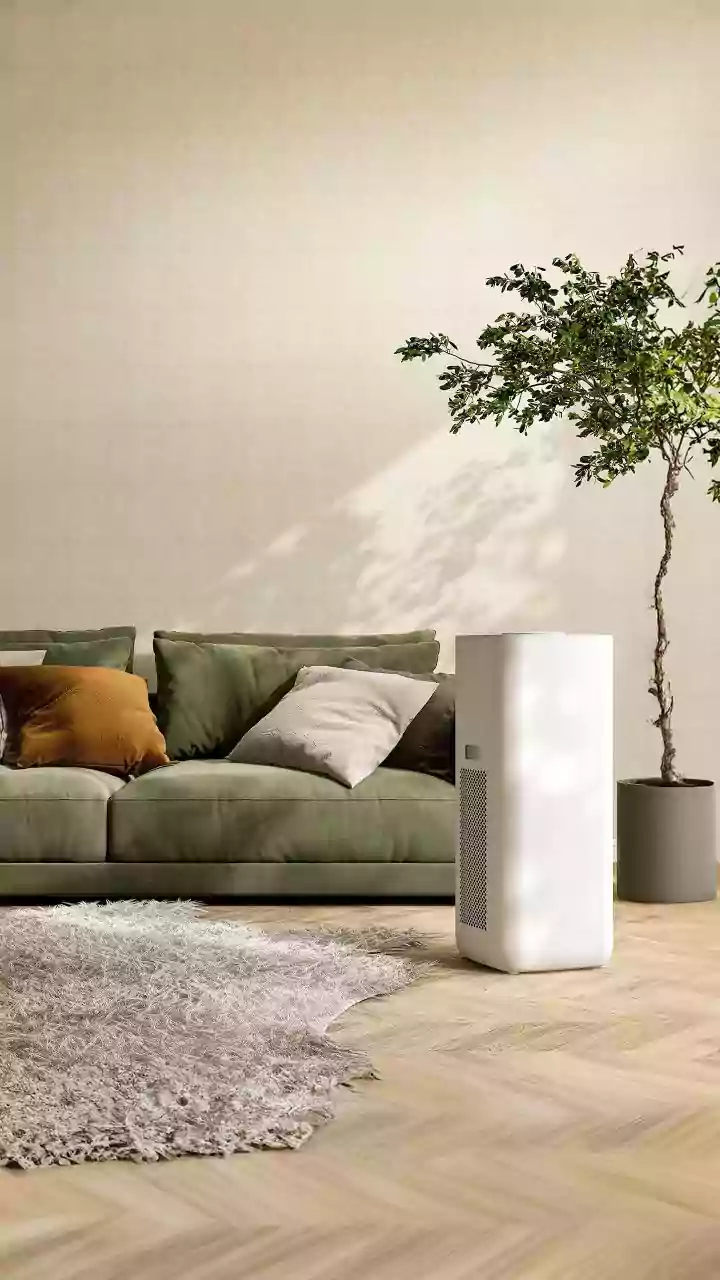
For Delhi's challenging winters, an air purifier is less of a luxury and more of a necessity. Indoor air can be up to five times more polluted than outdoor air, trapping harmful particles. Look for a model equipped with a High-Efficiency Particulate Air (HEPA) filter. These are the gold standard, designed to capture at least 99.97% of airborne particles like dust, pollen, and, most importantly, the dangerous PM2.5 particles that can penetrate deep into the lungs. When choosing a purifier, consider the Clean Air Delivery Rate (CADR) and ensure it's appropriate for your room size. For maximum benefit, place the unit in the room where you spend the most time, such as the bedroom, and remember to clean or replace the filters as recommended by the manufacturer.
Bring Nature Indoors with Air-Purifying Plants
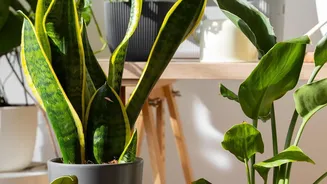
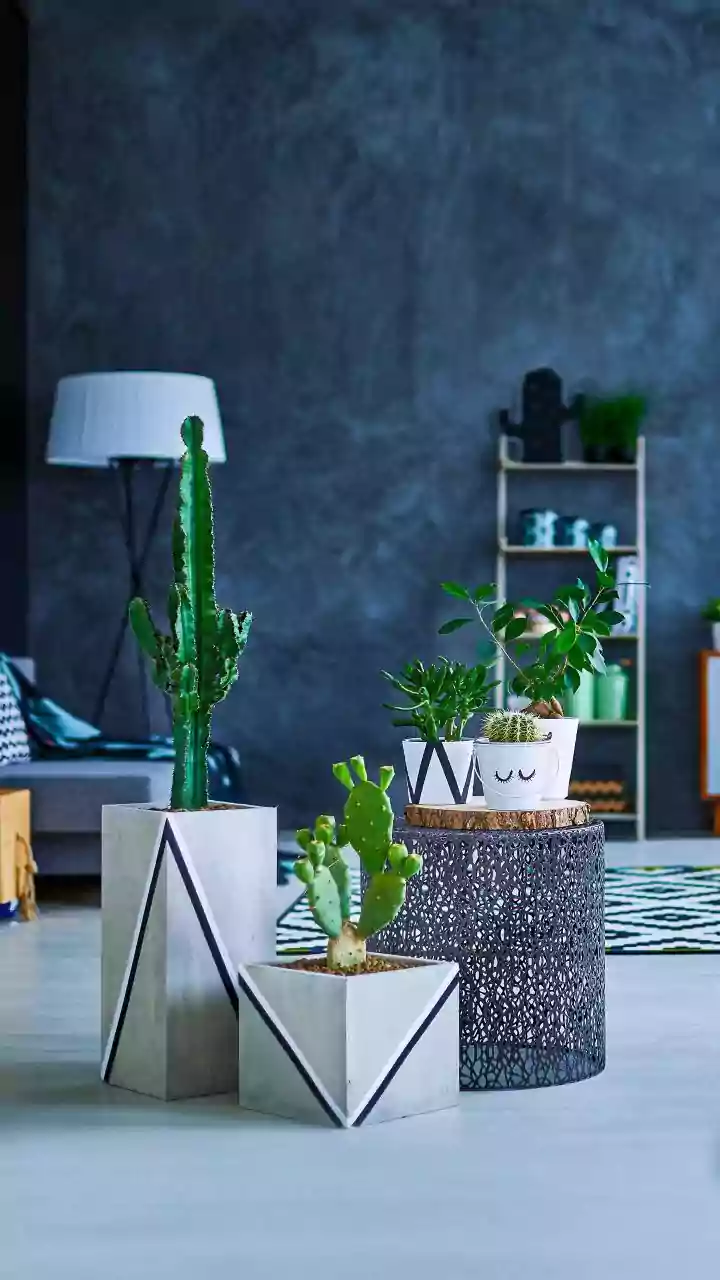
While not a substitute for a mechanical purifier, certain houseplants can complement your efforts to clean the air. A famous 1989 NASA study identified several plants that are effective at absorbing common indoor toxins like formaldehyde and benzene. Some of the best and hardiest options for Indian homes include the Snake Plant, which is unique for releasing oxygen at night, making it perfect for bedrooms. The Areca Palm is excellent for adding humidity to dry winter air and filtering toxins. And the ubiquitous Money Plant is a low-maintenance champion at removing formaldehyde. These plants are readily available and can help create a healthier, more pleasant indoor environment.
Control Pollutants at the Source
Many pollutants originate inside the home. Identifying and controlling these sources is a critical step. Avoid burning incense, dhoop, and even too many diyas, as they release fine particulate matter. Similarly, indoor smoking is a major source of pollution and should be strictly avoided. Be mindful of the products you use for cleaning and decorating. Many paints, varnishes, and cleaning agents contain Volatile Organic Compounds (VOCs) that can linger in the air. Whenever possible, opt for low-VOC or zero-VOC alternatives to reduce chemical off-gassing in your living space.
Rethink Your Cleaning Routine
A clean home is a healthier home, but the method matters. Dry sweeping and dusting can kick up settled dust and particulate matter, making them airborne again. Instead, use a damp cloth for dusting surfaces, which traps dust instead of spreading it. When it comes to floors, vacuuming is preferable to sweeping. For best results, use a vacuum cleaner that has a HEPA filter to ensure that fine dust particles are captured and not just recirculated back into the room. Regular cleaning of bedding, curtains, and carpets also helps reduce the buildup of dust and allergens.
Seal the Gaps and Cracks
Polluted outdoor air can easily seep into your home through small, unseen gaps around windows and doors. This infiltration can undermine your efforts to maintain clean indoor air. Take some time to inspect your home for any cracks or leaks. Applying weatherstripping to door frames and using caulk to seal gaps around window panes are simple, cost-effective ways to create a better seal against the outside elements. This not only helps keep pollutants out but can also improve your home's insulation, keeping it warmer during the cold winter months.