


Race Against Your Own Best Time
The easiest competitor to find is the one you were yesterday. This is the foundation of turning your walk into a sport. Before you start, forget about competing with others. Your first challenge is to set a personal baseline. Time your walk from your front
door to your office entrance for a few days without pushing yourself. Find your average time. Now, the game begins. Can you shave 15 seconds off that time tomorrow? Can you maintain a faster pace for the first five minutes? Using the stopwatch on your phone is all you need. This simple act of self-competition provides a clear goal, turning a mindless stroll into a focused mission. The feeling of setting a new ‘Personal Best’ (PB) on a random Tuesday morning is more motivating than any cup of coffee.
Join The Digital Leaderboard
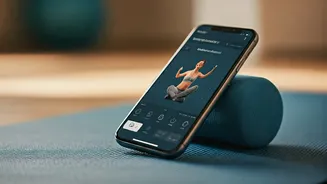
Ready to take on the world? Fitness apps are your gateway to global and local competition. Apps like Strava, Nike Run Club, and Pacer do more than just track your steps and distance. They turn your route into a virtual race course. Strava is famous for its ‘segments’—stretches of road or trail where users can compete for the fastest time. You might discover that the last 500 metres to your office is a popular segment. Suddenly, you’re not just walking to work; you’re trying to become the ‘Local Legend’ of that path. Many apps also feature monthly distance challenges and group leaderboards, letting you compete with friends, colleagues, or even strangers across the country. This social accountability and competitive fire can be an incredibly powerful tool to get you out the door, even on days you don’t feel like it.
Create Your Own 'Game Map'
Your daily route is not just a path; it's a game level waiting to be designed. Instead of just walking from Point A to Point B, look at your surroundings with a gamer’s eye. The red postbox on the corner? That's a checkpoint. The flyover you walk under? That’s a ‘power-up’ zone where you have to speed-walk. The crowded market street? That’s a bonus level where you get points for navigating efficiently without bumping into anyone. You can create mental rules for yourself: ‘sprint between this streetlight and the next,’ or ‘only step on the white tiles of the pavement for this block.’ This technique, a form of active mindfulness, not only makes the walk more fun but also keeps your brain engaged, pulling you out of autopilot mode and making you more aware of your environment. It’s a workout for your body and your imagination.
The Points and Rewards System
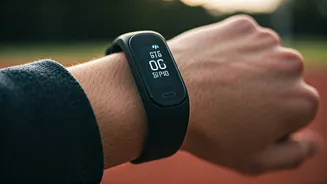
Humans are wired to respond to rewards. So, build your own rewards system. Use a fitness tracker from brands like Fitbit, Garmin, or Xiaomi to monitor metrics like steps, calories burned, or 'Active Zone Minutes'. Now, assign point values to these achievements. For example, 10,000 steps before you reach your desk is worth 100 points. Hitting your calorie goal is another 50. Climbing that flight of stairs instead of taking the lift? That’s a 20-point bonus. At the end of the week, tally up your points. If you reach a certain threshold—say, 500 points—you earn a reward. This doesn't have to be anything extravagant. It could be your favourite dessert over the weekend, a new episode of a show you love, or ordering in from that restaurant you’ve been eyeing. The anticipation of the reward can provide a powerful incentive.
Walk For a Greater Cause
Sometimes, the best motivation comes from competing for something bigger than yourself. Several apps allow you to convert your physical effort into charitable donations. With an app like Charity Miles, you can choose a cause you care about, and corporate sponsors will donate a certain amount for every kilometre you walk, run, or bike. There’s a profound shift in mindset when your morning walk is no longer just for your own health, but is also contributing to providing clean water, funding medical research, or supporting animal welfare. You can even create a team with your colleagues and pool your kilometres together for a collective goal. This adds a layer of purpose to every step, turning a personal competition into a collaborative effort for good.