



The Humble ‘Miracle Tree’
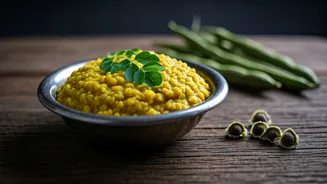
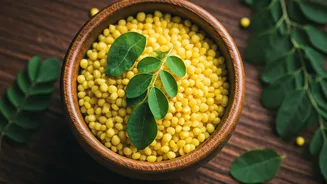
What is this 'miracle tree' that's suddenly everywhere? Known scientifically as Moringa oleifera, it's the very same drumstick tree (सहजन, or sahjan) that has grown in Indian backyards for centuries. While we’ve long enjoyed its drumsticks in sambar and
curries, the true nutritional gold is hidden in its leaves. Traditionally used in Ayurvedic medicine for its healing properties, these leaves are now dried and crushed into flakes or a fine powder, making their incredible benefits accessible to everyone. Think of it not as a new, foreign fad, but as a rediscovery of a powerful ingredient that has always been part of our local biodiversity. It's a return to roots, with a modern, convenient twist.
A Nutritional Powerhouse Explained
The term "superfood" gets thrown around a lot, but moringa truly earns the title. Gram for gram, moringa leaves contain a staggering amount of nutrients. Studies show they pack about seven times the Vitamin C of oranges, four times the Vitamin A of carrots, four times the calcium of milk, and three times the potassium of bananas. It's also a rare plant-based source of complete protein, containing all nine essential amino acids. Beyond these macros, moringa is loaded with antioxidants like quercetin and chlorogenic acid. These compounds are your body's personal cleanup crew, fighting off free radicals that cause oxidative stress and cellular damage. This isn't just marketing fluff; it's a dense concentration of vitamins and minerals that can help fill common nutritional gaps in our daily diets.
Why Your Body Will Thank You
So, what does this nutrient density actually do for you? The benefits are wide-ranging. The high concentration of antioxidants and anti-inflammatory compounds may help reduce inflammation in the body, which is linked to chronic diseases like heart disease and arthritis. Some early studies suggest that moringa can help lower blood sugar levels, making it potentially beneficial for managing diabetes, though more research is needed. Its compounds may also help in lowering cholesterol. The rich iron content makes it a fantastic natural supplement for combating anaemia and boosting energy levels, a common concern for many. It’s a holistic boost, supporting everything from your immune system (thanks, Vitamin C!) to your bone health (hello, calcium and phosphorus!).
The Perfect Pairing: Moringa and Dal
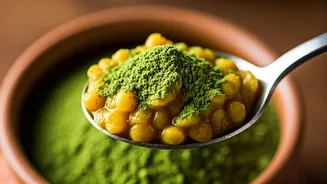
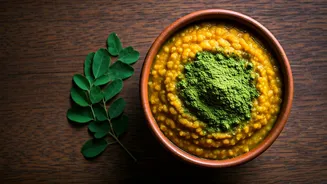
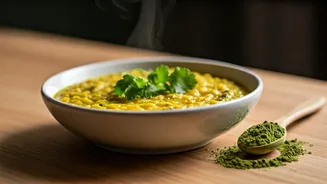
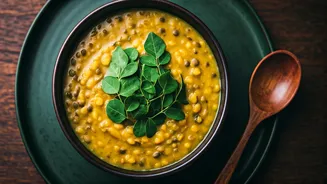
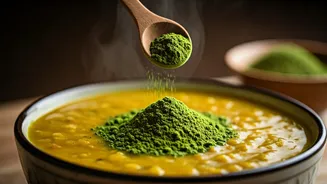
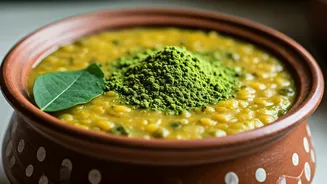
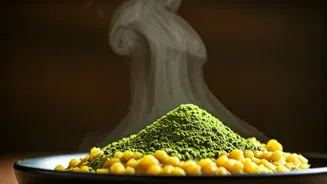
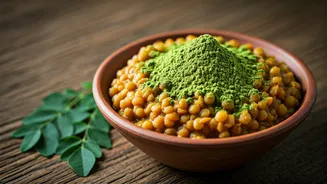
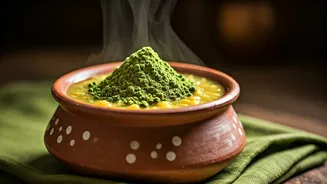
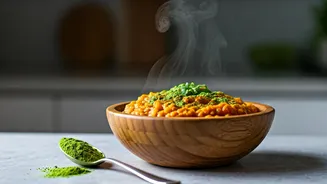
This is where the magic happens. The slightly earthy, spinach-like taste of moringa can be strong for some, which is why dal is the perfect vehicle. The robust, complex flavours of a well-made dal can easily embrace and mellow the taste of moringa flakes. The best part? It requires zero extra effort. Simply prepare your favourite dal—be it toor, masoor, or moong. Just before you turn off the heat or add your tadka, stir in one teaspoon of moringa flakes or powder per serving. Let it simmer for just a minute to integrate. The flakes will dissolve almost completely, subtly enriching the dal without overpowering it. Start with a small amount and gradually increase as you get used to the taste. It’s an instant, invisible upgrade.
How to Choose the Best Moringa
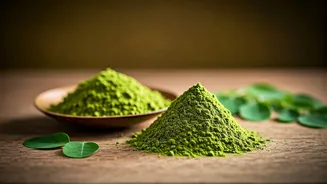
Not all moringa products are created equal. To get the most benefits, look for moringa powder or flakes that are 100% pure and preferably organic to avoid pesticides. The colour is a key indicator of quality: it should be a vibrant, bright green. A dull, brownish-green powder suggests it may be old, has been exposed to sunlight, or was processed at high heat, which destroys many of its delicate nutrients. Once you have your pouch, store it in a cool, dark, and dry place in an airtight container to protect it from light and moisture, which can degrade its nutritional value.