






The Annual Urban Crisis
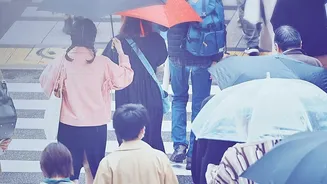
Every year, as the monsoon sweeps across India, it brings a predictable yet potent challenge for the urban workforce. Major metropolitan hubs like Mumbai, Delhi, and Bengaluru grind to a near halt. Waterlogged streets, stalled traffic, and dangerously
overcrowded public transport become the norm. For employees, the daily commute transforms into a hazardous obstacle course. The choice between staying safe at home and adhering to strict office attendance policies is more than just an inconvenience; it's a significant source of stress and risk. This recurring seasonal dilemma forces a confrontation between traditional workplace expectations and the practical realities of life in a city under deluge.
A Shift in Expectations
The global pandemic fundamentally altered the conversation around remote work, proving that for many roles, productivity is not tied to a physical office. This recent history has reshaped employee expectations. Now, when faced with extreme weather events, many question the necessity of a dangerous commute. If the work can be done from home, why should an employer demand their physical presence amidst a government-issued red alert? This mindset is clashing with some companies' push to return to pre-pandemic norms, where 'presenteeism' was often valued over genuine output. The monsoon is no longer just a weather event; it's a flashpoint in the ongoing debate about the future of work.
The View from the Corner Office
From an employer's perspective, the issue is complex. For manufacturing, logistics, or retail, remote work is not a viable option, creating fairness challenges. Managers may worry about maintaining productivity, collaboration, and team cohesion when a portion of the workforce is at home. There's also the administrative burden of tracking who is working from where and ensuring business continuity. However, progressive companies are recognizing that inflexible policies during crises can backfire, leading to decreased morale, higher employee turnover, and a damaged employer brand. The crucial difference often lies in trust and the willingness to adapt. Forcing employees to come to the office during severe weather can be seen as a direct contradiction of a company's stated commitment to employee well-being.
Where the Law Stands
Legally, employers have a 'duty of care' towards their employees. While specific Indian labour laws on work during natural calamities can be nuanced, this general principle requires companies to provide a safe working environment. Increasingly, government bodies are stepping in. During recent heavy rains in Mumbai, the state's Chief Minister urged private companies to allow work-from-home on humanitarian grounds and warned of potential action under the Disaster Management Act for non-compliance. The State Disaster Management Authority also issued advisories for private offices to implement remote work wherever possible. This signals a growing official expectation that companies should prioritize safety over rigid attendance rules during officially declared weather emergencies.
Forging a New Monsoon Policy
The most forward-thinking companies are moving beyond ad-hoc decisions and creating formal 'inclement weather' policies. These policies provide clarity and empower both managers and employees. Key components include clear communication channels for announcing remote work days, flexible start and end times to avoid peak chaos, and leveraging technology that was scaled up during the pandemic. Some firms are adopting a hybrid model that becomes particularly valuable during the monsoon, allowing employees to work from home on days with heavy rain forecasts. By preparing in advance, companies can ensure business continuity without compromising the safety and trust of their most valuable asset: their people.