






Understanding the Shravan Diet
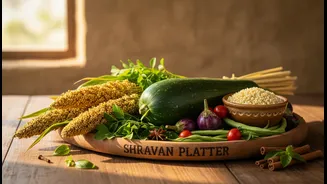
The dietary practices during Shravan, or Sawan, are rooted in the principles of Sattvic eating, which focuses on pure, light, and easily digestible foods. This approach is believed to calm the mind and support spiritual practices. Traditionally, this
means abstaining from non-vegetarian items like meat, fish, and eggs. Many devotees also avoid onion and garlic, which are considered 'rajasic' or 'tamasic', meaning they can create heat and disturb mental balance. Alcohol and tobacco are also strictly avoided. Instead, the diet pivots to fresh fruits, vegetables, dairy products, and specific grains and flours that are permitted during fasting. This shift is not just spiritual; Ayurveda suggests that during the monsoon season, when Shravan falls, our digestion is weaker, making a lighter diet beneficial.
Power Your Plate with Protein
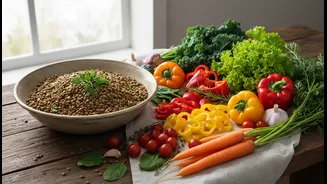
While many common lentils (dals) are avoided during Shravan fasting, protein intake is still crucial for maintaining energy levels. Dairy products become a primary source of protein. Paneer, milk, and curd (yogurt) are excellent choices that are widely consumed. They provide high-quality protein, calcium, and probiotics that aid digestion. For those looking for plant-based alternatives, peanuts are a great option, often used roasted as a snack or ground in dishes like Sabudana Khichdi. Dry fruits such as almonds, walnuts, and cashews also offer a good dose of protein and healthy fats, making them a perfect snack to keep hunger at bay.
Embrace a Variety of Vegetables
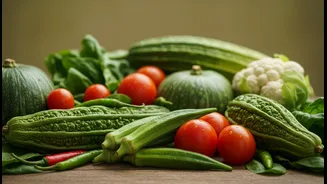
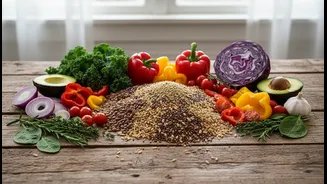
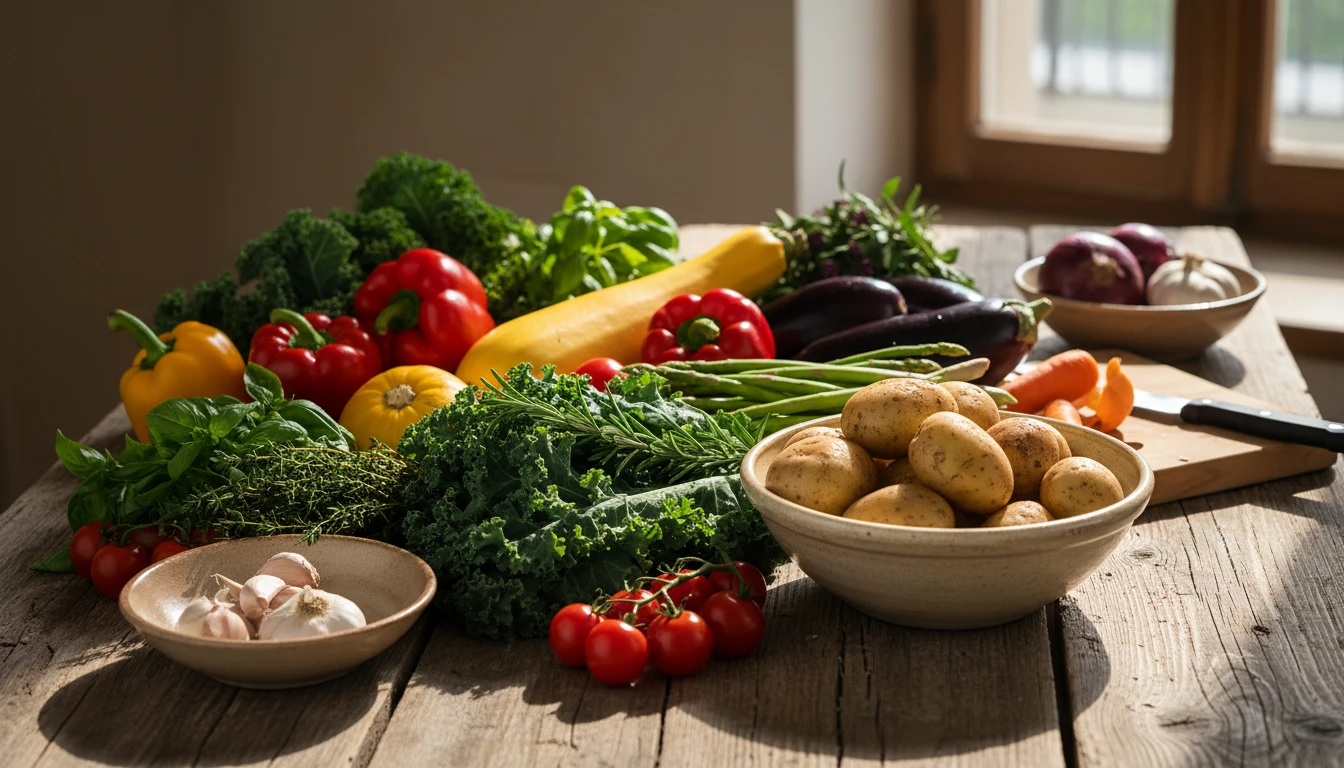
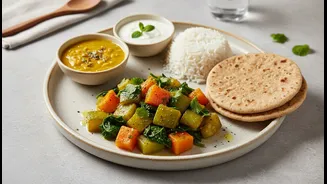
Vegetables are a cornerstone of the Shravan diet, providing essential vitamins and minerals. However, not all vegetables are consumed; leafy greens are sometimes avoided due to the higher chance of insects during monsoon. The focus shifts to gourds and root vegetables. Bottle gourd (lauki), pumpkin (kaddu), cucumber, and potatoes are staples. These vegetables are incredibly versatile. You can prepare a simple and hydrating Lauki Aloo Curry or a sweet and savory Pumpkin Sabzi. Root vegetables like sweet potatoes and yams (arbi) are also popular, providing complex carbohydrates for sustained energy.
Choose Your Carbs Wisely
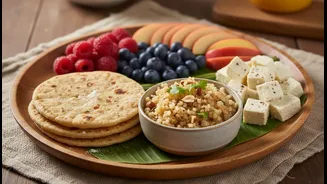
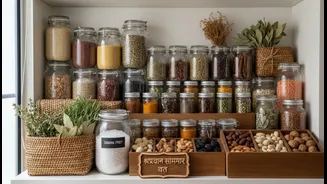
During Shravan, regular grains like wheat and rice are often replaced with specific 'vrat' or fasting-friendly alternatives. These are not only permitted but also offer unique nutritional benefits. Buckwheat flour (kuttu ka atta), water chestnut flour (singhare ka atta), and amaranth flour (rajgira ka atta) are commonly used to make puris, parathas, and cheelas. Sabudana (tapioca pearls) is another fasting superstar, used to make comforting dishes like khichdi and vada. For a rice substitute, many turn to barnyard millet (samak ke chawal), which can be used to prepare pulao or kheer. These grains are typically gluten-free and light on the stomach.
A Sample Shravan Meal Plan
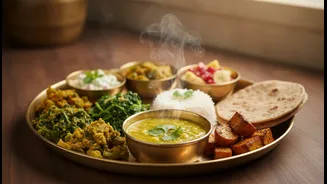
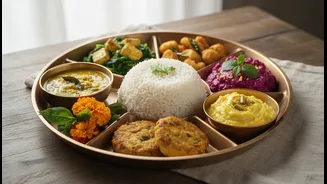
Putting it all together can be simple and delicious. Here’s an idea for a balanced day of eating during Shravan: Breakfast: Start your day with a bowl of fresh fruits like bananas and apples, or a glass of banana shake. A handful of soaked almonds provides extra protein and energy. Lunch: A satisfying bowl of Sabudana Khichdi, packed with potatoes and peanuts, served with a side of plain curd. This combination of carbs, protein, and probiotics will keep you full and energised. Snack: If you feel hungry in the evening, roasted makhana (fox nuts) lightly seasoned with rock salt (sendha namak) is a crunchy and healthy option. Dinner: For the final meal, you can have Kuttu ki Puri with a simple potato or pumpkin curry. Another option is a light Samak Rice Pulao cooked with vegetables and mild spices.