

Jim Corbett National Park, Uttarakhand
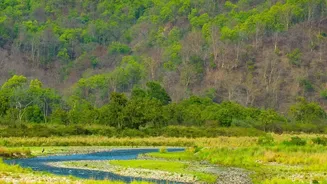
As India's oldest national park, Jim Corbett is a perennial favourite. While some of its buffer zones like Jhirna and Dhela remain open year-round, the core areas including Bijrani and Dhikala typically welcome visitors again from mid-October. Following
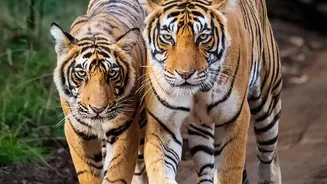
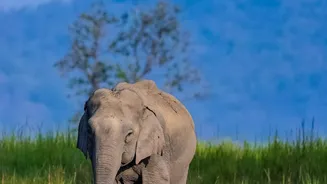
the monsoon, the forest is exceptionally green and dense, and the Kosi River flows at its fullest. This season is ideal for spotting large herds of elephants and diverse birdlife. The park is home to the endangered Royal Bengal tiger, leopards, and Himalayan black bears. Safari bookings for the post-monsoon period are in high demand, so it is crucial to book your permits well in advance through the official government portal to secure a spot.
Ranthambore National Park, Rajasthan
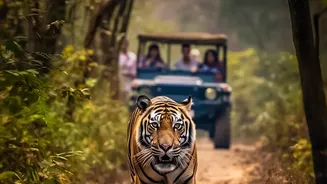
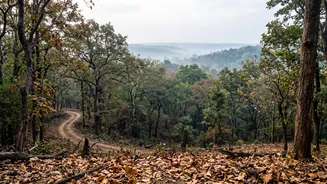
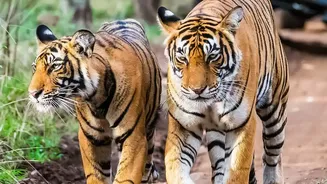
Famous for its confident tigers often seen strolling near safari vehicles, Ranthambore is a top destination for photographers and wildlife enthusiasts. The park officially reopens its core zones (1-5) on October 1st each year, joining the buffer zones (6-10) which remain accessible during the monsoon. The landscape, a dramatic mix of rocky hills, dry forests, and lakes crowned by the historic Ranthambore Fort, is particularly stunning after the rains. October is a prime time for wildlife activity around the park's main water bodies: Padam Talao, Rajbagh Talao, and Malik Talao. Due to its immense popularity, safari seats, whether on a 6-seater Gypsy or a 20-seater Canter, sell out fast. Booking 30 to 60 days ahead is highly recommended.
Kaziranga National Park, Assam
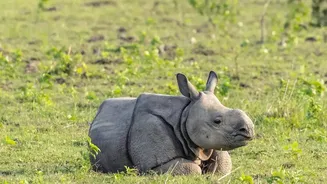
A UNESCO World Heritage Site, Kaziranga is synonymous with the great one-horned rhinoceros. The park officially began its 2026-27 tourist season on October 3, 2026, after its annual closure due to the flooding of the Brahmaputra River. Initially, jeep safaris have resumed in the Central (Kohora) and Western (Bagori) ranges, with other areas opening in phases. The post-monsoon period reveals vast, emerald grasslands and full wetlands, making it an excellent time to see not just rhinos, but also elephants, wild water buffalo, and swamp deer. Tiger sightings have also become more frequent since it was declared a Tiger Reserve in 2006. Elephant safaris are expected to resume in early November.
Bandhavgarh National Park, Madhya Pradesh
If seeing a tiger is your top priority, many guides will point you to Bandhavgarh. This park boasts one of the highest densities of Bengal tigers in India. The core zones of the park reopen to visitors on October 15th. Once the private hunting grounds of the Maharajas of Rewa, its landscape is a mix of forested hills and open meadows, with the ancient Bandhavgarh Fort adding a historical element. After the monsoon, the revived greenery provides a stunning backdrop for spotting tigers, leopards, and various deer species. The autumn season is also a time when young tiger cubs start to explore, offering unique sighting opportunities. As with other popular reserves, advance booking is essential.
Kanha National Park, Madhya Pradesh
The very forest that is said to have inspired Rudyard Kipling's 'The Jungle Book', Kanha National Park is a magical landscape of sal forests, bamboo groves, and expansive grassy meadows. Its core safari zones reopen around October 15th. The park is not only a prime tiger habitat but is also celebrated for its successful conservation of the hardground barasingha, a rare swamp deer species brought back from the brink of extinction. The post-monsoon air is fresh, and the vibrant green scenery alone makes it worth a visit. Herds of gaur, wild dogs, and leopards are other key attractions you might encounter near the replenished water sources.