
A Note on Monsoon Plant Care
Before we introduce the plants, it's crucial to understand the unique challenges of the monsoon. The combination of high humidity, lower light levels, and constant moisture means the number one risk to your indoor plants is overwatering and root rot.
During this season, always check the soil before you water. Stick your finger an inch deep; if it feels damp, wait another day or two. Good drainage is non-negotiable, so ensure your pots have holes and that water isn't collecting in the saucers underneath. Finally, providing good air circulation by opening a window or using a fan can help prevent the fungal issues that thrive in damp, stagnant conditions.
The Unkillable ZZ Plant
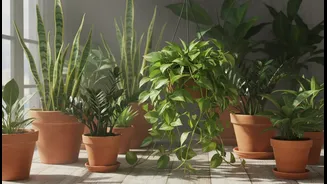
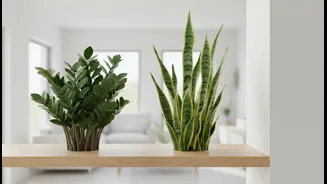
The Zamioculcas zamiifolia, or ZZ Plant, is a champion for beginner plant parents and a star performer during the monsoon. Its glossy, waxy leaves are not just for show; they help the plant retain water, making it exceptionally drought-tolerant. This is a huge advantage in July's humid climate, as it's far more forgiving of being under-watered than over-watered. The ZZ plant also thrives in low-light conditions, making it perfect for brightening up a dim corner of a room that isn't getting much sun due to cloudy skies. Its resilience against neglect and pests makes it a truly worry-free choice.
The Adaptable Pothos (Money Plant)
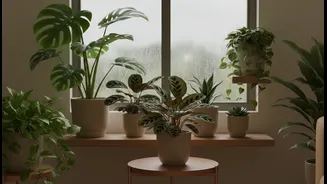
A staple in Indian homes for generations, the Pothos, or Money Plant, is a fast-growing vine that absolutely adores the monsoon season. Its positive reaction to humidity is visible in its lush, rapid growth. Pothos is incredibly versatile, tolerating a wide range of light conditions, from bright indirect light to shadier spots. Its forgiving nature means it can bounce back easily if you forget to water it, though you should be more cautious of overwatering in the damp weather. Its trailing vines can be styled beautifully on shelves or in hanging baskets, bringing a sense of a lush, green canopy indoors.
The Elegant Peace Lily
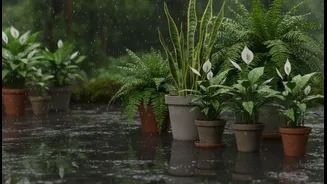
If you want a plant that offers both beautiful foliage and elegant flowers, the Peace Lily (Spathiphyllum) is an excellent choice. It is well-suited to the Indian climate and adapts comfortably to monsoon conditions. Peace Lilies prefer shaded spots and thrive in the high humidity that July brings, which mimics their native rainforest environment. They are also great communicators; the plant will dramatically droop when it's thirsty, taking the guesswork out of watering. This visual cue is especially helpful in preventing root rot during the rainy season. Beyond its beauty, it's also known for its air-purifying qualities.
The Hardy Snake Plant
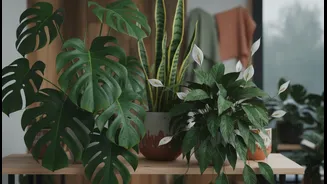
The Snake Plant (Sansevieria) is another near-indestructible option that performs wonderfully indoors during the monsoon. Its architectural, upright leaves add a modern touch to any decor. Like the ZZ Plant, it is a type of succulent that stores water in its leaves, making it highly resistant to rot from excess humidity. It is renowned for its ability to tolerate very low light levels and infrequent watering, a perfect combination for the monsoon months. Furthermore, it is one of the few plants that continues to release oxygen at night, making it an excellent companion for bedrooms.
The Lush and Leafy Ferns
Ferns, such as the Boston Fern, are the quintessential humidity-loving plants. The monsoon season creates an ideal environment for them, as they flourish in moist air and indirect sunlight. Their delicate, feathery fronds can add a soft, natural texture to your living space, combating the gloom of rainy days. To keep them happy, ensure their soil remains consistently moist but never waterlogged. A spot in a bathroom or kitchen, where humidity is naturally higher, can be a perfect home for a fern. Regular misting can also help them thrive, though it’s often unnecessary during the super-humid monsoon.