








Beyond Software: The Real Foundation of AI
When we think of AI, we often picture intelligent chatbots or self-driving cars. But beneath this layer of applications lies a vast and power-hungry physical world. This 'AI infrastructure' is the collection of tangible assets required to train and run
complex algorithms. It includes sprawling data centres, highly specialised semiconductor chips like Graphics Processing Units (GPUs), advanced cooling systems to prevent overheating, and the robust power grids needed to keep everything running 24/7. For investors, this represents a less crowded but equally crucial way to participate in the AI revolution. Instead of betting on which AI model will win, they are investing in the essential, non-negotiable hardware that all models depend on.
Data Centres: The New Digital Real Estate
Data centres are the heart of the AI boom. Think of them as high-tech factories for the digital age, housing thousands of servers that store, process, and disseminate information. The demand for these facilities in India is exploding. India's data centre capacity is projected to more than triple, from 1.6 GW in mid-2026 to 6 GW by 2029, making it Asia's fastest-growing digital infrastructure market. This surge is driven by increasing data consumption, widespread cloud adoption, and government policies promoting data localisation. For investors, this translates into a booming market for digital real estate. Major Indian conglomerates and global tech giants have already committed tens of billions of dollars to build new data centres across the country, particularly in hubs like Mumbai, Chennai, and Hyderabad.
Semiconductors: The Brains of the Operation
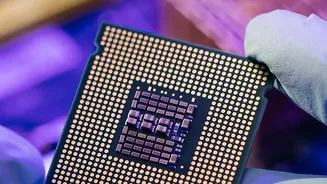
If data centres are the body, semiconductors are the brain. The advanced chips that power AI are at the centre of a global technological race, and India is determined to be a major player. The government's 'Semicon India' programme has spurred massive investment into the sector, with over ₹1.64 lakh crore in approved projects as of September 2026. Major players like Tata Electronics and Micron are setting up fabrication and testing facilities in states like Gujarat and Assam. This push is creating a new investment ecosystem. While direct investment in chip fabrication is capital-intensive, a host of ancillary industries are also benefiting. These include companies that supply specialty chemicals, industrial gases, and the precision equipment needed for chip manufacturing, offering a broader range of opportunities for Indian investors.
Powering the Revolution: Energy and Cooling
A crucial, often overlooked, aspect of AI infrastructure is its immense energy consumption. An AI server rack can require 8 to 10 times more power than a traditional one. This has created a massive opportunity for companies in the power sector. Data centres need uninterrupted, high-quality electricity, driving demand for everything from power generation and transmission to backup generators and advanced electrical equipment. Goldman Sachs recently identified 42 Indian companies as 'AI Enablers', noting that this cohort of infrastructure-related stocks had surged by an average of 60% in 2026, even as the broader Nifty index declined. This group includes power utilities, manufacturers of cooling systems, and makers of electrical components, all of whom are benefiting directly from the data centre construction boom.
How to Invest and What to Watch For
For retail investors, there are several ways to gain exposure to this theme. One can invest in publicly listed companies involved in data centre development, power transmission, and specialty manufacturing. Another route is through mutual funds or Exchange-Traded Funds (ETFs) that focus on technology infrastructure, some of which are accessible to Indian investors. However, the opportunity is not without risks. These are capital-intensive industries sensitive to interest rates and regulatory changes. Valuations for many of these 'AI enabler' stocks are already high, reflecting strong investor optimism. Investors should therefore conduct thorough research, focusing on companies with strong order books, clear revenue visibility from AI-related projects, and sound financial health.