








A New Workout Ritual
In the ever-evolving world of fitness, trends come and go faster than a HIIT session. But some shifts are more than just fleeting fads; they represent a fundamental change in philosophy. The growing preference for whole sprouted ragi bars among India's
urban fitness community is one such movement. From marathon runners in Delhi to CrossFit enthusiasts in Hyderabad, a growing cohort is ditching whey-based, artificially sweetened bars for a snack that feels both modernly scientific and deeply traditional. This isn't just about finding a new source of energy; it's about embracing a smarter, more sustainable approach to nutrition that leverages local ingredients for peak performance.
The Powerhouse Grain: Why Ragi?
So, what's behind ragi's sudden ascent to superfood stardom? For starters, its nutritional profile is exceptional. Ragi, or finger millet, is a gluten-free ancient grain that has been a staple in parts of India for centuries. It's a fantastic source of complex carbohydrates, which provide sustained energy release—perfect for powering through a long workout without the dreaded sugar crash. Unlike simple carbs that cause a quick spike and fall in blood sugar, ragi’s low glycemic index ensures a steady fuel supply. Furthermore, it's packed with dietary fibre, which aids digestion and promotes satiety, helping you feel fuller for longer. It is also a rare plant-based source of calcium, crucial for bone health, and is rich in iron, which helps combat fatigue.
The Magic of Sprouting Explained
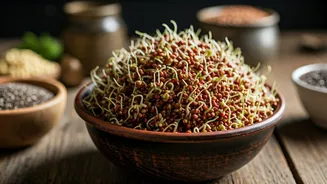
The word 'sprouted' on the packaging isn't just a marketing buzzword; it's the key that unlocks ragi's full potential. Sprouting is the process of germinating seeds, in this case, the ragi grain. When a grain begins to sprout, it undergoes a remarkable transformation. The process breaks down anti-nutrients like phytic acid, which can inhibit the absorption of minerals like iron and zinc. This significantly increases the bioavailability of its nutrients, meaning your body can absorb more of the good stuff. Sprouting also activates enzymes that begin to break down complex starches into simpler, more easily digestible sugars, making the grain gentler on the stomach and enhancing its nutritional value. In essence, a sprouted ragi bar delivers more nutrition per bite than one made from un-sprouted flour.
From Humble Staple to Fitness Fuel
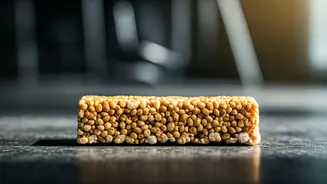
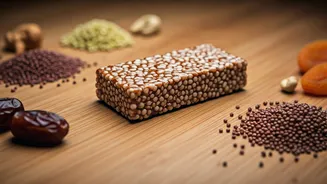
For generations, ragi was often seen as a rustic, rural food, commonly consumed as porridge or rotis. Its current resurgence in urban centres is a fascinating story of cultural and nutritional rediscovery. As health-conscious consumers become more discerning, there's a powerful move away from processed, imported goods towards 'clean label' products that are locally sourced and minimally processed. Ragi fits this narrative perfectly. It's homegrown, sustainable, and comes with a health halo backed by both science and tradition. Fitness brands have been quick to spot this trend, reformulating the humble millet into convenient, tasty, and portable bars that fit seamlessly into a busy, modern lifestyle. It represents a proud reclamation of Indian culinary heritage, repackaged for the 21st-century gym-goer.
Pre-Workout or Post-Workout?
The versatility of a ragi bar is one of its biggest selling points. As a pre-workout snack, its complex carbohydrates provide the slow-burning fuel needed for endurance activities like running, cycling, or a demanding weight-training session. Consuming a bar about 30-60 minutes before exercise can top up your glycogen stores and prevent you from hitting 'the wall'. Post-workout, ragi can also play a role in recovery. While not as protein-dense as a whey isolate bar, many ragi workout bars are fortified with nuts, seeds, or plant-based protein powders. This combination of carbohydrates and protein helps replenish spent energy stores and provides the amino acids necessary to repair and build muscle tissue. It's a balanced choice that supports both energy and recovery.