





Mistake 1: Skipping Moisturiser
When your skin feels greasy and sticky, the last thing you want to do is add more product. This is the biggest and most common monsoon skincare mistake. High humidity tricks you into thinking your skin is hydrated, but it can still be dehydrated underneath.
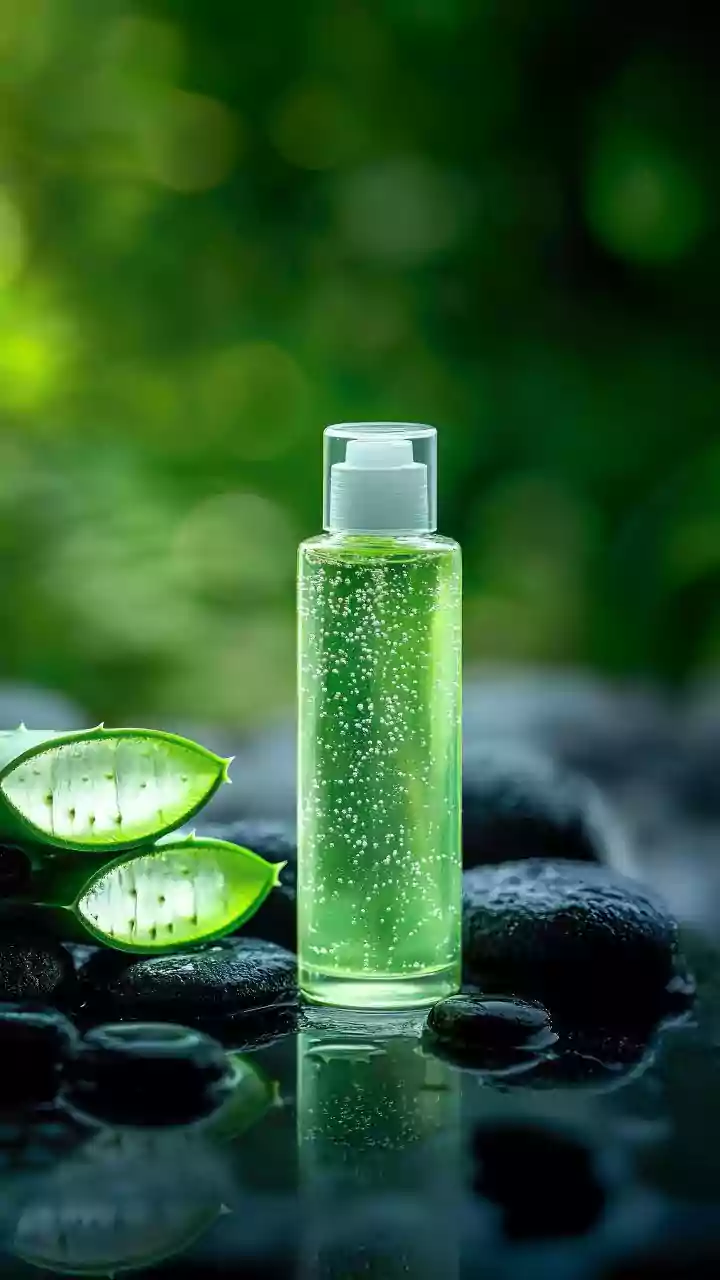
When your skin lacks water, it compensates by producing even more oil, which can lead to clogged pores and more breakouts. The key is not to skip moisturiser, but to switch to the right kind. Opt for a lightweight, gel-based, or water-based moisturiser that is labelled 'non-comedogenic,' meaning it won’t clog your pores. These formulas provide essential hydration without adding extra grease, helping to keep your skin's oil production balanced.
Mistake 2: Forgetting Sunscreen on Cloudy Days
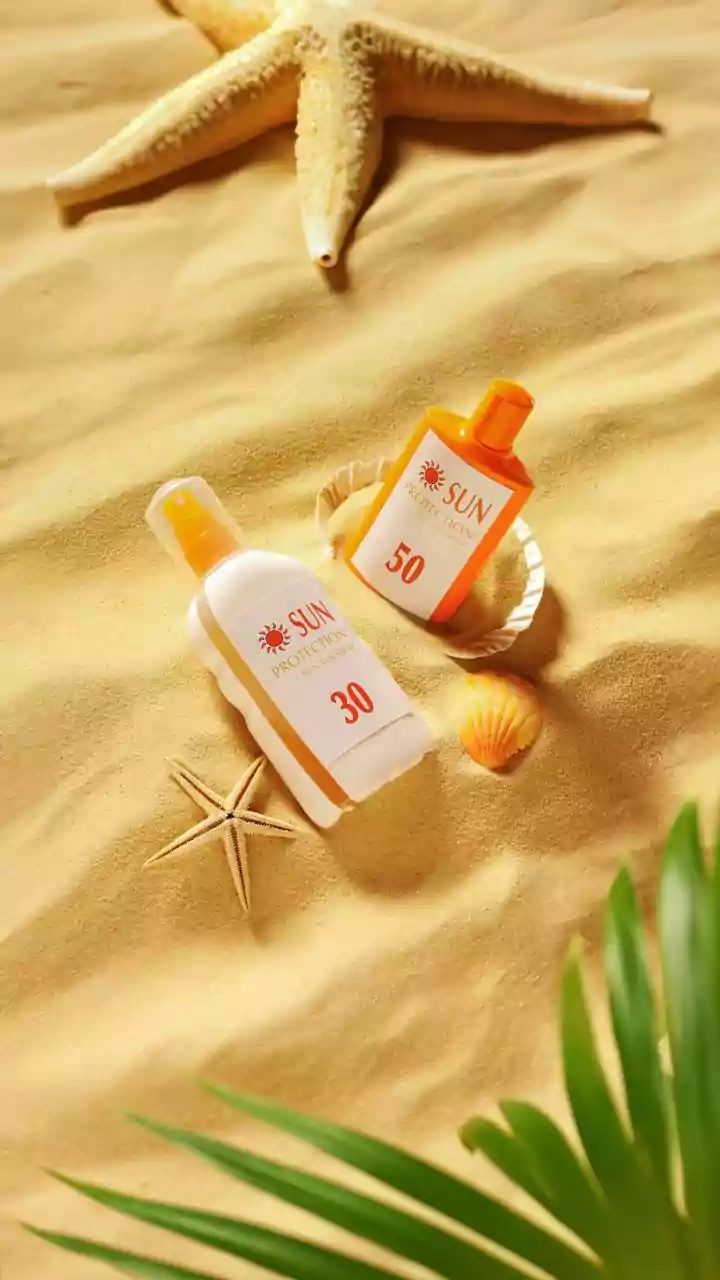
It’s easy to assume that if there’s no sun, there’s no need for sunscreen. However, this is a harmful myth. Up to 80% of the sun's harmful UV rays can penetrate through clouds and rain, causing long-term damage like premature ageing, pigmentation, and tanning. UVA rays, in particular, remain potent on overcast days and are responsible for deeper skin damage. Skipping sunscreen can also make your post-acne marks darker and harder to fade. For the monsoon, choose a lightweight, non-greasy, or gel-based sunscreen with at least SPF 30. A matte-finish formula can also help control the shine that comes with humidity.
Mistake 3: Over-Washing Your Face
The constant feeling of oiliness during the monsoon can tempt you to wash your face multiple times a day. While it might provide temporary relief, over-cleansing strips the skin of its natural oils. This disrupts your skin's protective barrier, signalling it to produce even more oil to compensate, creating a vicious cycle of greasiness and breakouts. Dermatologists recommend sticking to a gentle, pH-balanced cleanser just twice a day. If your skin feels excessively greasy midday, consider using blotting papers to absorb excess oil without stripping the skin.
Mistake 4: Using Heavy, Oil-Based Products
The skincare products that worked wonders in the dry winter air can become problematic during the humid monsoon. Heavy creams, thick lotions, and oil-based serums can feel suffocating on the skin in high humidity. They can sit on the skin's surface, trapping sweat, pollutants, and bacteria, which is a perfect recipe for clogged pores, blackheads, and even fungal acne. During the rainy season, it's best to switch your entire routine to lightweight, breathable formulations. Look for water-based serums, gel moisturisers, and non-comedogenic makeup to allow your skin to breathe.
Mistake 5: Exfoliating Too Much (or Not at All)
Exfoliation is crucial during the monsoon to slough away the dead skin cells that, combined with excess sweat and oil, clog pores. However, it’s a delicate balance. The humidity can make your skin more sensitive, and aggressive scrubbing or overuse of strong chemical exfoliants can damage the skin barrier, leading to irritation and inflammation. Instead of harsh physical scrubs, opt for a gentle chemical exfoliant with ingredients like AHAs or BHAs once or twice a week. This will help keep your pores clear and your skin looking fresh without causing damage.
Mistake 6: Frequently Touching Your Face
This is a simple habit with significant consequences, especially during the monsoon. Warm, humid weather creates an ideal breeding ground for bacteria. Your hands come into contact with countless surfaces throughout the day, picking up dirt and germs. When you touch your face, you transfer all of that directly onto your skin, which is already sticky with sweat and oil. This can easily introduce bacteria into your pores and trigger new breakouts. Making a conscious effort to keep your hands away from your face is a small change that can make a big difference.