




The Ocean's Unpredictable Fever
When we talk about “ocean conditions,” we’re referring to the vital signs of the sea: its temperature, salinity, oxygen levels, and currents. For centuries, these patterns were relatively stable, but climate change is making them increasingly erratic.
The Indian Ocean, for example, has been warming faster than any other ocean in the world. This isn't just an abstract climate statistic; it has profound and direct consequences for marine life. Warmer waters hold less oxygen, and even small temperature shifts can disrupt the entire food web, starting with phytoplankton, the microscopic plants that form its base. A decline in phytoplankton means less food for the fish that depend on it, a trend already observed in the Indian Ocean. These changes, combined with more frequent and intense marine heatwaves, create a stressful and unpredictable environment for fish populations.
When the Fish Start Moving
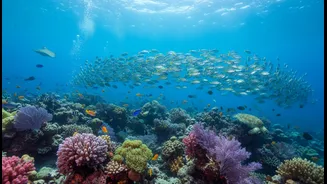
Fish are incredibly sensitive to their environment. Like us seeking shade on a hot day, they seek out their preferred water temperatures. As oceans warm, many species are migrating towards the cooler poles or into deeper waters to survive. This is already happening in Indian waters. Species like the Indian mackerel, a staple catch, are shifting to different depths and latitudes. This redistribution creates immense challenges for fishers, who are forced to travel farther and into more dangerous, unfamiliar waters to find a decent catch, increasing both their costs and risks. It also affects the natural life cycles of fish, altering their spawning seasons and reproductive success, which can lead to dwindling stocks over time. The result is a direct threat to the sustainability of the catch and the economic stability of India's 4 million-strong fisher community.
Introducing Ocean Intelligence
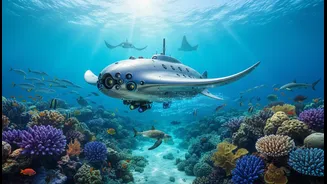
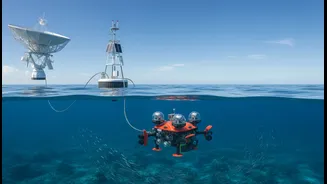
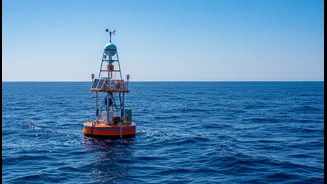
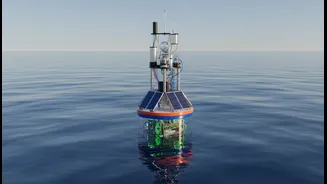
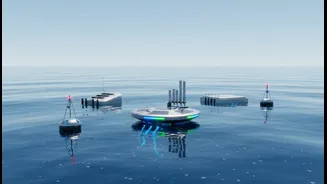
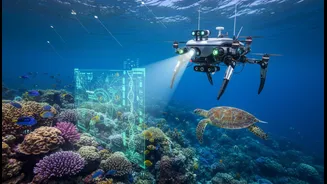
Fortunately, we are no longer navigating blind. A revolution in oceanography and technology allows us to monitor these changes with incredible precision. This is where “ocean intelligence” comes in. By combining data from satellites, autonomous underwater vehicles, and floating sensors, scientists can build a real-time picture of the sea. In India, the Indian National Centre for Ocean Information Services (INCOIS) is at the forefront of this effort. Originally established to identify Potential Fishing Zones (PFZ) using satellite data on ocean colour and temperature, INCOIS now provides a wide range of critical services. These services help translate complex oceanographic data into actionable advice for those who need it most.
From Data to Daily Catch
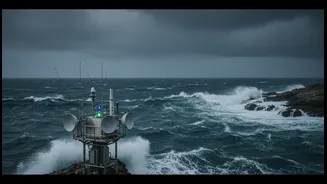
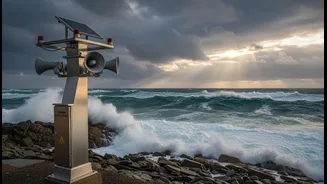
This data isn’t just for scientific papers; it delivers tangible benefits to fishers every day. By identifying PFZs, INCOIS advisories guide fishers to areas where fish are likely to be aggregated, saving them enormous amounts of time and fuel that would otherwise be spent searching. Studies have shown that access to this information can significantly increase the size and value of a catch. Furthermore, services like the SAMUDRA mobile app deliver real-time alerts on wave heights, storm surges, and weather conditions directly to fishers in multiple local languages. This not only improves their economic efficiency but also drastically enhances safety at sea, allowing them to avoid hazardous conditions. Predictive analytics, powered by machine learning, are now taking this a step further, forecasting future hotspots and market trends to help make fishing both more profitable and more sustainable.
The Blueprint for a Sustainable Future
A better understanding of the ocean is the foundation for smarter fisheries management. When regulators know how and why fish populations are shifting, they can design more effective policies. This includes setting sustainable catch limits, protecting critical habitats, and managing cross-border fishing conflicts that arise when fish stocks move. Technologies like Vessel Monitoring Systems (VMS) and on-board electronic monitoring provide transparency, helping to combat illegal and unreported fishing. By integrating real-time oceanographic data into management decisions, authorities can move from a reactive to a proactive approach. This allows for the creation of dynamic management strategies that adapt to the changing climate, ensuring that India’s marine ecosystems remain healthy and productive for generations to come.