

The Hidden Dangers of Damp Strolls
The rainy season in India creates a perfect storm for pet health issues. High humidity, constant dampness, and muddy streets become breeding grounds for bacteria, fungi, and parasites. Every walk can expose your pet to risks that are less prevalent in drier
weather. Stagnant puddles, a common sight during monsoons, can harbour dangerous bacteria like Leptospira, which causes Leptospirosis—a serious illness that can affect both pets and humans. Furthermore, the warm, moist environment is ideal for ticks and fleas to thrive, increasing the risk of tick fever and other parasite-borne diseases.
Decoding the Daily Walk Schedule
Navigating a walk schedule during the monsoon can feel like a strategic operation. Heavy downpours, often occurring in the late afternoon and evening, can disrupt your routine. Many experts suggest that the best approach is to time walks around gaps in the rain. Early morning walks, typically between 6 AM and 8 AM, are often recommended as this period may have lighter showers before heavier rains begin. Planning shorter, more frequent walks of about 15-20 minutes can be more effective than one long, sporadic one. This ensures your pet gets necessary exercise and toilet breaks without prolonged exposure to harsh weather. It's also wise to stay close to home and choose safe, flat routes, avoiding slippery surfaces or areas prone to waterlogging.
The Problem with Paws and Fur
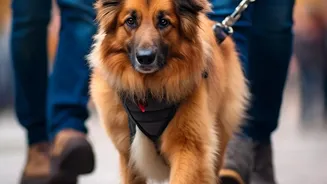
A pet's paws and coat are particularly vulnerable during the monsoon. Persistently damp fur, especially in long-haired breeds, creates an ideal environment for fungal and bacterial skin infections, often leading to painful 'hot spots' or acute moist dermatitis. Paws that remain wet after a walk are susceptible to infections between the toes and pads. Constant moisture can soften the paw pads, making them prone to injury and irritation. This is why post-walk care is just as important as the walk itself. Thoroughly drying your pet is not just about comfort; it's a primary defence against common monsoon ailments.
Essential Post-Walk Rituals
A consistent post-walk routine is your best defence against monsoon-related health issues. The moment you return home, your first task should be to clean and dry your pet. Use a clean, absorbent towel, paying special attention to paws, underarms, the belly, and ears—areas where moisture tends to collect. For muddy paws, a gentle rinse with lukewarm water or the use of a pet-safe paw cleanser can remove dirt and potential germs. For pets with thick coats, a blow dryer on a cool, low setting can help ensure they are completely dry, preventing the growth of fungus and bacteria. Regularly check for ticks and fleas, as they are more prevalent during this season.
Gearing Up for Rainy Days
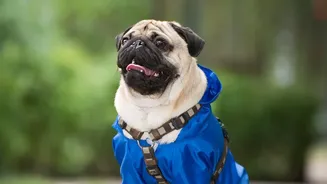
Investing in the right gear can make monsoon walks safer and more comfortable for both you and your pet. A well-fitting waterproof raincoat can protect your dog's coat from getting soaked, significantly reducing drying time and the risk of skin issues. For paw protection, waterproof dog booties can be a game-changer, shielding paws from muddy water, hidden debris, and bacteria. If your dog isn't comfortable with booties, applying a paw balm before a walk can create a protective barrier. Additionally, using a leash and harness with a good grip is important for maintaining control on slippery surfaces.