







What Exactly Is Mobility?
Think of mobility as your body's ability to actively control its joints through their full range of motion. It’s often confused with flexibility, but there's a key difference. Flexibility is passive—it's how far a muscle can be stretched, like when you pull
your foot towards your glute for a quad stretch. Mobility, on the other hand, is active. It combines flexibility with strength and control. Imagine lifting your leg straight out in front of you and holding it there without using your hands. That's mobility in action. It’s about owning your movement and having strong, stable, and fluid joints, not just limber muscles. A person can be very flexible but have poor mobility if they lack the strength to control their movement at the end ranges.
Why the Sudden Hype?
The shift towards mobility isn't random; it's a direct response to modern life and the limitations of older fitness models. Firstly, there's a growing awareness of longevity. More people are realising that being strong is great, but being strong and pain-free at 60 is even better. The “go big or go home” culture of the past often led to injuries, burnout, and chronic pain. Mobility offers a way to build a resilient body that lasts. Secondly, our sedentary lifestyles are taking a toll. Hours spent hunched over laptops and phones lead to tight hips, rounded shoulders, and a stiff lower back. Mobility drills directly counteract this, helping to 'un-do' the damage of sitting all day. Finally, influencers and modern trainers are championing functional fitness—training for real-life movements, not just for aesthetics or a one-rep max. Mobility is the foundation of moving well, making it a cornerstone of this smarter approach.
The Real-World Benefits
Incorporating mobility work isn't just about feeling good; it delivers tangible results. The most significant benefit is injury prevention. When your joints can move through their intended range without restriction, you're less likely to compensate with other muscles, which is a common cause of strains and sprains. It also directly improves your performance in other activities. Better hip mobility can lead to a deeper, stronger squat. Improved shoulder mobility can enhance your cricket bowl or overhead press. By unlocking your body's natural movement patterns, you allow your muscles to work more efficiently, often leading to gains in strength and power. Beyond the gym, you'll notice less stiffness when you wake up, better posture throughout the day, and an overall feeling of ease in your own body.
It’s Not a Replacement, It’s a Partner
The rise of mobility training doesn't mean you have to abandon your deadlifts and bench presses. In fact, it's the opposite. Mobility work is the ultimate partner to strength training. Think of it as essential maintenance for your body. You wouldn't drive a high-performance car without ever checking the oil or rotating the tyres. Similarly, mobility work prepares your joints and tissues for the demands of heavy lifting. By performing mobility drills as part of your warm-up, you prime your body to move correctly and safely. This ensures that when you do lift heavy, you're using the right muscles and not putting undue stress on your ligaments and tendons. It makes your strength training more effective and much safer in the long run.
Simple Mobility Drills to Start Today
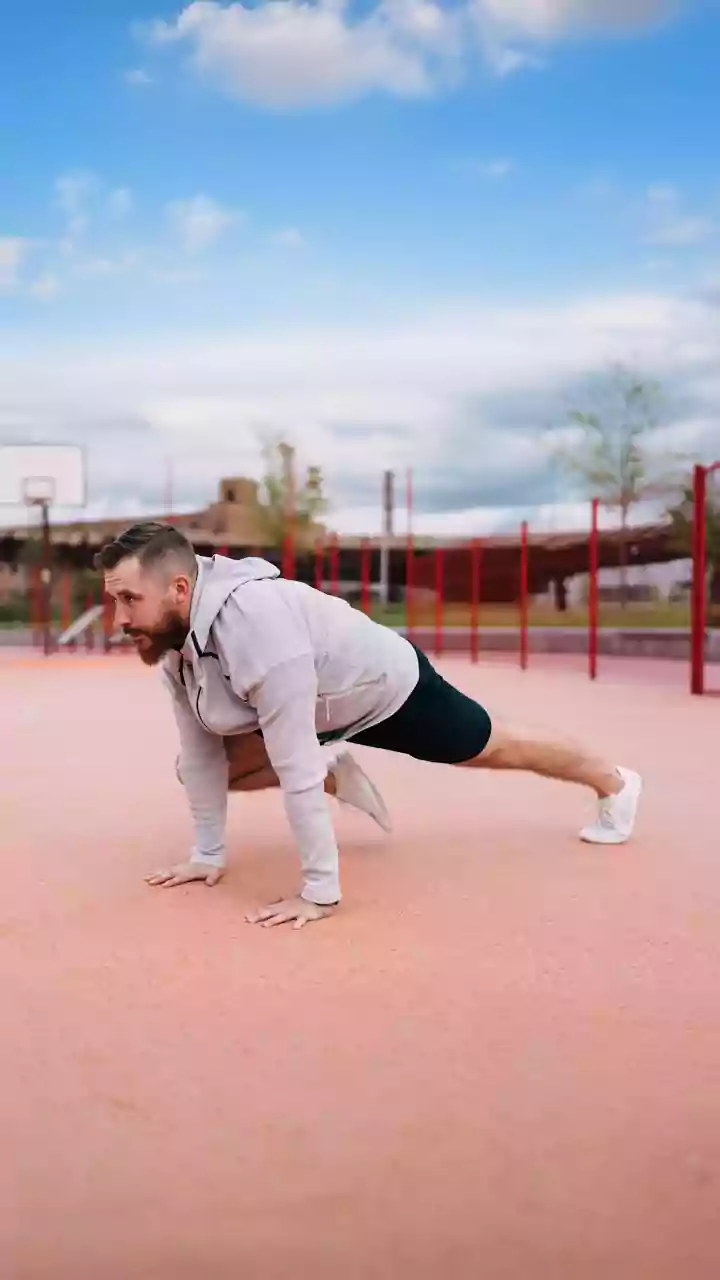
The best part about mobility is that you don't need any fancy equipment. You can start with just a few minutes a day. Try these simple movements: 1. **Cat-Cow:** On your hands and knees, inhale as you drop your belly and look up (Cow). Then, exhale as you round your spine, tucking your chin to your chest (Cat). This is fantastic for spinal mobility. 2. **Thoracic Spine Rotations:** Start on all fours. Place one hand behind your head. Rotate that elbow down towards the opposite wrist, then open it up towards the ceiling, following with your eyes. This helps un-stick your upper back. 3. **Hip CARs (Controlled Articular Rotations):** Standing and holding onto a wall for balance, slowly lift one knee up, then circle it out to the side, back, and down again, as if drawing a large circle with your knee. Move slowly and with control to explore your hip's full range of motion. Repeat on the other side.