
Taste: Sweet vs. Nutty
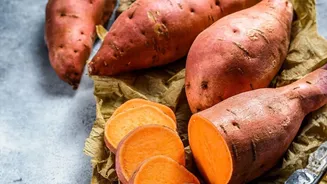
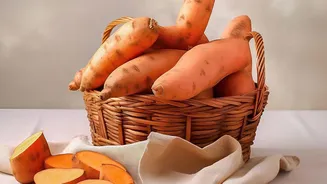
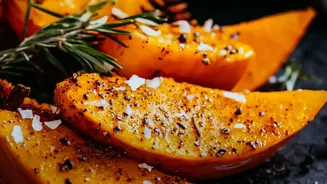
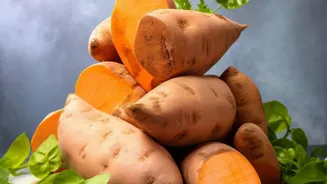
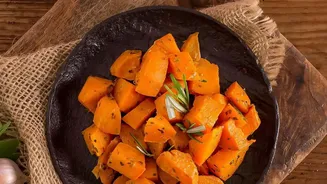
The most immediate difference is flavour. Sweet potatoes live up to their name with a pronounced, sugary sweetness and earthy undertones. When roasted, their sugars caramelise deeply, making them a natural choice for both savoury and sweet dishes. Butternut
squash, while also sweet, has a milder, nuttier, and more vegetal flavour profile. Its sweetness is less intense, which allows it to pair well with a wider range of savoury herbs and spices without overpowering them.
Texture: Starchy vs. Silky
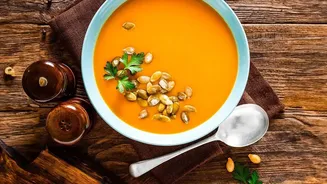
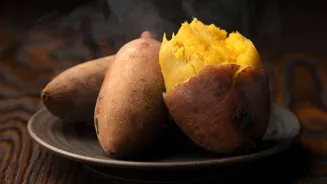
Texture is where these two diverge significantly. Sweet potatoes are dense and starchy, similar to a regular potato. When cooked, their flesh becomes fluffy and creamy, but it holds its structure well, especially when roasted or fried. Butternut squash has a higher water content, making its flesh more fibrous and lighter. This moisture causes it to break down more easily, resulting in a silkier, smoother, and more velvety texture when puréed, which is why it is a classic choice for creamy soups.
Nutritional Differences
Both are nutritional powerhouses, rich in vitamins and fiber. However, butternut squash contains significantly fewer calories and carbohydrates per serving. A cup of cooked butternut squash has about half the calories and carbs of the same amount of sweet potato. On the other hand, sweet potatoes pack more protein, fiber, and certain minerals like potassium. Neither is inherently 'healthier'; the better choice depends on your personal dietary goals. Butternut squash offers more volume for fewer calories, while sweet potato provides more satiating energy.
Best For Sweet Potato
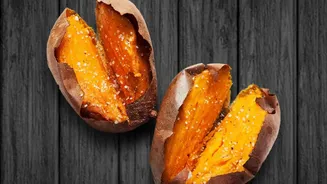
The starchy, dense nature of sweet potatoes makes them ideal for recipes where structure is key. Think of crispy baked or air-fried sweet potato fries, which hold their shape and develop a crunchy exterior. They are perfect for baking whole, creating a fluffy interior ready for toppings. Their dense texture also makes for a hearty, substantial mash. They work well in casseroles and gratins where you want distinct layers that do not turn to mush.
Best For Butternut Squash
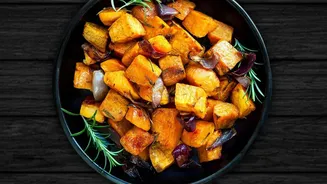
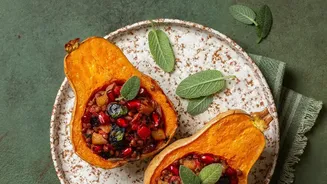
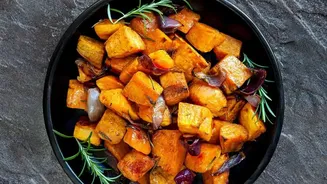
Butternut squash excels where a smooth, silky texture is desired. It is the undisputed champion for creamy, velvety soups and smooth purées. When roasted in cubes, it becomes tender and caramelised, making it a perfect addition to salads, pasta dishes, and risottos. Because its flavour is milder, it readily absorbs the taste of other ingredients, making it a versatile team player in curries, stews, and skillet meals. It can also be stuffed and baked, with its hollowed-out seed cavity providing a natural bowl.
Can You Substitute One for the Other?
The answer is a definite 'sometimes'. In blended soups, mashes, or as a puree in baked goods, they can often be swapped, though the final dish's sweetness and thickness will change. Using sweet potato in a soup will make it thicker and sweeter, while using butternut squash will make it lighter. For recipes like fries, it is best to stick with sweet potato, as the high moisture in butternut squash prevents it from getting truly crispy. When roasting, you can use them together, but be aware that sweet potato can cook a little faster due to its different density.