

The Grain Renaissance in Indian Bakeries
Not long ago, the bakery experience in India was dominated by soft, white bread and Maida-based cakes. Today, a quiet revolution is underway in the nation's artisanal bakeries. A new generation of bakers is looking back to our roots, rediscovering the potential
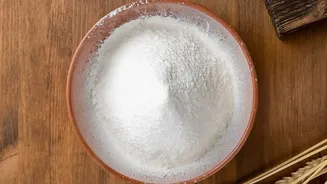
of ancient grains that sustained generations. Millets like ragi, jowar, and bajra, once considered humble staples, are now the star ingredients in gourmet breads, cookies, cakes, and even focaccia. This shift is more than just a passing trend; it's a response to a growing consumer desire for foods that are both indulgent and nourishing, modern in form but traditional in spirit.
Why Millets, and Why Now?
Several factors are driving this millet revival. Health awareness is a major catalyst. Consumers are increasingly wary of refined flour and sugar, seeking alternatives that are high in fibre, protein, and essential minerals. Millets, being naturally gluten-free, also cater to a growing demand for wheat alternatives. The push for sustainability is another key driver. Millets are climate-resilient crops, requiring significantly less water than rice and wheat, making them an eco-conscious choice. Furthermore, government initiatives and the UN's declaration of 2023 as the 'International Year of Millets' have significantly boosted awareness, encouraging both farmers and food businesses to embrace these 'super grains'.
Meet the Millet All-Stars of Baking
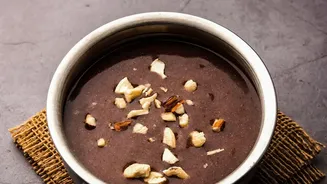
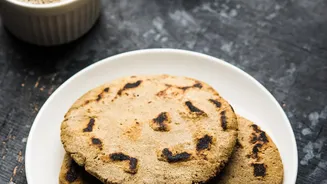
Artisanal bakers are creatively incorporating a variety of millets, each bringing its unique character to the finished product. Ragi (finger millet), known for its high calcium content, lends a deep, chocolatey colour and a rich, earthy flavour to brownies and cakes. Jowar (sorghum) has a mild, nutty taste and produces a lighter texture, making it ideal for gluten-free breads, crackers, and soft flatbreads. Bajra (pearl millet) is known for its bold, rustic, and slightly smoky flavour, which shines in hearty cookies, tarts, and traditional bhakris. Bakers are using these grains not just as substitutes, but as flavour-makers in their own right.
From Grain to Gourmet Creation
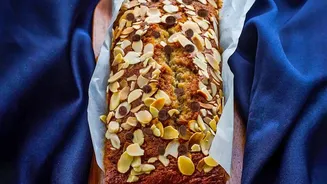
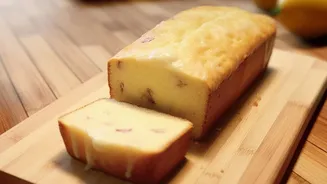
The innovation on display is impressive. In cities like Bengaluru and New Delhi, bakeries are crafting everything from millet sourdough loaves and multigrain-seed breads to ragi carrot cakes and even bajra chocolate truffle cakes. You might find millet cupcakes, brownies sweetened with jaggery, or savoury focaccia made with a blend of millet and whole wheat flours. These creations prove that healthy baking doesn't have to be bland. The results are often surprisingly rich and satisfying, with complex textures and nutty undertones that refined flour simply cannot replicate.
The Artisan's Skill and Challenge
Baking with millets is not a simple one-to-one substitution for wheat flour. These grains lack gluten, the protein that gives conventional bread its elasticity and rise. This is where the 'artisanal' aspect truly comes into play. Bakers must experiment extensively with hydration levels, fermentation times, and flour blends to achieve the right texture and crumb. They often combine millet flour with other gluten-free flours or binding agents like psyllium husk to achieve the desired structure. This technical challenge is also a creative opportunity, pushing bakers to develop new techniques and recipes that showcase the unique properties of each grain. One baker noted it took him 96 attempts to perfect a gluten-free millet cookie.