
1. Jungfraujoch – Top of Europe
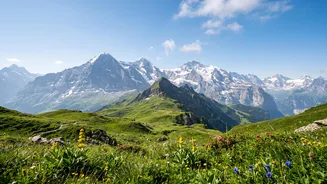
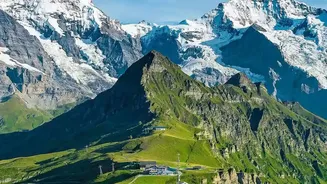
Known as the 'Top of Europe', the Jungfraujoch is home to the continent's highest railway station at 3,454 meters. This engineering marvel offers breathtaking views of the Aletsch Glacier, a UNESCO World Heritage site, and surrounding peaks. Its popularity
is immense, attracting over a million visitors annually in recent years. The journey itself, via cogwheel train through the Eiger and Mönch mountains, is a significant part of the draw. However, this popularity means you'll be sharing the experience with many others. During the peak summer months of July and August and the winter ski season, trains and viewing platforms become extremely congested. To manage the crowds, it's highly recommended to book your train tickets well in advance, especially for the first train of the day. An early start, aiming to be on one of the first departures around 7:00 AM, can help you avoid the major rush that builds from 10:00 AM onwards.
2. Zermatt and the Matterhorn
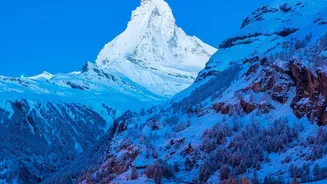
The iconic, pyramid-shaped Matterhorn puts the car-free village of Zermatt on nearly every traveler's list. This quintessential Alpine resort is a hub for hiking, skiing, and mountaineering. The two peak seasons are winter (January to March) for skiing and summer (July and August) for hiking. During these times, the village can feel bustling, and the cable cars to key viewpoints like the Matterhorn Glacier Paradise and Gornergrat are often packed. The main street, Bahnhofstrasse, is lively with visitors exploring its shops and restaurants. To find a quieter experience, consider visiting during the shoulder seasons of June or September. If you do travel during peak months, try to catch the first lifts in the morning, as crowds tend to swell after 9:30 AM. Venturing onto hiking trails that are slightly away from the main cable car stations can also offer more solitude.
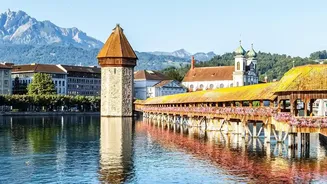
3. Lucerne's Chapel Bridge
As Europe's oldest covered wooden bridge, the Chapel Bridge (Kapellbrücke) is the postcard image of Lucerne and one of Switzerland's most photographed landmarks. Its historical significance, combined with the beautiful 17th-century paintings under its roof and its location in the heart of the charming old town, makes it a magnet for tourists. Because it's a free and open public walkway, it can become extremely congested, especially during midday in the summer. Tour groups often cross in large numbers, making it difficult to pause and appreciate the structure. To enjoy a more peaceful crossing, plan your visit for early in the morning or later in the evening. The bridge is beautifully illuminated at night, offering a different, often less crowded, perspective.
4. Interlaken
Interlaken's name translates to 'between lakes', and its location between Lake Thun and Lake Brienz makes it a strategic hub for exploring the entire Bernese Oberland region. It serves as the primary gateway for excursions to Jungfraujoch and the surrounding valleys, which means it experiences significant foot and vehicle traffic. While incredibly convenient for transport connections, the town itself can feel very commercial and crowded, particularly in the summer. The main thoroughfare is often busy with tour buses and visitors. Many travelers use Interlaken strictly as a base due to its practicality but find the true alpine charm in smaller, higher-altitude villages like Wengen or Mürren. If you stay in Interlaken, using the Interlaken Ost station provides direct access to the mountain trains heading towards Lauterbrunnen and Grindelwald.
5. Grindelwald-First
Marketed as the 'Top of Adventure', Grindelwald-First is a mountain destination known for thrilling activities like the First Flyer zip line, mountain carts, and the famous First Cliff Walk by Tissot. It's easily accessible via a gondola from Grindelwald village. The combination of adventure and stunning views of the Eiger's north face makes it extremely popular, especially with families and thrill-seekers. During the peak summer months of July and August, queues for the gondola can be over an hour long during midday, and there are often waits for the activities themselves. The best strategy is to arrive early and catch the first gondola, which usually departs around 8:00 AM. This allows you to experience the Cliff Walk and other attractions before the main crowds arrive around 10:00 AM.
Geneva's Lakefront
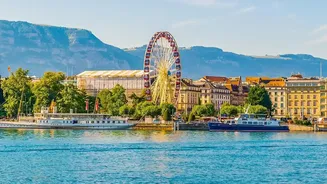
The shores of Lake Geneva are a focal point of city life, especially during the warm summer months from June to August. This is when the city's public beaches, like the Bains des Pâquis, and lakeside promenades are at their busiest with both locals and tourists swimming, sunbathing, and relaxing. Major events like the Fête de la Musique in June and the Bol d'Or sailing race can draw significant crowds to the waterfront. While lively and atmospheric, those seeking a quieter experience might prefer visiting in May or September when the weather is still pleasant but with fewer people. For those visiting during the summer peak, the quietest time to stroll the lakefront is typically very early in the morning, around 6 AM.