



Why We're Looking Up Again
For generations, city dwellers have been disconnected from the night sky. The relentless glow of urban life, known as light pollution, has washed out all but the brightest stars and planets. But now, a growing number of Indians are actively seeking a remedy.
This isn't just about astronomy; it's a form of wellness and a digital detox. In a world of constant notifications and screen time, the simple, profound act of looking at the cosmos offers a rare chance to disconnect from technology and reconnect with something vast, ancient, and real. The pandemic also shifted travel priorities, popularising domestic, experience-led journeys. Astro-tourism, which combines travel with stargazing, fits this new mindset perfectly. It's an adventure that offers perspective, peace, and a powerful reminder of our place in the universe.
What You Need: Less Than You Think
The idea of stargazing can seem intimidating, conjuring images of complex charts and expensive equipment. But the barrier to entry is surprisingly low. The most crucial ingredient is a dark sky, far from city lights. For your first few adventures, your own eyes are your best tool. As you lie back and let your vision adjust (it can take up to 20 minutes), the sheer number of visible stars will be breathtaking. To go a step further, a decent pair of binoculars can reveal craters on the moon, Jupiter's largest moons, and the fuzzy glow of distant nebulae. For identifying constellations and planets, smartphone apps like Star Walk or SkyView are fantastic guides. They use your phone's GPS and compass to create an augmented-reality map of the sky above you. A comfortable blanket and a warm flask of chai complete the essential kit.
Himalayan Havens: The Ultimate Sky Decks
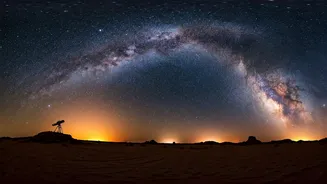
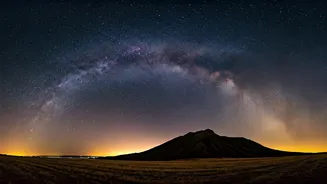
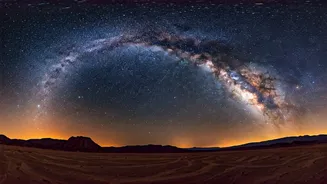
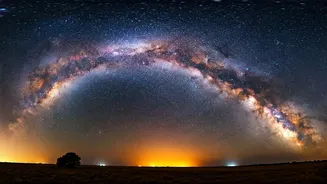
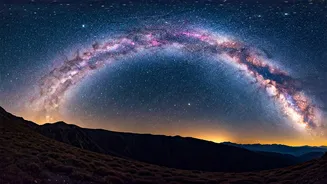
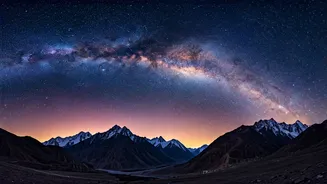
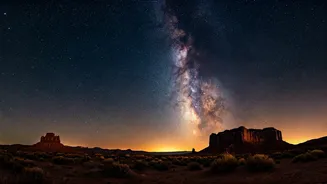
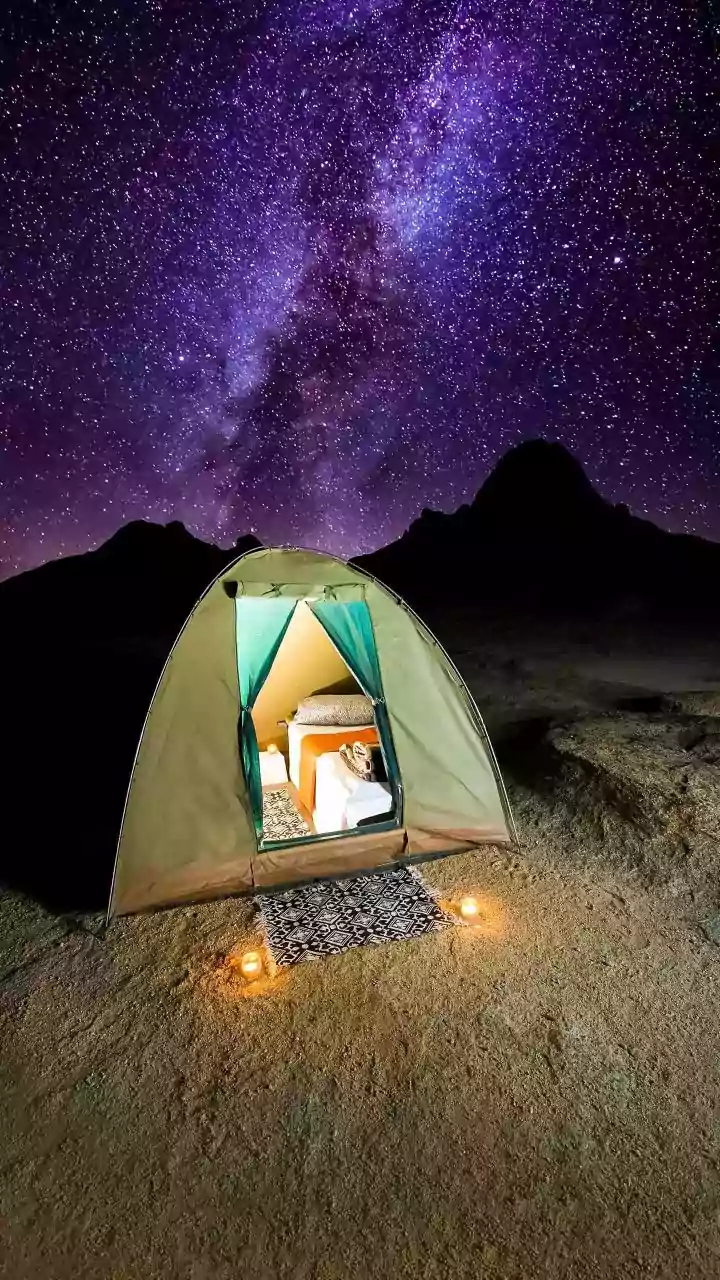
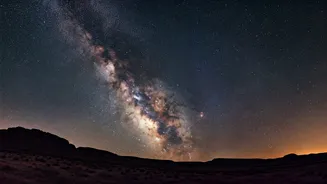
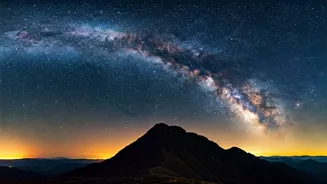
When it comes to pristine skies, altitude is your friend. The thin, dry air of the Himalayas offers some of the best stargazing opportunities on the planet. Ladakh is the undisputed king. Its high-altitude deserts and minimal light pollution create an astronomer's paradise. It's no wonder India's first Dark Sky Reserve has been established in Hanle, Ladakh. Here, the Milky Way isn't a faint smudge; it's a brilliant, textured river of light stretching across the sky. Similarly, the remote valleys of Spiti and parts of Uttarakhand and Himachal Pradesh provide breathtaking celestial theatres. Many homestays and guesthouses in these regions are now catering to astro-tourists, offering basic amenities and priceless views.
Deserts and Plains: Wide Open Vistas
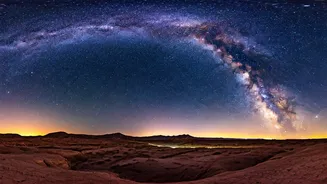
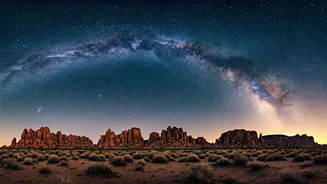
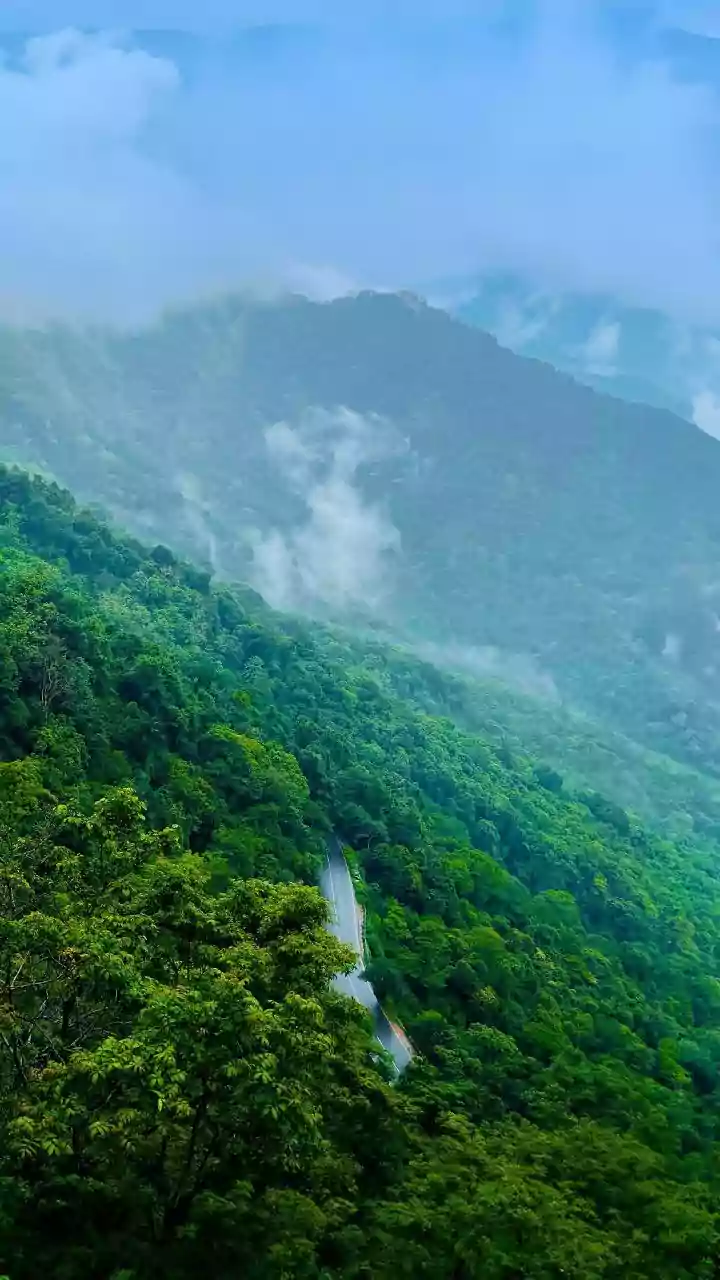
You don't have to climb a mountain to see the stars. India's vast plains and deserts offer their own unique magic. The Rann of Kutch in Gujarat transforms into a surreal landscape under a star-dusted sky, especially during the Rann Utsav. The flat, white salt desert provides an unobstructed 360-degree view of the heavens, making you feel like you're standing on another planet. Similarly, the deserts of Rajasthan, near Jaisalmer or Pushkar, offer incredible clarity once you get away from the towns. Even closer to urban centres, places like Coorg in Karnataka or protected forest reserves across the country can offer surprisingly dark skies if you know where to look. The key is to find a spot with a low horizon and minimal artificial light.
Finding Your Astro-Tribe
Going it alone is magical, but joining a guided experience can elevate your celestial adventure. A new ecosystem of astro-tourism companies and entrepreneurs is making it easier than ever. Organisations like Starscapes are setting up observatories in tourist-friendly locations like Kasauli, Bhimtal, and Coorg, offering guided sessions with powerful telescopes. These sessions are led by experts who can point out constellations, explain the science behind what you're seeing, and share ancient sky lore. Many amateur astronomy clubs in major cities also organise regular star parties in nearby dark-sky locations. These events are a great way to learn from experienced stargazers and share the sense of wonder with a community of like-minded people.