



The Protein Puzzle for Muscle Repair
Protein is essential for everyone, but it becomes even more critical when you're active and looking to build or maintain muscle. Exercise, especially strength training, creates tiny micro-tears in your muscle fibres. Your body repairs this damage by synthesising
new muscle protein, a process that makes your muscles stronger and larger over time. The raw materials for this repair job are amino acids, which are the building blocks of protein. There are 20 amino acids, nine of which are considered 'essential' because your body cannot produce them. You must get these nine essential amino acids from the food you eat. For muscle protein synthesis to happen efficiently, all nine must be available.
Understanding 'Complete' and 'Incomplete' Protein
This is where the terms 'complete' and 'incomplete' protein come in. A food source is called a complete protein if it contains all nine essential amino acids in sufficient amounts. Most animal-based foods like dairy and eggs fall into this category. On the other hand, most plant-based foods are considered 'incomplete' because they are low in one or more of these essential amino acids. But this isn't a problem. It just means you need to be a little smarter about how you combine your foods. Some plant-based foods like soy, quinoa, and buckwheat are exceptions and are complete proteins on their own.
The Power of Protein Complementation
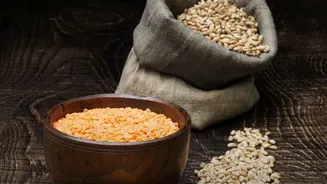
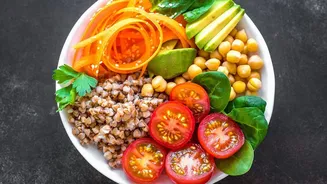
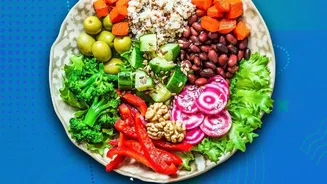
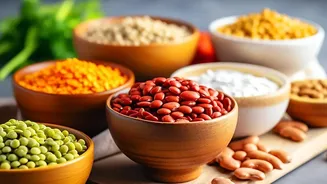
The magic of a vegetarian diet lies in protein complementation. This is the strategy of combining two or more incomplete protein sources to create a complete amino acid profile. Whole grains (like rice, wheat, and oats) and legumes (like dal, chickpeas, and beans) are a perfect example of this. Grains are typically low in the essential amino acid lysine but contain ample amounts of methionine. Legumes are the exact opposite: they are rich in lysine but low in methionine. When you eat them together, they perfectly complement each other's amino acid shortfalls, providing your body with all the necessary building blocks for muscle repair.
Smart Pairings on Your Plate
The best part is that Indian cuisine has been mastering this nutritional strategy for centuries. Many of our most beloved comfort foods are, in fact, scientifically sound complete protein meals. Think of classics like rajma-chawal, where kidney beans (legume) are paired with rice (grain). Another staple, dal with roti, combines lentils with wheat. South Indian favourites like idli and dosa are made from a fermented batter of rice and urad dal. Khichdi, a one-pot meal of rice and moong dal, is another perfect example of protein complementation in action. These combinations ensure that your muscles receive a full spectrum of amino acids to recover and grow stronger after a workout.
Timing and Daily Intake
A common misconception is that you must eat these complementary proteins in the exact same meal for the benefits to count. Fortunately, your body is smarter than that. It maintains a pool of amino acids throughout the day. As long as you consume a variety of grains, legumes, nuts, and seeds over the course of a day, your body can pull what it needs to initiate muscle repair. However, for optimal recovery, consuming a protein-rich meal or snack within a couple of hours after your workout can be beneficial, as this is when muscle protein synthesis is most active. Focusing on a balanced diet with a variety of plant foods will ensure you are not only getting complete proteins but also a host of other vital nutrients for overall health.