








Beyond Just Potted Plants
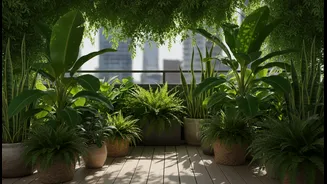
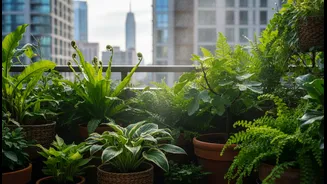
Forget the image of a few lonely pots. A cooling garden is a thoughtfully designed ecosystem on your rooftop. It integrates layers of vegetation, shade-providing structures like pergolas, and sometimes even small water features to create a microclimate.
The core idea is to move beyond decoration and create a living system that actively lowers the temperature of your home. By covering the bare concrete that typically absorbs and radiates intense heat, these gardens serve as a natural shield. This involves using a mix of creepers, hardy shrubs, and even small trees in lightweight containers to create a dense green canopy that provides shade and insulation.
The Simple Science of Cool
The magic behind cooling gardens lies in two simple natural processes: shading and evapotranspiration. The dense foliage physically blocks sunlight from hitting the concrete roof surface, which can reduce surface temperatures significantly. But the real cooling power comes from evapotranspiration—the process where plants release water vapor into the air as they breathe. This acts like a natural air conditioner, lowering the ambient temperature of the terrace. Studies and anecdotal evidence from across Indian cities show that a well-established terrace garden can lower the temperature in the rooms directly below by several degrees, reducing the reliance on air conditioning and cutting electricity bills.
An Answer to Urban Heat
The rise of cooling gardens is a direct response to the growing 'urban heat island' effect in Indian cities. As cities expand, concrete and asphalt replace natural green cover, trapping heat and making urban areas significantly warmer than their rural surroundings. This is especially noticeable at night, when buildings release the heat absorbed during the day. A terrace garden helps combat this on a personal scale. It creates a vital green lung that purifies the air, provides a habitat for birds and pollinators, and offers a much-needed psychological escape—a patch of nature above the city's chaos.
Embracing the Monsoon
Traditionally, the heavy downpour makes terraces unusable. But a cooling garden flips this narrative. The monsoon is when these spaces truly come alive. The rain provides natural irrigation, making the foliage incredibly lush and vibrant. The air is naturally cooler, and the sound of rain on leaves creates a serene atmosphere. With the simple addition of a waterproof canopy or a covered seating area, the terrace transforms into the perfect spot to enjoy the monsoon with a cup of chai. It's no longer a space to be avoided but a prime location for relaxation, reading, or socialising, protected from the rain yet fully immersed in the season's beauty. This fundamentally reshapes how families interact with their homes during these months.
How to Create Your Own Monsoon Haven
Starting a cooling garden is more accessible than it seems. The first crucial step is ensuring your terrace has proper waterproofing to prevent leakages. Begin small with lightweight grow bags or recycled containers to manage the roof's load-bearing capacity. For the monsoon, choose plants that thrive in the Indian climate, such as hibiscus, frangipani, and hardy creepers, alongside herbs like mint and tulsi. You can also grow vegetables like chillies and tomatoes. Grouping plants with similar water needs and ensuring good drainage are key to preventing waterlogging during heavy rains. With a bit of planning, you can cultivate your own cool, green retreat.