




The Sweet Rise of Protein Treats
Walk down any supermarket aisle and you'll notice that protein is being added to everything from chips to coffee. The dessert section is no exception. Protein ice cream, cookies, puddings, and brownies are becoming mainstream, driven by a new generation
of health-conscious consumers. In India, this trend is rapidly growing, especially in urban areas where fitness culture and nutritional awareness are on the rise. People are looking for ways to indulge that align with their wellness goals, and food companies are responding with treats that promise both pleasure and functional benefits.
What Makes a Dessert 'High-Protein'?
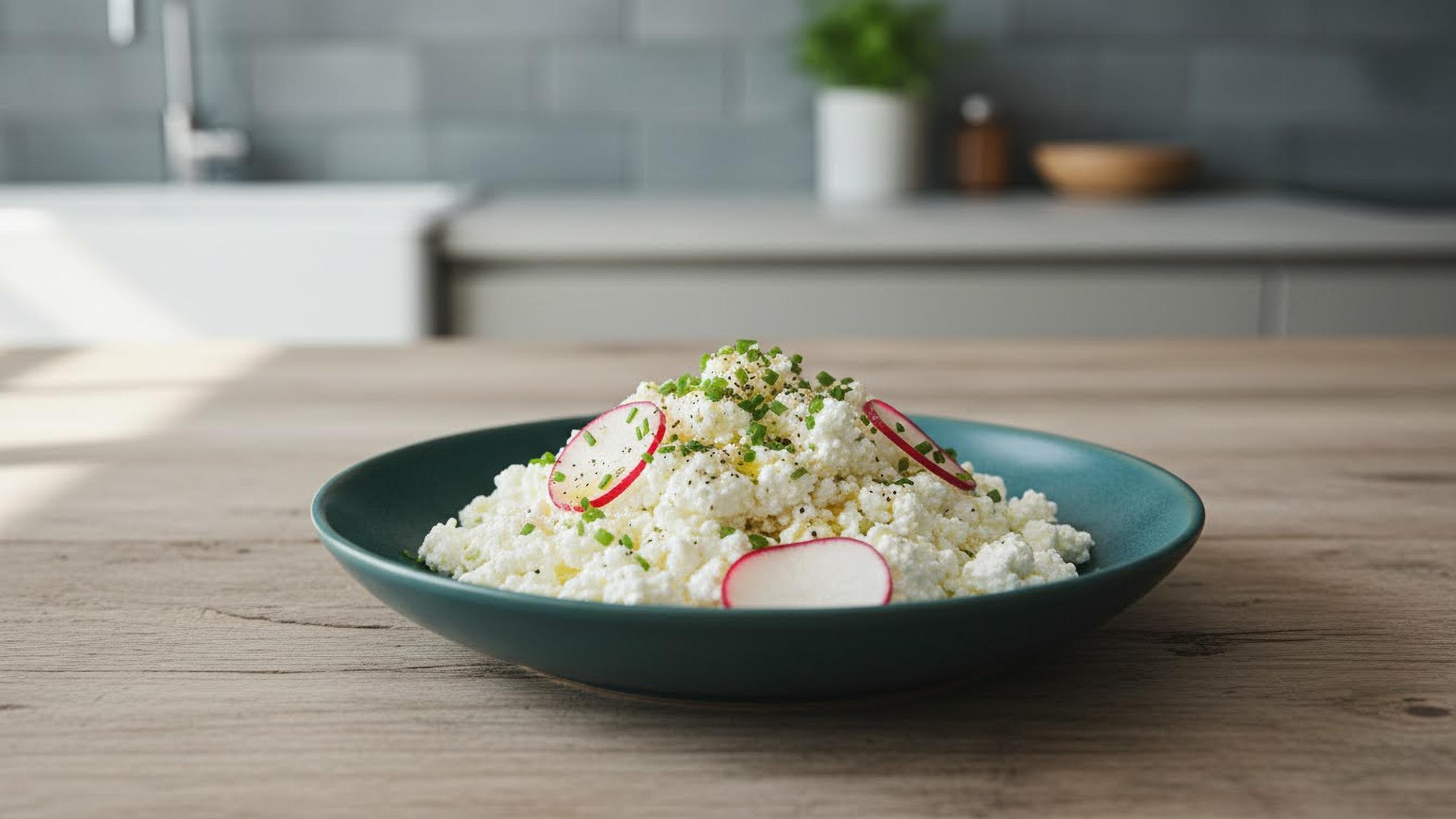
A high-protein dessert is one formulated to have a higher protein content than its traditional counterpart, often with less sugar. The protein boost comes from various sources. Many commercial products use whey, casein, or plant-based protein powders. However, a wide range of whole-food ingredients can also be used, especially in homemade versions. Think Greek yogurt, cottage cheese (or paneer), nuts, seeds, almond flour, and even legumes like chickpeas. These ingredients not only add protein but can also provide fibre and other essential nutrients.
The Nutritional Upside of Indulgence
The primary benefit of adding protein to a dessert is its effect on satiety. Protein is the most filling macronutrient, which means a protein-rich treat can curb cravings and keep you feeling full for longer. This can help manage appetite and reduce the chances of overeating later. Furthermore, protein helps stabilize blood sugar levels by slowing the absorption of sugar, preventing the sharp spikes and subsequent crashes associated with typical sugary desserts. For active individuals, a protein-packed dessert can also contribute to muscle repair and growth.
The 'Health Halo' and Hidden Downsides
While beneficial, the word 'protein' on a package doesn't automatically make a dessert healthy. Experts caution against the 'health halo' effect, where a food is perceived as healthier than it actually is. A protein brownie is still a brownie. Many packaged options can be high in calories, saturated fat, or hidden sugars, potentially negating the benefits. It's crucial to read the entire nutrition label, not just the protein claim on the front. These desserts should supplement, not replace, whole-food sources of protein like lean meats, fish, eggs, and legumes.
Smarter Ways to Enjoy Your Treat
The key to incorporating protein desserts into a healthy diet is mindfulness and moderation. When buying packaged goods, look for options with low added sugar and recognizable, whole-food ingredients. Aim for a serving to contain at least 10 grams of protein to be considered genuinely high-protein. Homemade desserts offer the most control. You can use natural sweeteners like dates or a small amount of jaggery and nutrient-dense bases. Whether store-bought or homemade, remember that portion size is still important. These are best viewed as a more satisfying, nutritionally balanced treat, not a free pass to eat unlimited quantities.
Indian Desserts with a Protein Punch
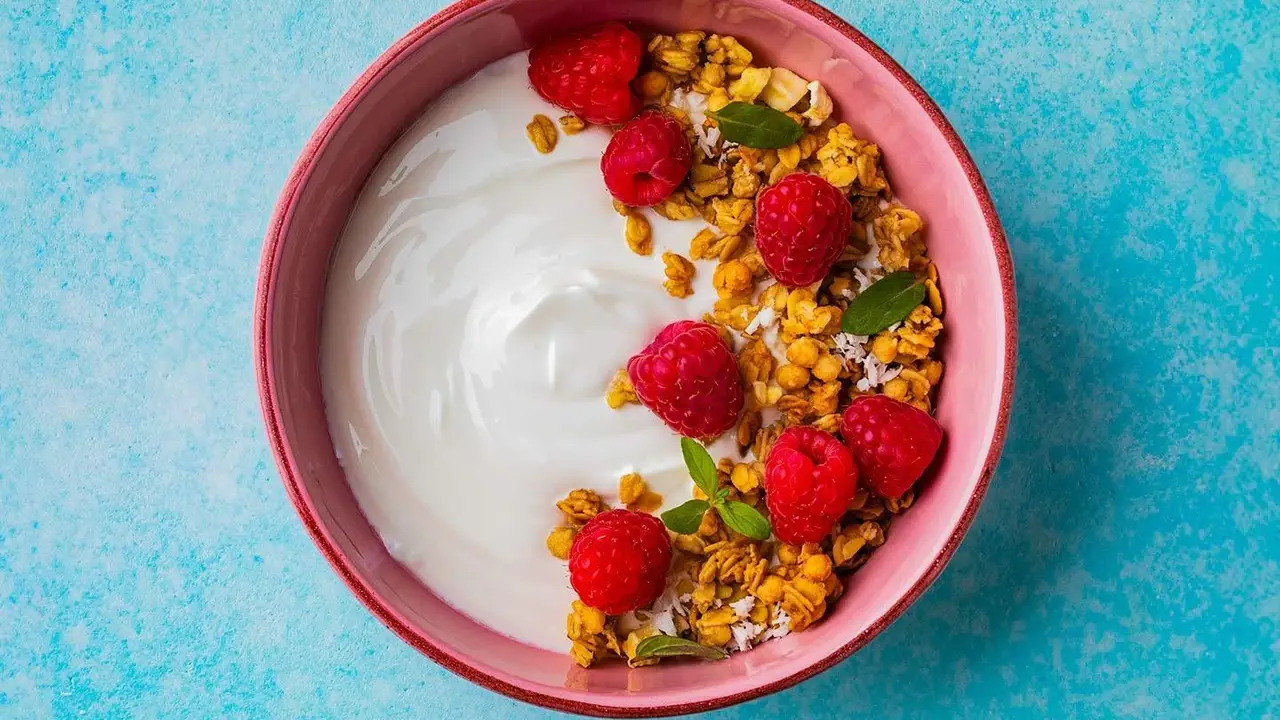
You don't always need protein powder to create a healthier dessert. Many traditional Indian sweets are naturally rich in protein. A Mishti Doi made with jaggery is a probiotic-rich option. Sandesh and Ras Malai, made from chenna or paneer, are excellent sources of milk protein. Even classics like Kheer can be made healthier by using skimmed milk and adding nuts and seeds. A Chocolate Greek Yoghurt Bowl or a dessert made with paneer can offer a delicious and filling end to a meal, combining familiar tastes with nutritional benefits.