






From Chaos to Control in an Emergency
Imagine a pipe bursting. Water is spreading across your floor, and every second counts. Knowing exactly where the main water shut-off is—and what it looks like—can be the difference between a small mess and a catastrophic, expensive repair. Photos provide
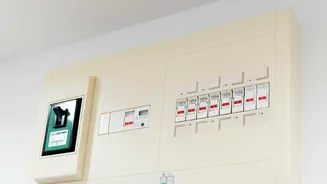
instant visual confirmation. The same logic applies to a tripped circuit breaker that has plunged half your home into darkness. Instead of fumbling with a flashlight, a clear photo of your labeled electrical panel guides you directly to the correct switch. This documentation is not just for you; it's invaluable for family members, house sitters, or even first responders who might need to act quickly in your absence. Documenting your home's essential controls transforms a high-stress event into a manageable situation.
What to Photograph: A Homeowner's Shot List
Your goal is to create a comprehensive visual guide to your home’s core systems. Start by locating and photographing the following items: Main Electrical Panel: Take a wide shot to show its location, then a clear, close-up picture of the open panel showing all the breakers and their corresponding labels. If the labels are faded or unclear, now is the perfect time to update them. Main Water Shut-Off Valve: This is one of the most critical photos. Locate the valve where the main water line enters your home—often in a basement, crawl space, garage, or on an exterior wall—and take a picture. Individual Fixture Valves: Photograph the smaller shut-off valves under sinks and behind toilets. These allow you to stop water to a single fixture without turning it off to the whole house. Gas Shut-Off Valve: If you have natural gas, find the main shut-off valve near your meter. Take a clear photo and consider adding a note about the tool needed to turn it (often a specific type of wrench). * Water Heater and HVAC: Capture the unit itself, along with any labels showing the model number, serial number, and installation date. This is incredibly useful for scheduling maintenance or ordering parts.
How to Create a Truly Useful Photo
A blurry, dark photo is almost as bad as no photo at all. To ensure your pictures are helpful, use good lighting and make sure the subject is in sharp focus. For panels and valves, take both a wide-angle shot to establish location context and a close-up shot to show details and labels clearly. For valves, consider including a small arrow or note in the photo (using a simple photo editing app) to indicate the 'off' direction—typically clockwise for round handles and a quarter turn for lever-style valves. Another pro-tip is to shoot a short video, starting from a recognizable landmark like a doorway and walking to the valve or panel, explaining its function as you go. This can be especially helpful for anyone unfamiliar with your home's layout.
Organizing Your Digital and Physical Maintenance File
Once you have your photos, you need to store them where they can be found easily, especially during an emergency. The best practice is to have both a digital and a physical copy. For a digital file, create a dedicated folder in a cloud storage service like Google Drive, Dropbox, or iCloud and name it something simple like "Home Maintenance." This ensures you can access it from your phone anytime, anywhere. You can also share the folder with family members or trusted contractors. For a physical file, print the photos and place them in a binder labeled "Home Information." This binder can also hold appliance manuals, warranty information, and receipts for home improvements.
Streamline Repairs and Save Money
This small organizational task has significant financial benefits. When you call a plumber, electrician, or HVAC technician, being able to text them a photo of the panel or valve ahead of time helps them come prepared with the right tools and parts, potentially saving you the cost of a preliminary diagnostic trip. Furthermore, a well-documented maintenance history can be a major selling point when you decide to move. Handing a new owner a complete maintenance file, complete with photos, demonstrates that the home has been well-cared for and increases their confidence, which can protect your property's value.