





The Problem with Dampness
The primary issue with wearing wet socks for an extended period is the environment it creates. Fungi and bacteria flourish in warm, damp, and dark places, making your rain-soaked shoes a perfect breeding ground. This moisture weakens the skin's natural
protective barrier, making it more susceptible to infections. Common problems that arise from this include athlete's foot, a fungal infection that causes itching, scaling, and cracked skin, especially between the toes. You may also experience bacterial infections, unpleasant foot odour, and an increased risk of blisters due to the added friction of a wet sock against your skin.
Your First Defence: The Right Gear
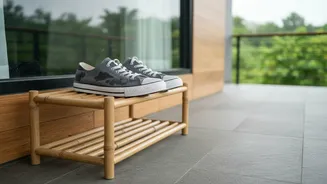
Prevention starts before you even step out. Choosing the right footwear and socks is critical. Opt for open footwear like sandals or floaters when possible, as they allow water to drain and your feet to dry quickly. If you must wear closed shoes, choose options made from breathable materials. It's also wise to rotate your shoes, giving each pair at least 24 hours to dry out completely before wearing them again. As for socks, avoid 100% cotton, which absorbs and holds moisture. Instead, choose moisture-wicking materials like merino wool or synthetic blends like polyester and nylon that pull sweat and water away from your skin, keeping you drier and more comfortable.
The Golden Rule: Change Your Socks Immediately
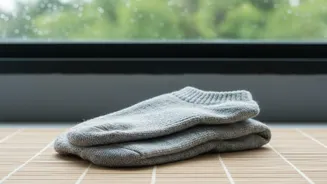
This is the single most important habit to adopt during the monsoon. As soon as your socks get wet, change them. Keeping a spare pair of socks (and even a lightweight pair of sandals) in your bag, car, or at your workplace can be a lifesaver. Getting your feet into a dry pair of socks prevents the prolonged exposure to moisture that kickstarts fungal and bacterial growth. It may seem like a small inconvenience to stop and change, but it’s a powerful step in preventing itchy, uncomfortable, and sometimes painful foot issues that could sideline you for weeks.
A Daily Ritual for Healthy Feet
Incorporating a simple foot care routine during the monsoon can make a huge difference. As soon as you get home, wash your feet with mild soap and water, paying special attention to the spaces between your toes. After washing, drying them thoroughly is just as important. Use a clean, dedicated towel to pat your feet completely dry. To absorb any lingering moisture and prevent fungal growth, consider applying an antifungal powder. It’s also a good practice to trim your toenails straight across to prevent dirt and bacteria from accumulating underneath them.
Soothing Solutions for Minor Troubles
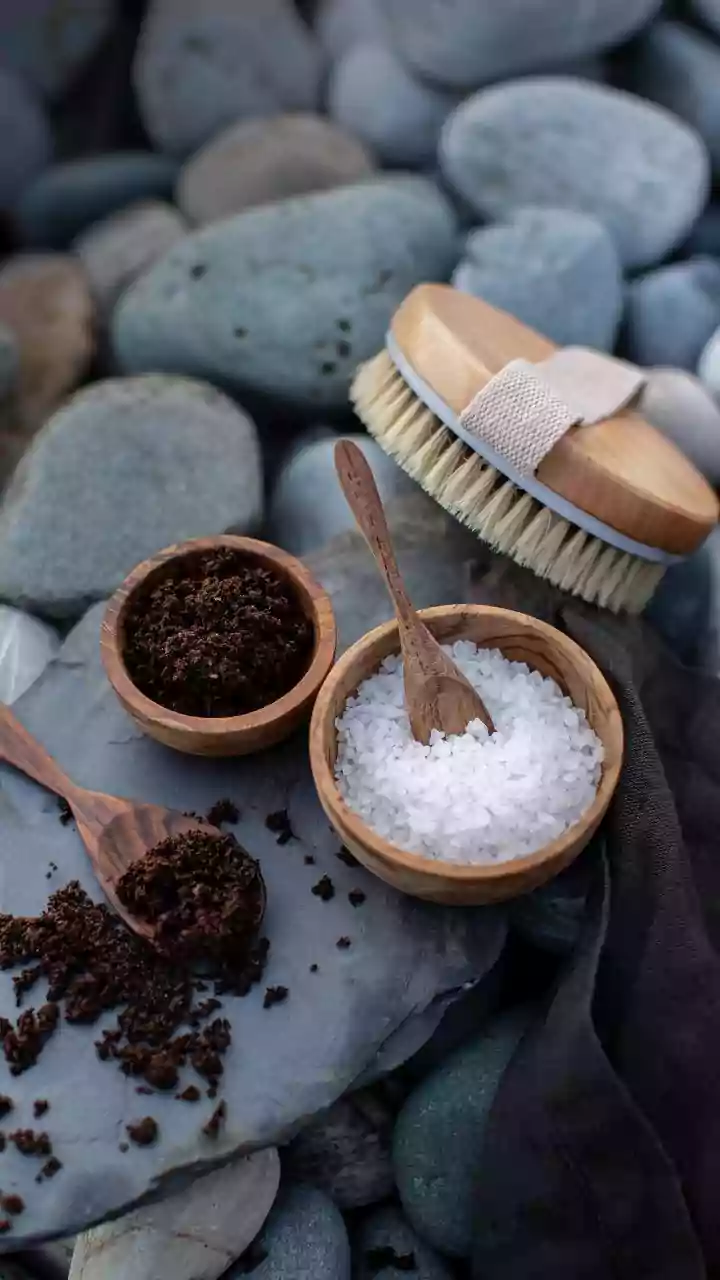
If you start to notice minor issues like foot odour or slight itchiness, there are simple home remedies you can try. A foot soak in warm water with Epsom salt can be soothing and has antimicrobial properties. Another popular remedy is a vinegar soak, using a mixture of equal parts water and vinegar, which creates an acidic environment that inhibits fungal growth. Applying diluted tea tree oil, known for its natural antifungal properties, can also help manage early signs of infection. Sprinkling baking soda in your shoes can help absorb moisture and neutralise odours overnight.