


The Snack Aisle's Health-Conscious Shift
Walk down the snack aisle of any supermarket today, and you'll see a story of transformation. Alongside the familiar packets of fried chips and namkeens, there is a rapidly growing section dedicated to 'better-for-you' options. Baked crisps, roasted makhanas
(fox nuts), and millet-based snacks are no longer niche products but mainstream choices. This change is fuelled by a fundamental shift in consumer mindset. With rising awareness about lifestyle diseases, Indians are becoming more ingredient-conscious than ever before. A recent survey highlighted that a majority of consumers now actively read nutrition labels, with a strong preference for natural ingredients and no artificial additives. This move from passive consumption to active, informed choices is redefining the entire packaged food industry.
Protein and Clean Labels Take Centre Stage
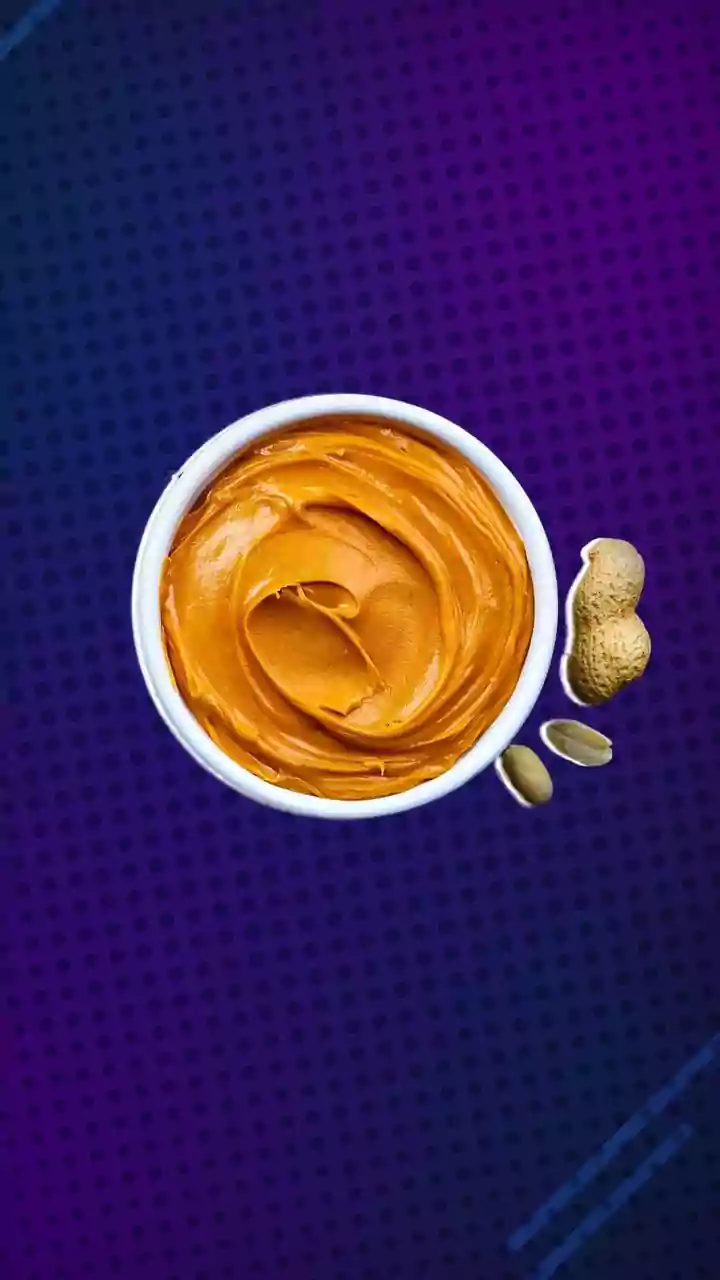
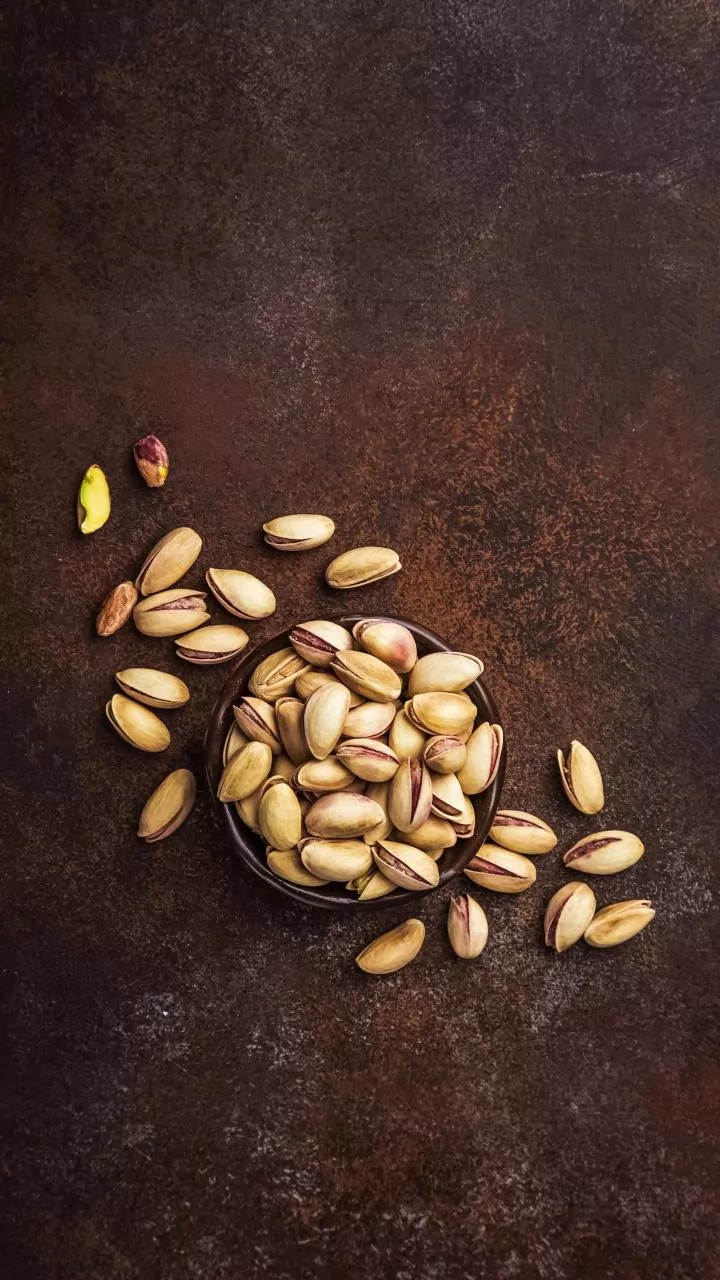
The new definition of a 'healthy' snack is evolving from simply being low-calorie to being functionally nutritious. Protein has emerged as a key factor in purchasing decisions, with reports indicating that a vast majority of consumers consider it important when choosing a snack. This has paved the way for a surge in products like protein bars, roasted legume snacks, and nut-and-seed mixes which are positioned as guilt-free energy boosters. Simultaneously, there is a growing demand for 'clean labels'—products with simple, recognisable ingredients and an absence of artificial preservatives. Consumers are increasingly willing to pay a premium for snacks that are transparent about their contents, valuing clear ingredient information over celebrity endorsements.
A Modern Twist on Traditional Ingredients
Perhaps the most interesting part of this trend is the rediscovery and rebranding of traditional Indian foods. Ingredients that have been staples for generations are now being marketed as modern superfoods. Millets like ragi, jowar, and bajra are experiencing a renaissance, moving beyond traditional rotis to feature in everything from breakfast cereals and crackers to baked puffs. Similarly, makhana has transitioned from a humble fasting food to a leading player in the healthy snack market, available in a variety of contemporary flavours. This trend shows that consumers are not abandoning their culinary roots but are embracing them in new, convenient formats that align with a modern understanding of wellness.
Convenience for the Compressed Urban Lifestyle
The demand for healthy options is intertwined with the need for convenience. Hectic work schedules and increasingly urbanised, fast-paced lifestyles mean that many consumers are looking for on-the-go snacking solutions that don't compromise on nutrition. This explains the popularity of ready-to-eat formats that serve as quick meal replacements or midday pick-me-ups. The growth of the healthy snacks market in India is significantly fuelled by this need for products that are both nutritious and easy to consume. Brands are responding with single-serving packs, resealable pouches, and formats like energy bars that fit seamlessly into a busy day, proving that healthy eating can also be hassle-free.