




The Building Blocks of Muscle
When you exercise, your muscle fibres experience tiny tears. Protein is the essential nutrient your body uses to repair this damage, which in turn makes your muscles stronger. This repair process relies on amino acids, the building blocks of protein.
There are twenty amino acids in total, but nine are considered 'essential' because your body cannot produce them; they must come from your diet. A food source that contains all nine of these essential amino acids in adequate amounts is known as a 'complete protein'. These complete proteins are crucial for effective muscle repair, growth, and overall recovery.
The Plant Protein Puzzle
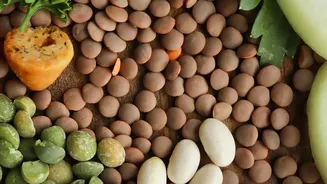
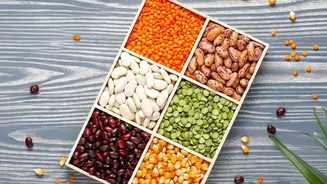
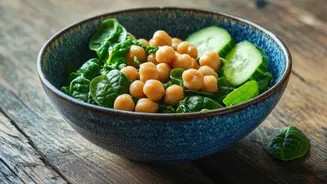
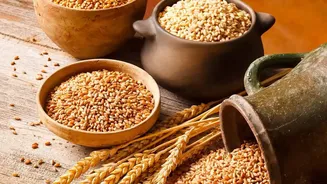
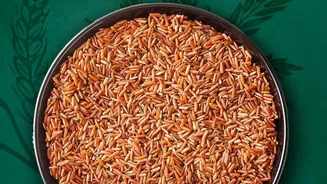
While most animal-based products like meat, eggs, and dairy are complete proteins, the vast majority of plant-based foods are 'incomplete'. This means they are low or lacking in one or more of the nine essential amino acids. This doesn't make them inferior, but it does mean that variety is key. Two major staples of plant-based diets, whole grains and legumes, have complementary weaknesses. Grains like rice and wheat are typically low in the essential amino acid lysine. On the other hand, legumes such as lentils, chickpeas, and beans are low in the essential amino acid methionine. Eaten alone, neither provides the full deck of amino acids needed for optimal protein synthesis.
A Perfect Nutritional Partnership
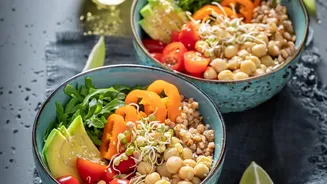
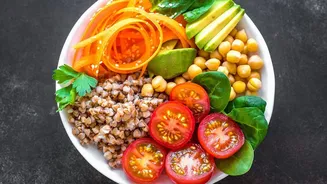
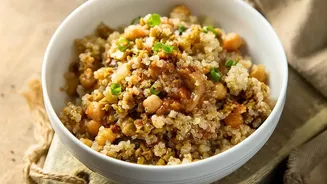
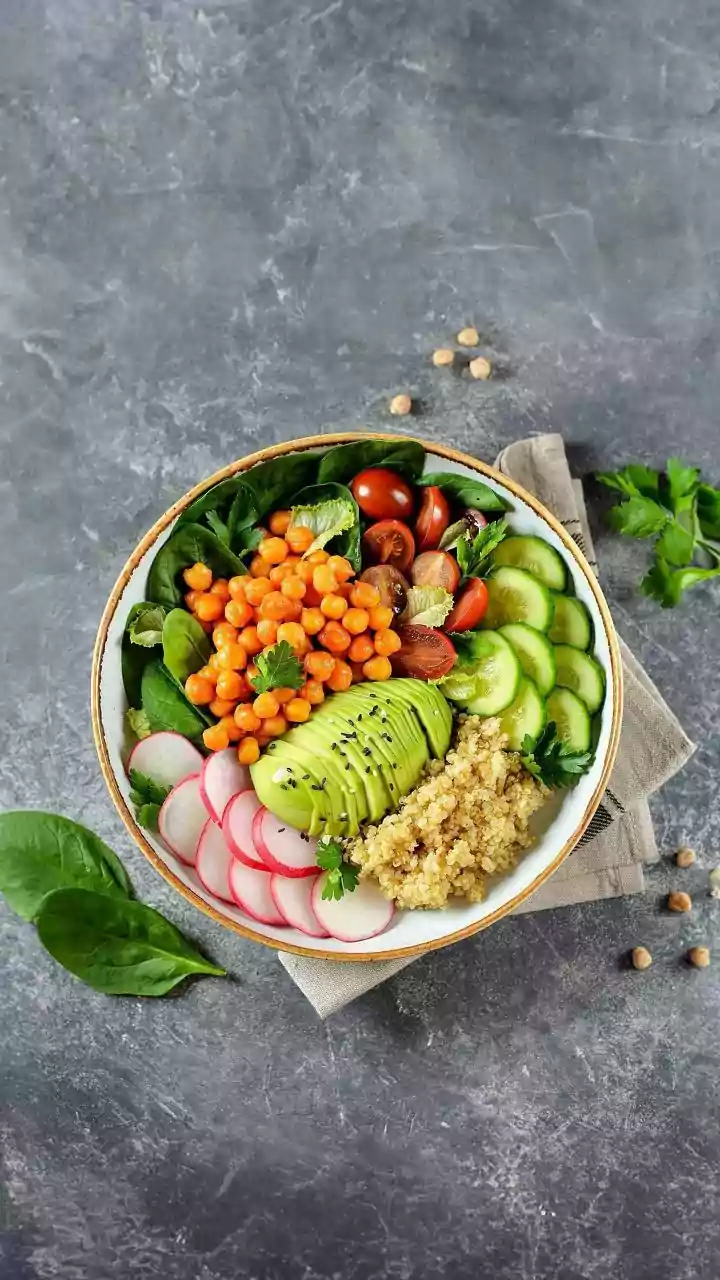
This is where the magic of combining foods comes in. By pairing whole grains with legumes, you create a complete protein profile. The lysine that is abundant in legumes compensates for the lack of it in grains, while the methionine found in grains fills the gap left by the legumes. This concept, known as protein complementation, means that together, the two food groups provide all nine essential amino acids your body needs for muscle recovery. You don't necessarily need to eat them in the exact same mouthful, but consuming them within the same day ensures your body has the full toolkit of amino acids it requires.
Traditional Wisdom, Modern Science
This nutritional strategy is not a new discovery; it is a cornerstone of traditional Indian cuisine. Many of the most beloved comfort foods across the country are, in fact, perfect examples of protein complementation. The quintessential dal and rice is a classic pairing of a legume and a grain. Similarly, chana masala (chickpeas) served with roti or naan (wheat) is another powerful combination. Dishes like khichdi, which combines rice and lentils into a single, easily digestible meal, have been a staple for centuries. Other popular pairings include rajma (kidney beans) with chawal (rice) and flatbreads served with any number of bean or lentil curries. This demonstrates how generations of culinary wisdom align perfectly with modern nutritional science.
When to Eat for Best Results
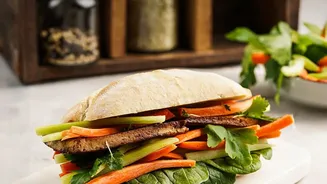
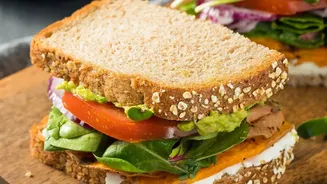
To maximize the benefits for muscle recovery, timing your protein intake can be helpful. After a workout, your muscles are particularly receptive to nutrients to begin the repair process. Consuming a meal rich in complete protein within a couple of hours of exercising can enhance recovery, reduce soreness, and support muscle growth. A post-workout meal of dal and brown rice, a chickpea curry with whole wheat roti, or even a simple peanut butter sandwich on whole grain bread can provide the necessary amino acids to kickstart muscle repair. Pairing your protein with carbohydrates is also beneficial, as carbs help replenish your energy stores and facilitate the transport of amino acids into your muscle cells.