

The humble green pea is a kitchen staple, but its texture can be surprisingly tricky. From delightfully crisp to velvety smooth, mastering the pea is all about understanding how to treat it. Here’s what you need to know to get it right every time.
The Science of the Pea
The
secret to the green pea’s textural magic lies in its composition. Peas are packed with natural sugars and starches. When a pea is young and freshly picked, it's high in sugar, making it sweet and tender. As it ages, or after it's picked, those sugars begin converting to starch. This is why a day-old fresh pea can taste mealy and hard compared to one eaten straight from the pod. Cooking methods either preserve that initial tenderness or use the starches to create entirely new textures, like creaminess or a hearty mush.
For a Firm, Crisp Bite
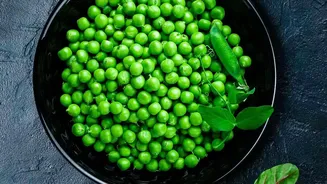
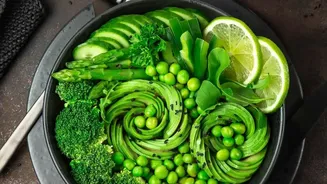
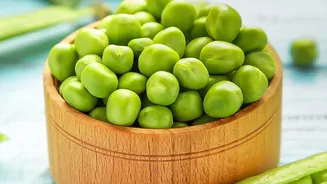
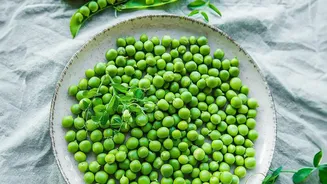
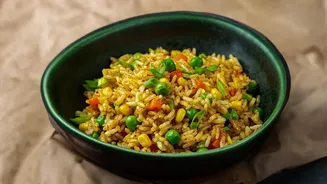
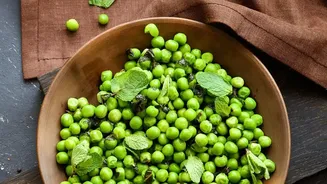
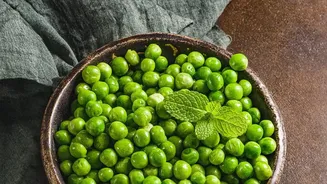
The goal for a firm pea is to cook it as little as possible. This method is perfect for salads, stir-fries, and simple side dishes where you want that signature sweet 'pop'. High-quality frozen peas are often your best bet, as they are flash-frozen at peak ripeness, locking in their sweetness and firm texture. Fresh peas are also excellent if you can get them straight from a market and use them quickly. The key is a short cooking time: blanch them in boiling water for just a minute or two, then immediately plunge them into ice water to stop the cooking process. You can also steam or briefly sauté them. Avoid boiling them for too long, as this will make them soggy and dull.
Achieving a Creamy, Velvety Puree
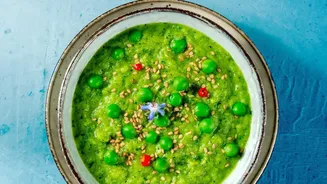
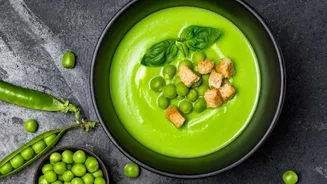
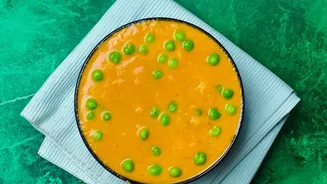
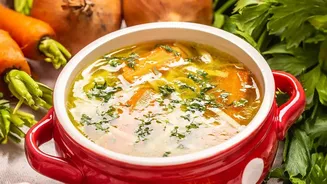
For luxuriously smooth pea soups and purees, you want to break down the pea's structure to release its starches. Frozen peas are a fantastic and reliable choice here. Simmer them with aromatics like onion and garlic in broth just until tender—about 15-20 minutes. Overcooking can make the colour fade and the flavour flatten. For an extra-silky texture, blend the soup while it's still warm and consider adding a fat like butter or cream, which enriches the flavour and mouthfeel. For a restaurant-quality finish, pass the blended soup through a fine-mesh sieve to remove any remaining bits of skin. Adding a starchy potato to the soup while it cooks is another great trick to enhance the creamy body without altering the pea flavour too much.
The Comfort of Classic Mushy Peas
Authentic British-style mushy peas require a specific ingredient: dried marrowfat peas. These are mature peas that have been dried, which gives them a higher starch content. This starch is what creates their distinctively thick, creamy, and slightly coarse texture when cooked. To prepare them, the dried peas are typically soaked overnight with a bit of bicarbonate of soda, which helps to soften them. After soaking, they are simmered gently until they break down into a thick, satisfying mush. While you can make a mock version by overcooking and mashing frozen peas, the texture and flavour won't be quite the same as the traditional dish made from marrowfat peas.
Fresh, Frozen, or Canned?
Choosing the right pea is half the battle. Fresh peas have the best flavour but have a short season and lose their sweetness quickly. They are best for dishes where they can be eaten raw or lightly cooked. Frozen peas are the most versatile and reliable option. Because they are frozen so quickly after harvest, they often have a better, sweeter taste and firmer texture than 'fresh' peas that have been sitting in a store. Canned peas are the softest of the bunch due to the high-heat canning process, which breaks down their cellular structure. This makes them unsuitable for dishes requiring a firm bite, but their convenience is unmatched for adding to stews or quick purees where softness is desired.