







From Hustle to Hibernation
For millennials and Gen X, the mantra was often 'I'll sleep when I'm dead.' Coffee was a food group, and pulling an all-nighter was a badge of honour, a sign of dedication to one's career or studies. This 'hustle culture' glorified productivity at the expense
of personal well-being. Today, Gen Z is staging a quiet rebellion. Instead of competing over who is the most sleep-deprived, they are championing the value of a full eight hours. On platforms like TikTok and Instagram, the 'sleepy girl' aesthetic is gaining traction, promoting rest as a desirable and proactive choice. This isn't about laziness; it's a strategic retreat from a world that feels perpetually 'on.' It's a recognition that true productivity and mental clarity can only come from a foundation of solid rest, not from running on empty.
The New Anatomy of Rest
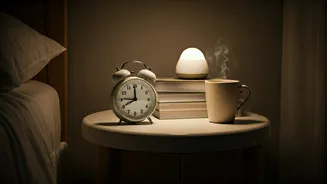
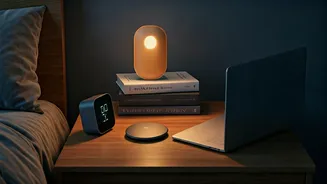
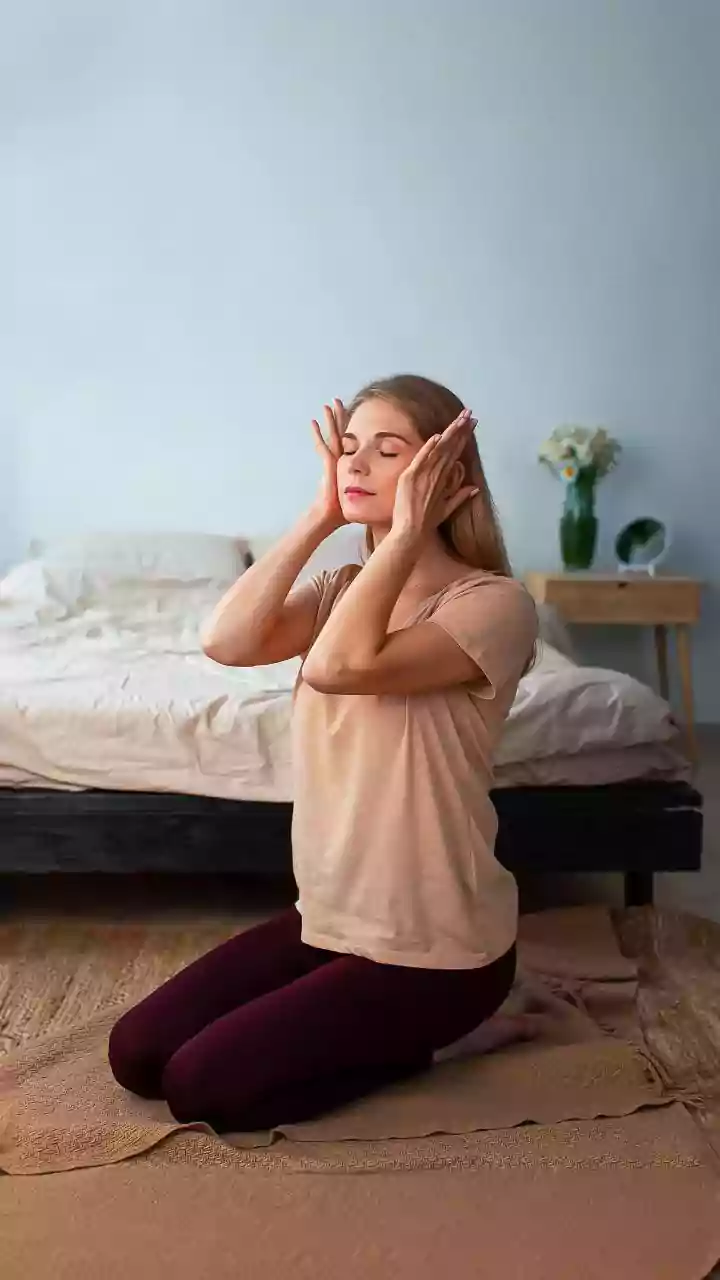
So, what does treating sleep like self-care actually look like? It’s far more than just switching off the lights. It's a meticulously crafted ritual. The modern sleep sanctuary might include weighted blankets to soothe anxiety, silk pillowcases to protect skin and hair, and a diffuser emitting calming lavender oil. The routine often starts an hour before bed, with a strict 'no screens' rule, replaced by journaling or reading a physical book. Special 'sleepy girl mocktails' made with magnesium powder and tart cherry juice go viral online, promising deeper slumber. There are blackout curtains to block out city lights, white noise machines to drown out disruptive sounds, and a plethora of apps for tracking sleep cycles, measuring REM, and providing guided sleep meditations. Sleep is no longer a passive state but an active, optimisable wellness project.
A Conscious Uncoupling from Burnout
This shift is a direct response to the mounting pressures young people in India and across the globe face. The hyper-competitive academic environment, an unstable job market, and the constant digital connectivity have created a perfect storm for anxiety and burnout. The COVID-19 pandemic further blurred the lines between work, study, and home, leaving many feeling exhausted and powerless. For a generation that has grown up with a keen awareness of mental health, prioritising sleep is a logical and accessible form of self-preservation. It's a way to reclaim control over their well-being when so much else feels out of their hands. This movement is a pushback against the expectation to be constantly available, productive, and performing. Sleep becomes a non-negotiable boundary, a silent protest against a culture that demands too much.
The Commodification of Slumber
Naturally, where there's a trend, there's a market. The wellness industry has been quick to capitalise on this newfound reverence for rest, creating what some call the 'sleep-industrial complex.' The market is flooded with high-tech gadgets, luxury bedding, expensive supplements, and specialised teas, all promising the perfect night's sleep. While some of these products can be genuinely helpful, this commercialisation adds a new layer of pressure. The risk is that sleep, a fundamental human right, becomes another consumerist pursuit where one feels they must buy the 'right' things to do it 'correctly.' This can create performance anxiety around rest itself, turning a natural process into another task to be perfected and optimised, which can be counterproductive to the goal of relaxation.
What the Experts Say
Sleep scientists and psychologists largely view the prioritisation of sleep as a positive development. For decades, experts have warned against the health risks of chronic sleep deprivation, linking it to everything from poor cognitive function and mood disorders to heart disease and a weakened immune system. A consistent sleep schedule, a relaxing pre-bed routine, and a dark, quiet environment—all tenets of the Gen Z sleep movement—are scientifically backed principles of good 'sleep hygiene.' However, experts also caution against over-reliance on trackers and gadgets, which can sometimes lead to 'orthosomnia,' an unhealthy obsession with achieving perfect sleep data that ironically causes more anxiety. The key, they suggest, is to listen to your own body rather than an app. If a calming ritual helps you unwind, it's beneficial, but it doesn't need to be expensive or complex.