


Verify Your Location and Visibility
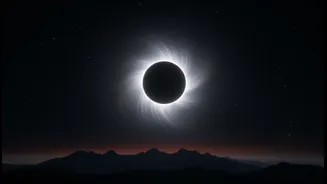
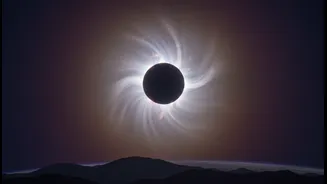
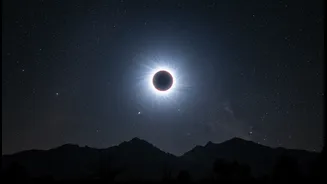
The first thing to check is whether you can even see the eclipse. The path of totality, where the Moon completely blocks the Sun, is very narrow for this event. On August 12, 2026, this path will cross over the Arctic, Greenland, Iceland, and northern
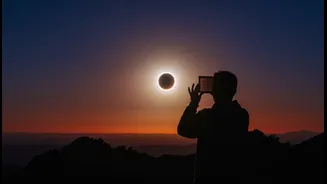
Spain. For those in India, the total eclipse will not be visible, as it occurs when it is nighttime in the country. However, a partial eclipse will be visible across most of Europe, northwestern Africa, and parts of North America. If you are not in the path of totality, you will only see the Moon take a 'bite' out of the Sun. Many will choose to travel to destinations like Iceland or Spain, while others can watch high-quality live streams from organisations like NASA. Knowing your viewing location determines everything else about your plan.
Verify Your Eye Protection
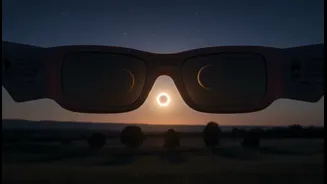
This is the most critical verification. Staring at the Sun, even when it is partially covered, can cause permanent eye damage, a condition known as solar retinopathy. Regular sunglasses, no matter how dark, are not safe for viewing an eclipse. You must use special-purpose solar filters, such as certified 'eclipse glasses' or handheld solar viewers. These items must meet the ISO 12312-2 international safety standard. Be wary of counterfeit products, which have flooded markets during past eclipses. Purchase glasses only from reputable vendors listed by astronomical societies. Before use, always inspect your filter for scratches, punctures, or tears; if damaged, discard it immediately. Also, never look at the Sun through an unfiltered camera, telescope, or binoculars while wearing eclipse glasses. The concentrated solar rays will burn through the filter and cause serious eye injury.
Verify Your Viewing Method
Beyond eclipse glasses, there are other safe ways to experience the event. One of the simplest and safest methods is indirect viewing using a pinhole projector. You can make one easily at home with two pieces of card: one with a small hole to project an image of the Sun onto the second piece. This is a great activity for children, who must be supervised at all times during the eclipse. For those interested in photography, special solar filters must be attached to the front of camera lenses, telescopes, and binoculars. It's crucial to seek expert advice on the correct filter and its proper use. The only time it is safe to look at the eclipse without protection is during the brief period of totality, when the Sun is completely hidden. However, since totality will last only about two minutes and is confined to a narrow geographic path, anyone outside that path must use protection for the entire event.
Verify Travel and Accommodation Plans
For those committed to seeing totality, planning is everything. The 2026 eclipse is the first total solar eclipse visible in mainland Europe since 1999, making cities in Spain like Valencia, Zaragoza, and Palma popular destinations. With the event now just a month away, expect high demand for flights, rental cars, and hotels in and around the path of totality. If you plan to travel, verify your bookings immediately. Check for local transportation options, as many areas may experience significant traffic congestion. Research your viewing spot in advance. In Spain, the eclipse occurs late in the evening, shortly before sunset, so you will need a viewing location with a clear, unobstructed view of the western horizon. Eclipse-chasers often book years in advance, so last-minute arrangements will require diligence and flexibility.
Verify the Eclipse Timeline
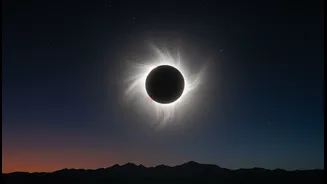
Understanding the timing is key to a successful viewing. The partial phase of the eclipse will begin around 15:34 UTC (9:04 PM IST), with maximum eclipse occurring around 17:46 UTC (11:16 PM IST). In Iceland, totality will occur in the late afternoon, around 5:48 PM local time in Reykjavík. In northern Spain, it will be an evening event, with totality beginning around 8:28 PM local time in cities like León. The duration of totality is very short—just over two minutes at the point of greatest eclipse off the coast of Iceland. Knowing the precise start and end times for your specific location is essential for knowing when to use and remove your eye protection if you are in the path of totality.
Verify Your Sources of Information
In the lead-up to a major celestial event, misinformation can spread rapidly. Verify that your information comes from trusted sources. National space agencies like NASA, the European Space Agency (ESA), and reputable organisations like the American Astronomical Society provide accurate maps, safety guidelines, and educational resources. They will also host live streams of the total eclipse, offering a fantastic and safe viewing experience for those outside the path of totality. Avoid relying on social media rumours or astrological predictions that often contain inaccuracies about the physical effects of an eclipse. Stick to the science to ensure your eclipse day is both memorable and safe.