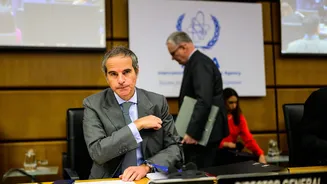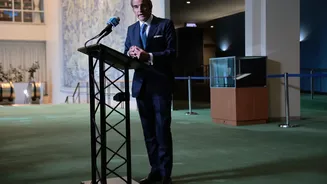




After running into record-breaking overtime, the COP31 climate summit has ended in deep disappointment. Nearly 200 nations failed to agree on the single most contentious issue: a unified plan to move away from oil and gas, the primary drivers of climate change.
What Happened in Turkey?
The annual UN climate conference, known as the Conference of the Parties (COP), is the main forum where the world comes together to negotiate global climate action. This year's talks in Antalya, Turkey, which ran for over two weeks, ended without the crucial overarching agreement, known as a cover decision. This marks the first time UN climate talks have collapsed without a deal since the infamous Copenhagen summit in 2009. The core reason for the breakdown was an inability to find consensus on language regarding the future of fossil fuels. While many nations, including the European Union, pushed for a clear commitment to 'phase out' or 'transition away from' fossil fuels, a handful of oil-producing countries like Russia and Saudi Arabia objected, leading to a stalemate.
The Great Divide on Fossil Fuels
The central conflict was a draft text that contained no direct mention of phasing out oil and gas. This was seen as a major step backward by a broad coalition of climate-vulnerable nations, including many small island states, who argued that an agreement without tackling the root cause of the climate crisis was unacceptable. The EU delegation stated it was 'unconscionable' to have a climate pact that ignores fossil fuels. On the other side, nations whose economies are heavily dependent on fossil fuel exports resisted binding language that could harm their economic interests. This fundamental disagreement created what the negotiations chair called 'unbridgeable red lines', ultimately leading to the collapse of the main deal.
Where Does India Stand?
For India, the negotiations were a balancing act. Throughout the conference, Indian delegates forcefully argued for climate justice and the principle of 'Common but Differentiated Responsibilities'. This principle holds that developed nations, which have historically emitted the most greenhouse gases, should bear a greater responsibility for financing the green transition in developing countries. India's environment minister stressed that any transition away from fossil fuels must be just and equitable, addressing critical issues like poverty eradication, energy access, and employment for its vast population. While supporting the global climate effort, India maintained that developing countries need significant financial and technological support to decarbonise without compromising their developmental goals, a position shared by other major developing economies.
Not A Total Failure?
Despite the headline failure, the talks were not entirely without progress. Smaller, separate agreements were reached on several fronts. Nations made headway on a framework for a 'just transition', focusing on how to make the move to a low-carbon economy fair for workers and communities. There was also progress on strengthening climate resilience through better early-warning systems and some new commitments to cut methane emissions. A significant number of countries also endorsed a 'Global Electrification Pledge' to increase the share of electricity in the global energy mix. These smaller wins show that while consensus on the biggest issue was impossible, momentum for climate action continues on other tracks.
A Missed Opportunity with High Stakes
The failure to secure a broad agreement is being called a 'huge missed opportunity' and a 'deeply disappointing' setback by leaders like UN Secretary-General António Guterres. With scientists warning that the window to limit global warming to 1.5 degrees Celsius is rapidly closing, this impasse is more than just a diplomatic failure; it has real-world consequences. The lack of a unified signal from COP31 could slow investment in clean energy and embolden fossil fuel interests. However, many advocates and leaders insist the fight is far from over, calling for renewed efforts through coalitions of willing nations and urging civil society to continue demanding action. The world will now look to next year's COP32, with the hope that this year's bitter deadlock can be broken.