







The Humidity Overload
The single biggest factor behind monsoon skin woes is the dramatic spike in humidity. When humidity levels soar, often from a dry 30-40% to a sticky 80-90%, our skin's behaviour changes at a microscopic level. This constant moisture in the air disrupts
the skin's natural barrier, a delicate layer of lipids and cells responsible for keeping moisture in and irritants out. Paradoxically, while the air is wet, this barrier can weaken, making the skin more vulnerable. Furthermore, high humidity makes it harder for sweat to evaporate, leaving a damp film on the skin that can trap pollutants and microbes.
The Science of Monsoon Acne
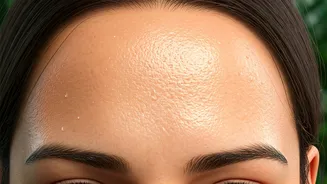
If you notice more breakouts during the rains, you're not alone. High humidity signals the skin's sebaceous glands to produce more oil, or sebum. This excess oil, combined with sweat that can't evaporate, creates a perfect, sticky mixture on your skin's surface. This mixture effectively clogs pores by trapping dead skin cells, dirt, and bacteria. The warm, moist, and oily environment becomes an ideal breeding ground for *Propionibacterium acnes*, the bacteria primarily responsible for inflammatory acne, leading to more frequent and inflamed pimples.
A Breeding Ground for Fungi
Fungi thrive in warm, moist, and dark conditions, which is an accurate description of many parts of our body during the humid monsoon season. Areas like the folds of the skin, between the toes, and the groin are particularly susceptible. The constant dampness from sweat and the environment weakens the skin's defenses, allowing fungi that are naturally present on our skin, like Malassezia, or those from the environment, to multiply uncontrollably. This overgrowth leads to common monsoon afflictions such as athlete's foot, ringworm (which is caused by a fungus, not a worm), and jock itch, all characterized by red, scaly, and intensely itchy patches.
Flare-Ups of Existing Conditions
For those with chronic skin conditions, the monsoon can be a particularly challenging time. The high humidity and excessive sweating can trigger flare-ups of eczema (atopic dermatitis) by causing further irritation to an already compromised skin barrier. Similarly, while some sunlight can help psoriasis, the often-overcast skies of the monsoon reduce UV exposure, which can worsen plaques for some individuals. The moist environment can also increase the risk of secondary bacterial or fungal infections on psoriasis-affected skin, complicating the condition further.
A Science-Based Skincare Approach
Understanding the science helps create a smarter skincare strategy. The primary goal is to counteract the effects of humidity. Start by cleansing twice daily with a gentle, pH-balanced cleanser to remove the build-up of oil and grime without stripping the skin. Even though the air is humid, a moisturiser is still essential. Opt for a lightweight, non-comedogenic (non-pore-clogging) formula to hydrate the skin and support its barrier function. To combat fungal threats, it is crucial to keep the skin dry. Wear breathable fabrics like cotton, change out of wet clothes immediately, and consider using an antifungal powder in sweat-prone areas. Finally, don't skip the sunscreen; UV rays penetrate clouds and can still cause damage.