









Beyond Theory: Critical Thinking & Problem-Solving
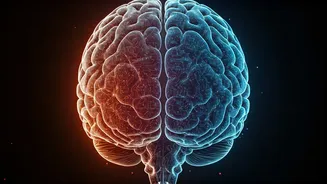
Rote learning has long been a cornerstone of the Indian education system, but the modern workplace demands more. [17] It requires individuals who can analyse complex situations, evaluate information logically, and devise effective solutions. [14, 16]
This is critical thinking in action. Employers aren't just looking for people who can follow instructions; they need professionals who can think on their feet when faced with unexpected challenges. [14] Developing this skill involves actively engaging with case studies, participating in debates, and learning to question assumptions rather than just accepting information at face value. [16, 24]
The New Language: Digital and AI Fluency
In an economy rapidly integrating technologies like Artificial Intelligence (AI), digital literacy is non-negotiable. [2, 15] This goes far beyond basic social media use. It means understanding data analytics, AI and machine learning concepts, cloud computing, and cybersecurity fundamentals. [2, 3, 18] The demand for roles in these areas is growing exponentially, and there's a significant gap between the supply of skilled talent and industry demand. [7, 9] The government's National Education Policy (NEP) 2020 strongly emphasises integrating these skills into the curriculum, signalling their importance for the future of work in India. [5, 11, 13]
The Human Element: Communication and Collaboration
In a world of increasing automation, uniquely human skills like communication and collaboration have become more valuable than ever. [6, 8] The ability to articulate ideas clearly, listen actively, present with confidence, and work effectively in diverse teams is a top priority for recruiters. [10, 19] In today's hybrid and global work environments, being able to collaborate seamlessly with colleagues across different functions and cultures is crucial for driving projects forward and fostering innovation. These so-called "soft skills" are, in reality, essential power skills that determine career progression. [4, 19]
Navigating Change: Adaptability and Lifelong Learning
The one constant in today's career landscape is change. Technologies evolve, industries pivot, and job roles are redefined. [4, 14] The most successful professionals will be those who demonstrate adaptability and a commitment to lifelong learning. [6, 16] This means having the resilience to navigate uncertainty and the curiosity to continuously acquire new knowledge and skills. [16, 19] Employers are increasingly prioritising a candidate's willingness to learn over their existing qualifications, recognising that adaptability is key to long-term value. [4, 20] As such, students must cultivate a mindset that views education not as a one-time event, but as a continuous journey.
The Founder's Mindset: Entrepreneurship and Innovation
Whether a student plans to start their own company or join a large corporation, an entrepreneurial mindset is a significant advantage. This involves skills like taking initiative, managing resources, identifying opportunities, and thinking creatively to solve market problems. [12, 14, 19] India's growing startup ecosystem and the government's focus on innovation are creating a landscape where these skills are highly rewarded. [7] Even within established companies, employees who can think like entrepreneurs—identifying inefficiencies and proposing innovative solutions—are invaluable. [12] This proactive, problem-solving approach is a powerful differentiator in any career path.