



The Savoury Surprise
For generations, raw mango has been the star of tangy dals and pickles. Now, ripe mangoes are making a huge splash in savoury cooking, moving from a supporting role to the main event. Chefs and home cooks are getting bolder, incorporating the sweet, complex
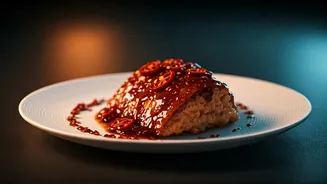
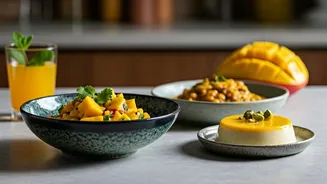
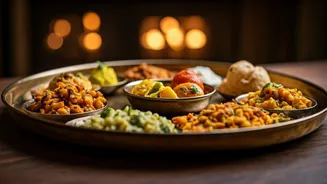
flavours of ripe mango into everything from rich curries to light, refreshing salads. Imagine a Mangalorean-style curry where sweet mangoes are cooked down with coconut milk and spices, creating a dish that is simultaneously sweet, tangy, and spicy. [9] Or think of a Kerala-inspired prawn curry where chunks of semi-ripe mango melt into the sauce, adding a subtle sourness that perfectly complements the fresh seafood. [9, 7] Even grilled meats and paneer are getting a mango makeover, served with vibrant, juicy mango salsas that cut through the richness with a burst of tropical freshness. [8] These dishes prove that mangoes have a place at the centre of the plate, not just on the dessert menu.
The Fermented Frontier
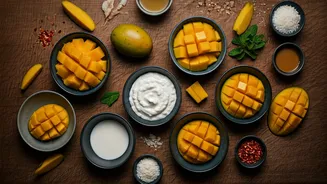
Fermentation is an ancient Indian tradition, but a new generation is applying this technique to mangoes with exciting results. Lacto-fermented mango is emerging as a popular way to preserve the fruit while creating a complex, probiotic-rich condiment. This isn't your grandmother's oil-based achaar. The process is simple: mangoes are submerged in a saltwater brine and left to ferment for several days, resulting in a tangy, slightly effervescent flavour that is utterly unique. [2, 4] Some recipes get even more creative, adding spices like chilli flakes, ginger, and mustard seeds to the ferment. [5] The result is a versatile condiment that can be eaten on its own, added to salads for a zesty kick, or even blended into dressings and glazes. This method captures the essence of the mango in a completely new and healthful way, offering a tangy counterpoint to the fruit's natural sweetness.
The Modern Indian Dessert
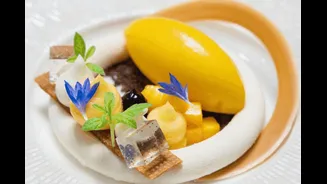
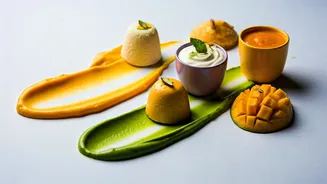
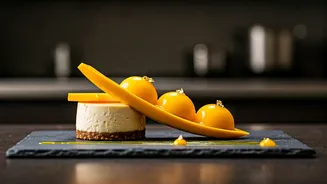
While classics like Aamras and Mango Kulfi will forever be cherished, the modern Indian dessert scene is reimagining mango sweets. The focus is on lighter textures, surprising flavour combinations, and beautiful presentations. Think of a no-bake mango cheesecake, with a creamy, silky filling that sits on a crunchy biscuit base, or a delicate mango mousse, light as air and bursting with pure fruit flavour. [21, 16] Another trend is the deconstruction of traditional desserts, like a Mango Shrikhand served in a tart shell or a Mango Rabdi that features soft, melt-in-your-mouth mango-flavoured balls made from semolina and milk powder. [23] These creations respect the classic flavours but present them in a new, exciting format that feels both familiar and refreshingly modern. They celebrate the fruit's versatility, proving that even with a beloved classic, there's always room for innovation.
Beyond the Border Inspirations
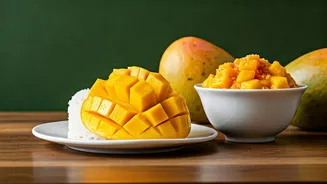
Indian cooks are also looking abroad for new ways to enjoy mangoes, adopting and adapting international recipes with a local twist. Thai Mango Sticky Rice, for instance, has become a sensation in many urban homes and restaurants. [7] The combination of sweet, glutinous rice, creamy coconut milk, and fresh, ripe mango is a match made in heaven. Similarly, Latin American-inspired mango salsas, combining diced mango with onion, coriander, lime, and chilli, have become a go-to accompaniment for everything from tacos to grilled fish. [3, 8] These global inspirations are being embraced not just for their novelty but for how well they complement the Indian palate. They offer new textures and flavour profiles, expanding the already vast repertoire of mango dishes and showcasing the fruit's universal appeal.