



The Grand Ambition: Gaganyaan and Self-Reliance
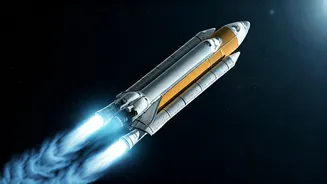
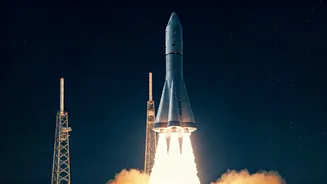
At the heart of India's next giant leap is the Gaganyaan mission, the country's inaugural human spaceflight programme. The goal is to demonstrate the capability of sending up to three Indian astronauts into a 400-kilometre orbit for a three-day mission and
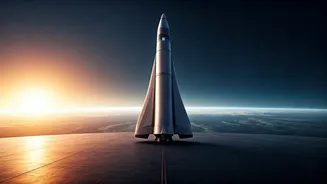
returning them safely to Earth. This monumental undertaking is more than a single launch; it is a complex symphony of new technologies, rigorous safety protocols, and national aspiration. Success will place India in an elite club of nations with indigenous human spaceflight capabilities. Parallel to this is the development of a Reusable Launch Vehicle (RLV), designed to drastically reduce the cost of accessing space and position India as a competitive player in the global launch market.
Test 1: The 'Pushpak' Revolution
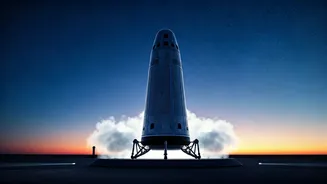
A key series of tests involves ISRO's Reusable Launch Vehicle, named 'Pushpak'. In June 2024, ISRO successfully conducted the third and final landing experiment (LEX) of this winged vehicle at the Aeronautical Test Range in Karnataka. In the test, Pushpak was lifted by an Indian Air Force Chinook helicopter to an altitude of 4.5 km and released. From there, it autonomously navigated its way to a runway, executing corrections and performing a precise, high-speed horizontal landing at over 320 kmph. These tests simulate the challenging conditions of a vehicle returning from space and are crucial for validating the autonomous navigation, guidance, and control systems needed for future orbital re-entry missions. Mastering this technology is a game-changer, promising to make space missions more affordable and sustainable.
Test 2: Ensuring Crew Safety
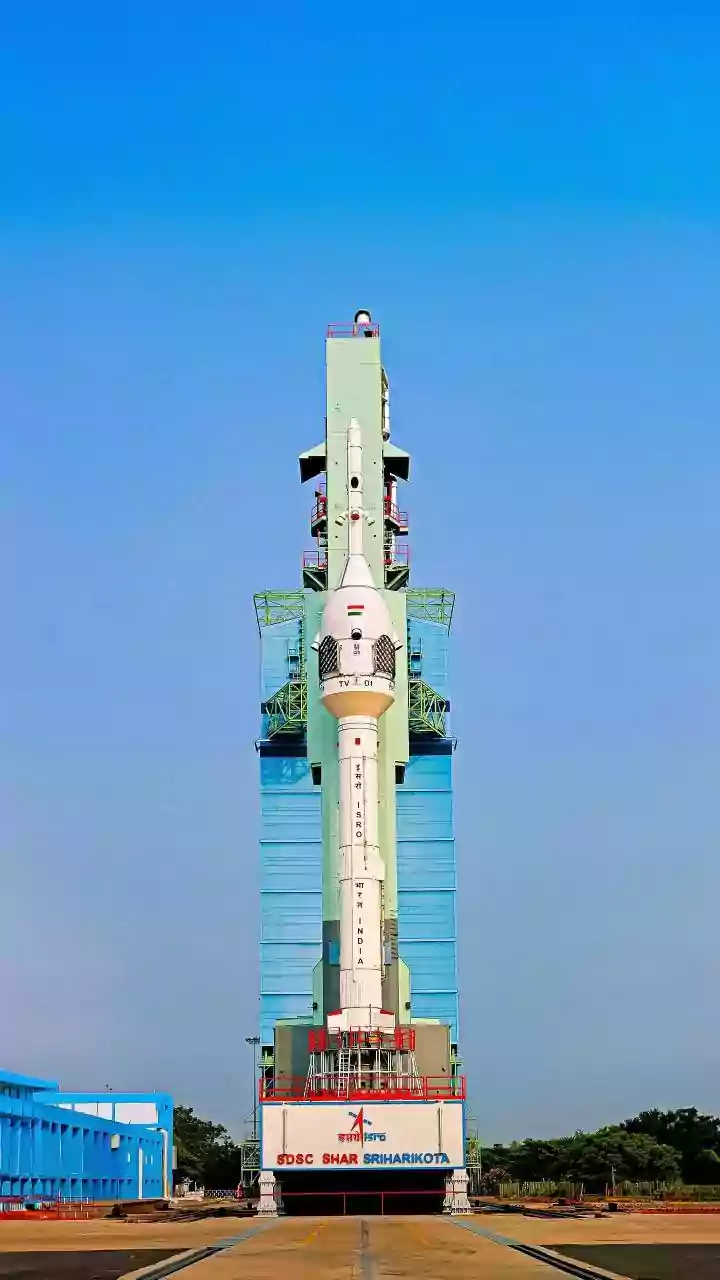
For the Gaganyaan mission, nothing is more critical than astronaut safety. ISRO has been conducting a battery of tests on its Crew Escape System (CES), a mechanism designed to jettison the crew module to safety in case of an emergency during launch. A key trial, the Flight Test Vehicle Abort Mission-1 (TV-D1), was successfully accomplished in late 2023. This test demonstrated the system's ability to separate from the rocket, deploy parachutes, and ensure a safe splashdown for the crew module. The success of these abort missions is non-negotiable, setting the stage for the uncrewed and, eventually, the first crewed Gaganyaan flight. The first uncrewed Gaganyaan mission, G1, is slated for the second half of 2026.
Test 3: The Power Behind the Leap
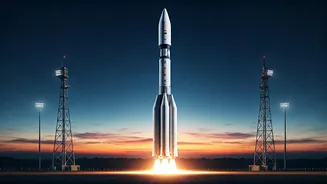
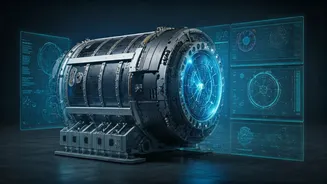
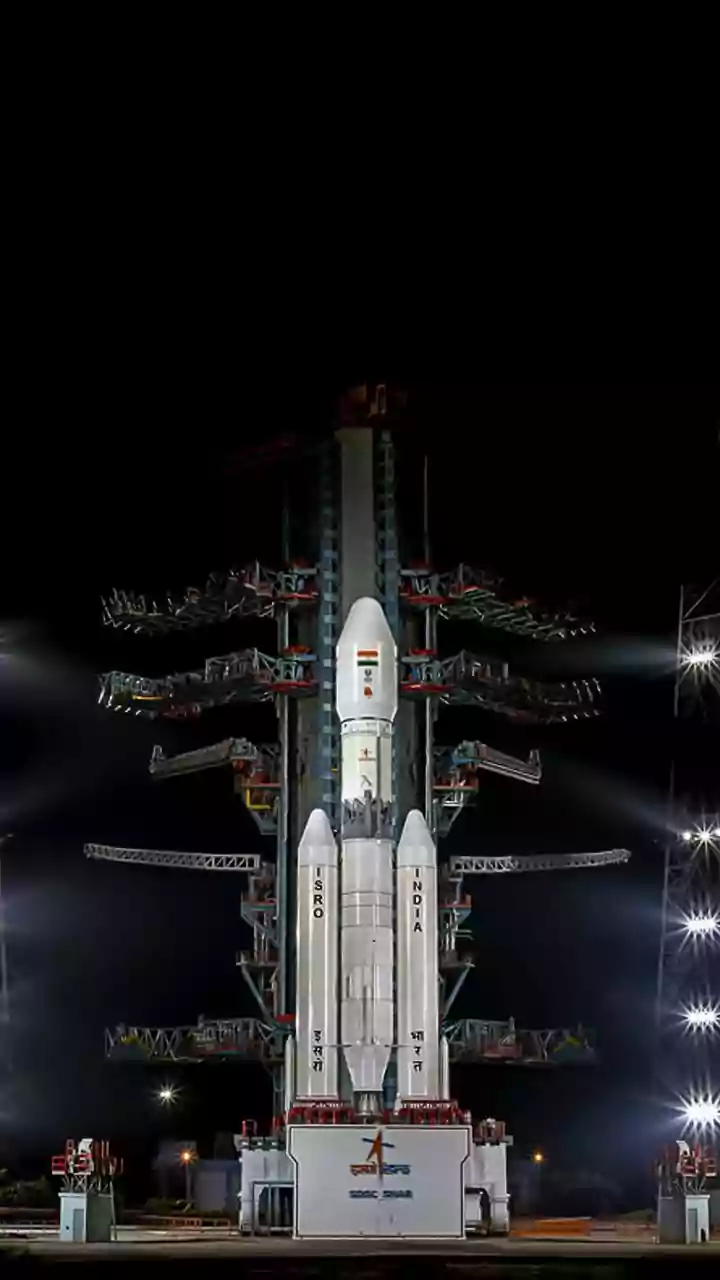
Powering the Gaganyaan mission is the formidable LVM3 rocket, often called ISRO's 'Bahubali'. Its upper stage is driven by the CE20 cryogenic engine, which has undergone extensive testing to be 'human-rated'. To achieve this certification, four engines were subjected to 39 hot firing tests, accumulating 8,810 seconds of operation—well beyond the required standard of 6,350 seconds. These tests were conducted under various conditions, including vacuum ignition tests to simulate the environment of space. In early 2026, ISRO also successfully tested the engine at a higher thrust level of 22 tonnes, which enhances the LVM3's payload capacity for future missions.
The Future: A Station and a Moon Mission
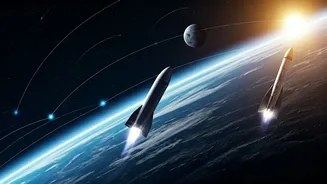
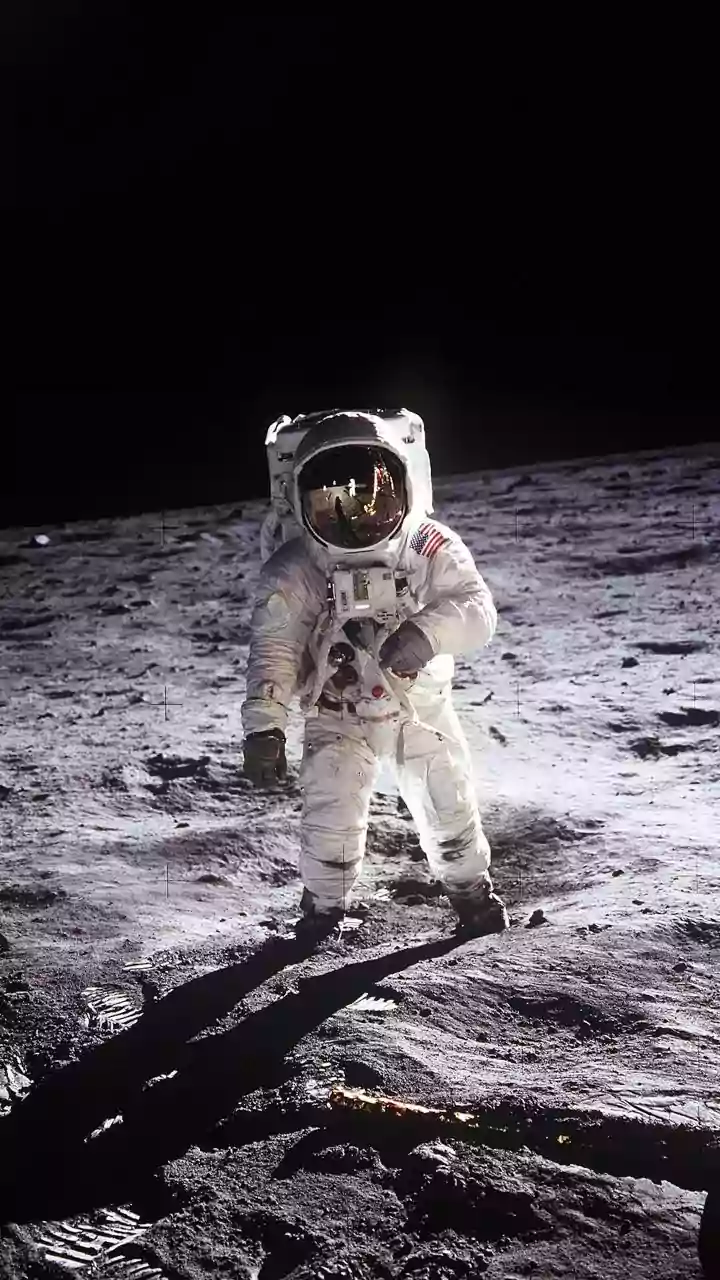
These tests are not ends in themselves, but enablers of a grander vision. The technologies proven in Gaganyaan and the RLV programme are foundational for India's long-term space roadmap. This includes the establishment of the 'Bharatiya Antariksha Station' (Indian Space Station) by 2035 and a crewed lunar landing by 2040. The modular space station is planned to weigh 52 tonnes and will allow astronauts to conduct long-duration research in microgravity. The first module for the station is targeted for a 2028 launch. Each successful engine test and landing burnishes India's credentials, bringing this ambitious future one step closer to reality.