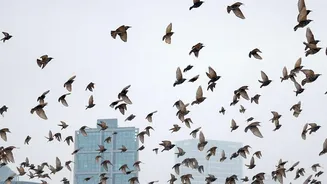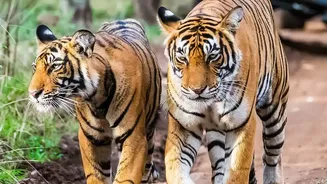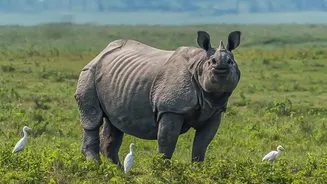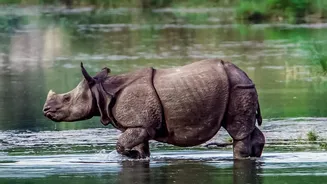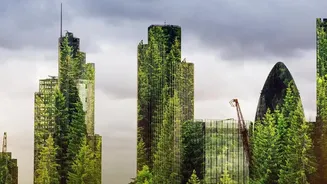

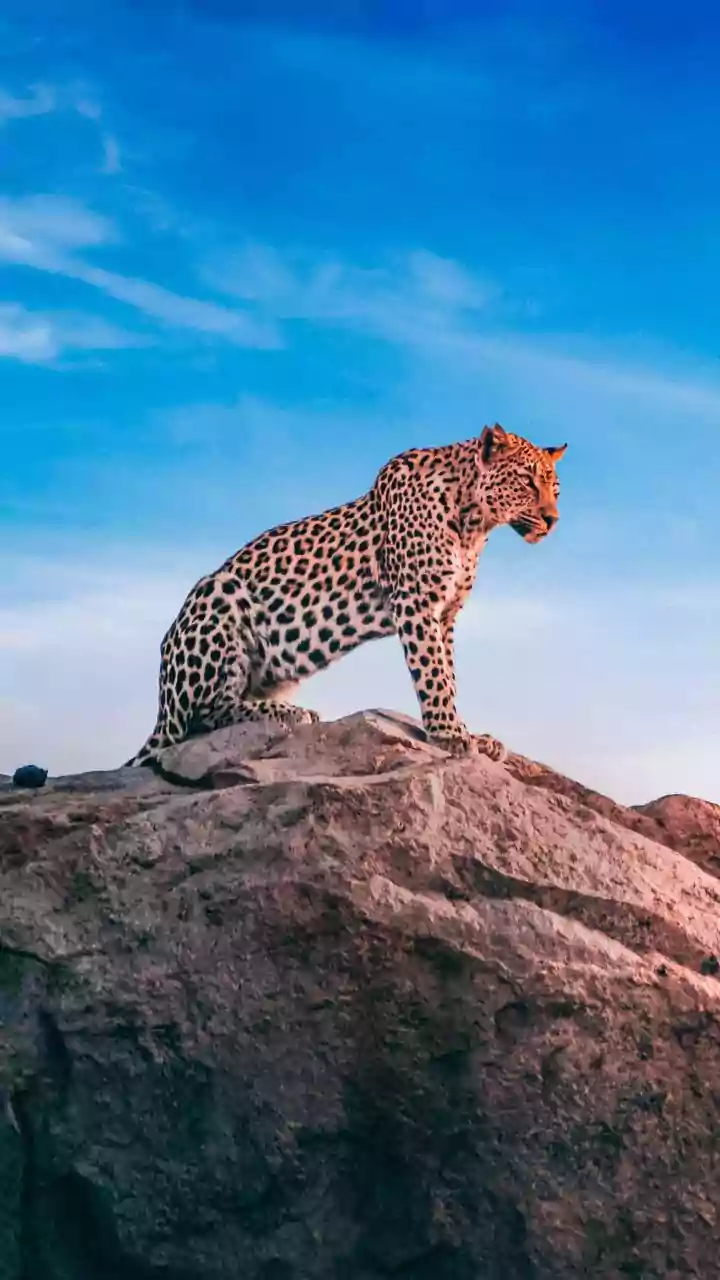
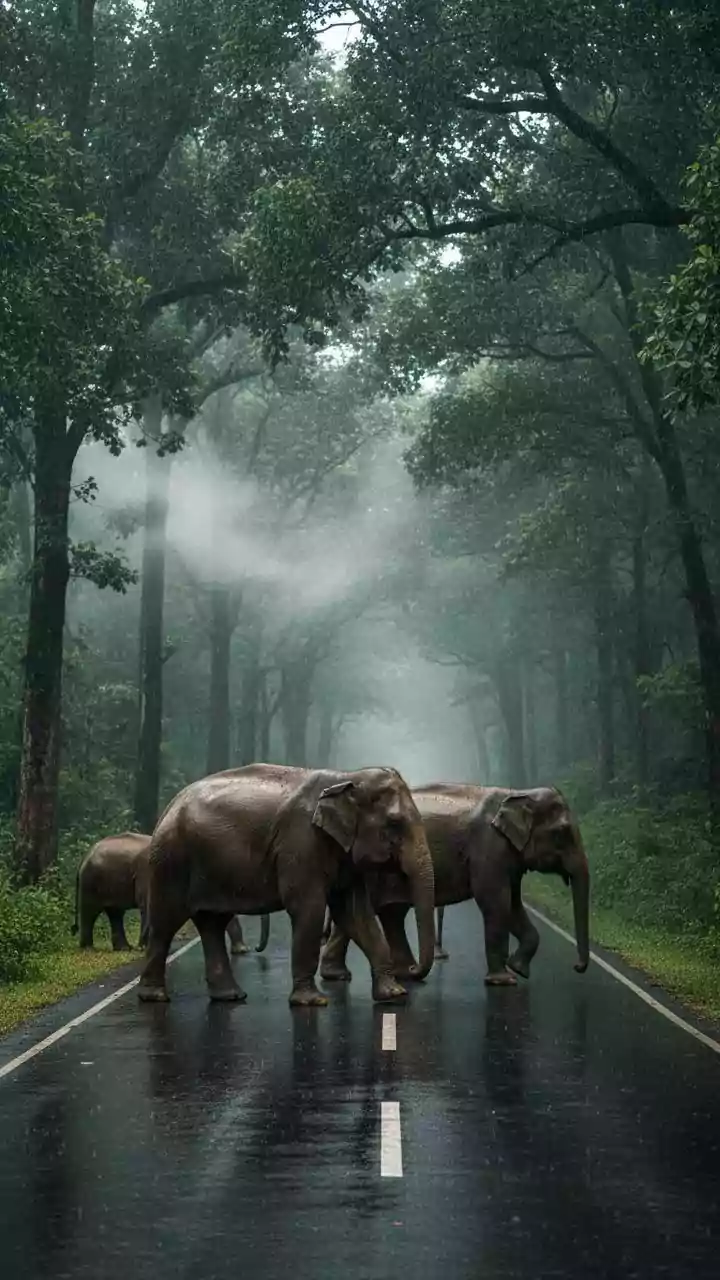
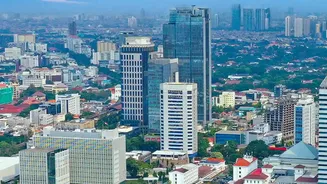
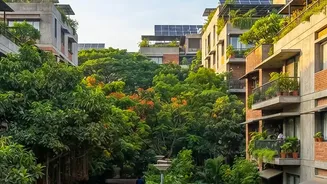
Amidst the roar of traffic and forests of steel, it's easy to forget we share our cities with wildlife. But from birds to mammals, animals are not just surviving in urban India; they are actively adapting in remarkable and surprising ways.
The Winners and Losers of City Life
As cities expand,
they act as a powerful filter, determining which species can stay and which must go. Animals that require specific, pristine habitats, like certain forest birds or amphibians, are often the first to disappear. They are the 'urban avoiders'. On the other hand, 'urban exploiters' are the species that thrive on what we leave behind, like pigeons and rats. In between are the 'urban adapters'—resourceful generalists who learn to navigate the challenges of the city. These are often omnivores like foxes and various monkey species, which can adjust their diets and behaviours to fit the urban landscape. Success in the city often belongs to animals that are behaviourally flexible, tolerant of disturbance, and able to use human-provided food and shelter.
Learning to Speak Up Over the Din
One of the biggest challenges for urban wildlife is noise. The constant rumble of traffic, construction, and human activity creates a soundscape that can drown out crucial communication. Many animals rely on sound to find mates, defend territory, and warn of danger. In response, some species are literally changing their tune. Several studies have found that birds like the great tit sing at a higher pitch in noisy urban areas to cut through the low-frequency roar of the city. European robins have been observed shifting their singing schedules to the quieter hours of the night. It’s a clear example of behavioural adaptation, where animals adjust their long-standing habits to be heard in their new, louder environment.
Skyscrapers as Cliffs, Gutters as Nests
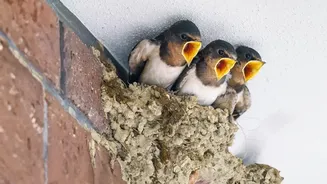
To an animal, a building isn't just a building; it's a cliff face, a cave, or a tree. Animals that once nested in rock crevices or tree hollows are now finding homes in man-made structures. Pigeons, whose ancestors nested on cliffs, find a perfect substitute in the ledges of tall buildings. Barn owls and kestrels, once residents of old trees and rock faces, now frequently nest in derelict buildings, castles, and even active farm structures. Some species get even more creative. Peregrine falcons, a formidable predator, have been known to use skyscrapers as vantage points for hunting pigeons. Meanwhile, smaller creatures take advantage of the gaps we leave behind, with bats roosting in roof spaces and insects finding homes in the nooks and crannies of our homes.
Living Life on the Night Shift
Perhaps the most common adaptation to human activity is a shift in schedule. To avoid the danger and stress of interacting with people, many urban animals have become more nocturnal. Species that might be active during the day in a forest setting learn to wait until dark in the city. This allows them to forage for food, travel through territories, and go about their lives under the cover of relative quiet and darkness. Foxes, for example, have become masters of the urban night, scavenging for food scraps in gardens and bins when human activity is at a minimum. This temporal avoidance is a key survival strategy, allowing animals and humans to share the same space by using it at different times.
Evolution in the Fast Lane
Beyond simple behaviour changes, scientists are now observing rapid evolutionary shifts in urban animal populations. These are not just learned adaptations but genetic changes passed down through generations. For example, some urban house sparrows have developed stronger beaks to handle novel food sources like discarded fast food. In Puerto Rico, crested anole lizards in cities have evolved longer limbs and stickier toe pads to better grip smooth surfaces like glass and painted concrete, a stark contrast to their forest-dwelling cousins who climb rough tree bark. These cases of 'human-induced rapid evolutionary change' show that cities are powerful engines of natural selection, favouring traits that help animals survive in these new, man-made ecosystems.