


A Tale of Two Kitchens
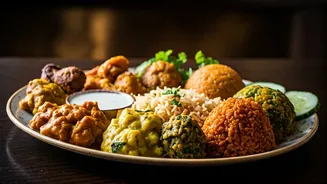
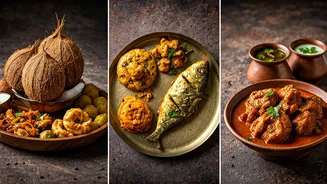
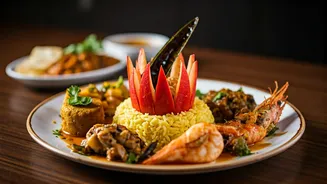
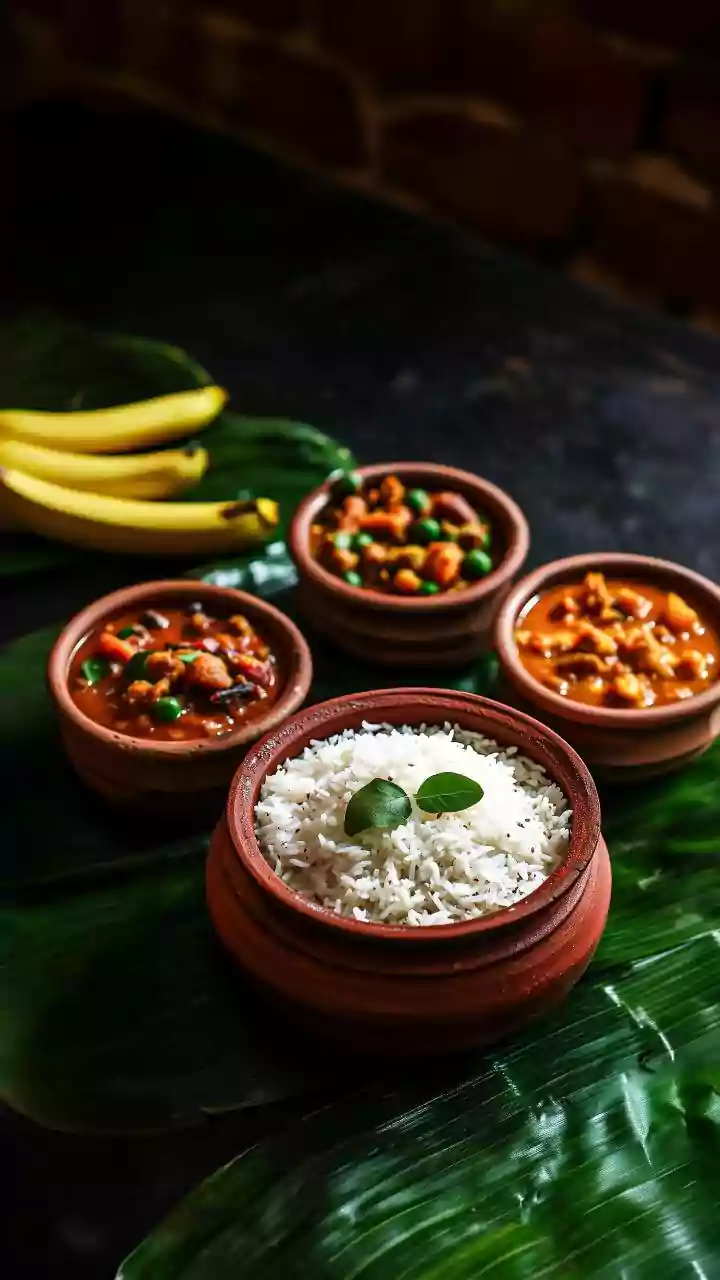
Indian cuisine is not one story; it's a library of diverse culinary traditions, each shaped by geography, climate, and culture. On one hand, you have Konkani cuisine from the country's western coastline. It’s a cuisine that speaks of the sea, with fresh
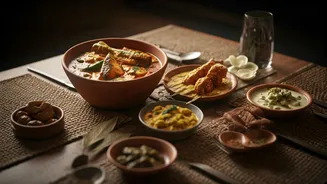
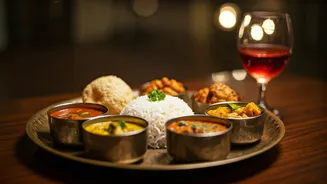
coconut, tangy kokum, fresh seafood, and rice as its heroes. Dishes like Kombdi Vade (a spicy chicken curry with rice-flour puris) or the refreshing Sol Kadhi are staples that taste of the sun and the shore. On the other extreme lies the cuisine of Kashmir, a region of breathtaking mountains and cooler climes. Here, the food is rich, robust, and deeply aromatic, influenced by Persian and Central Asian traditions. The star is often meat, prepared in elaborate multi-course feasts known as Wazwan. Think of succulent Rogan Josh, creamy Yakhni, and the velvety Goshtaba, where flavours are built with yogurt, fennel, saffron, and warming spices rather than the sour notes of the coast.
The New Culinary Bridge
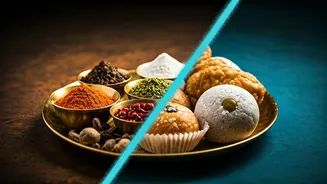
For years, these regional identities remained distinct. But today, a new generation of chefs is rewriting the rules. They are culinary cartographers, charting a new map of India that connects disparate regions through ingredients and ideas. Instead of serving a simplified, generic 'Indian food', they are proudly championing hyper-regional produce and reviving forgotten recipes with contemporary techniques. Restaurants like Masque in Mumbai, helmed by Chef Varun Totlani, and Ekaa, led by Chef Niyati Rao, are at the forefront of this movement. They don't just replicate old dishes; they create new narratives. Their philosophy is ingredient-driven, sourcing the best produce from across the country—be it rainbow trout eggs from Kashmir, sea urchin from the South, or prickly pear from Maharashtra—and placing it at the heart of their creations.
A Plateful of Innovation
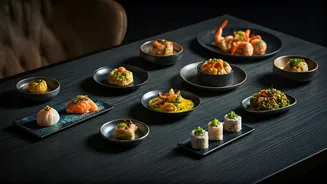
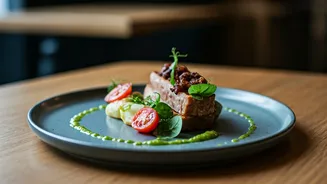
So what does this fusion look like on a plate? It's about thoughtful pairings, not chaotic collisions. At Masque, you might find a classic like makkai mathri (corn crisps) served with charred corn and a dusting of Kashmiri chilli, uniting a humble snack with a prized regional spice. The restaurant's 10-course tasting menu is a journey across India's terroir, marrying tradition with avant-garde innovation. Similarly, Chef Niyati Rao of Ekaa, who trained at the world-renowned Noma, creates dishes inspired by India's diverse terrains. Her menus are known for surprising combinations that challenge perceptions while offering comforting familiarity. This could mean blending the techniques of Nagaland with the produce of Odisha, or using a traditional Konkan ingredient in a way that feels entirely new. It’s a style that respects the soul of the ingredient while giving it a modern voice.
More Than Just a Meal
This movement is about more than just exciting food. It reflects a newfound confidence in India’s culinary heritage. For too long, fine dining in India often meant looking towards European techniques and ingredients. Now, chefs are looking inward, celebrating the subcontinent's immense biodiversity. By building direct relationships with farmers and producers, they are not only ensuring quality but also preserving agricultural heritage. This ingredient-first philosophy is creating a more sustainable and authentic form of modern Indian gastronomy. It's a celebration of complexity and nuance, a renewed pride in regional identity that is finally getting its due on the global stage.