



The End of All-or-Nothing Eating
For generations, festive eating in India has often followed an all-or-nothing pattern: periods of strict fasting followed by unrestrained indulgence. This culinary seesaw, while deeply rooted in tradition, is now being re-evaluated in many households.
The new mantra is not deprivation but balance. Instead of forbidding favourite dishes, families are embracing portion control, mindful indulgence, and a more sustainable approach to celebratory meals. Nutritionists observe that this trend is a welcome move away from associating guilt with food, fostering a healthier, year-round relationship with eating that doesn't need to be abandoned when celebrations begin.
A New Health Consciousness
A primary driver of this change is a growing, mainstream awareness of lifestyle-related health issues. With conditions like diabetes, hypertension, and heart disease becoming increasingly prevalent in India, the connection between diet and long-term wellness is clearer than ever. This has led many to question the wisdom of consuming excessive amounts of sugar, refined flour, and unhealthy fats, even for a few weeks a year. The focus has shifted from short-term festive enjoyment to long-term family health, prompting a re-evaluation of every ingredient that goes into the festive pot. This is not about fear, but about a proactive desire to celebrate for many more years to come.
Not a Rejection, But a Refinement
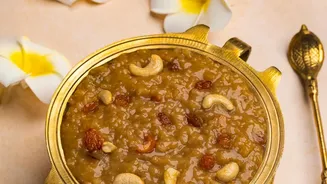
This shift is not a rejection of culture, but a thoughtful refinement of it. Traditional recipes are being adapted with simple, clever swaps that enhance nutrition without sacrificing flavour. Refined sugar is making way for the earthy sweetness of jaggery or dates. Polished rice and white flour are being replaced by nutrient-dense whole grains and millets like ragi and jowar. Deep-frying, once the default for festive snacks like samosas and chaklis, is now often substituted with baking or air-frying. Homemade sweets are also seeing a resurgence, as they allow for complete control over the quality and quantity of ingredients used. These small changes allow families to honour their culinary heritage in a way that aligns with modern health values.
The Modern Family's New Rhythm
Changing social structures also play a significant role. The shift from large joint families to smaller, nuclear units means the labour-intensive process of preparing elaborate feasts is often impractical. With dual-income households and packed schedules, time is a precious commodity. Consequently, families are opting for simpler menus or even outsourcing parts of the festive meal. This practical constraint has an unintended wellness benefit: less food is prepared, which naturally encourages more mindful consumption and less wastage. The focus remains on the spirit of togetherness, which is enhanced when the hosts are not exhausted by days of cooking.
A Balanced Plate, a Joyful Spirit
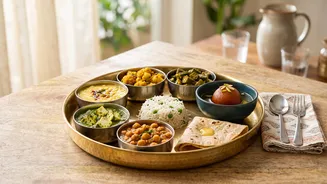
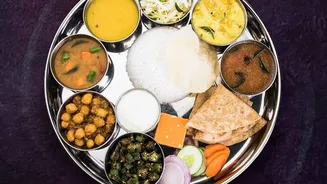
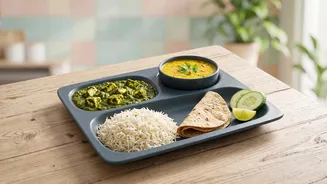
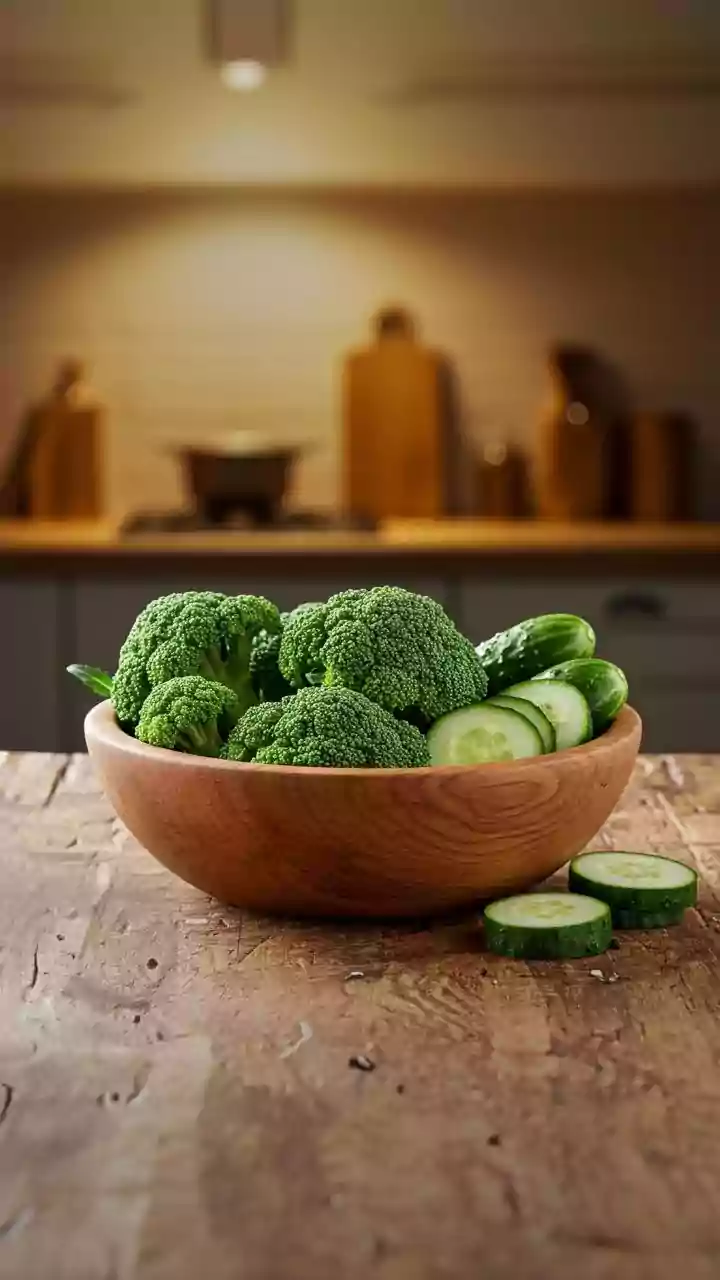
Experts recommend a simple strategy for navigating festive spreads: the balanced plate method. This involves filling half your plate with vegetables or salad, a quarter with protein like dal or paneer, and the final quarter with carbohydrates such as roti or rice. This approach ensures you get essential fibre and nutrients, which help you feel full and reduce the temptation to overindulge in heavier dishes. Similarly, many are adopting the “one-sweet rule”—choosing to savour one favourite mithai mindfully instead of sampling a little of everything. It’s a practical technique that empowers people to participate fully in the feast without the post-festival feeling of regret.