







1. Safeguard Your Health
The monsoon is peak season for water-borne diseases like typhoid, cholera, and leptospirosis, as well as vector-borne illnesses like dengue and malaria. Prioritise drinking boiled or purified water. Avoid eating raw or uncovered street food, as it can
be easily contaminated. Ensure your surroundings are clean and free of stagnant water, which are breeding grounds for mosquitoes. Using mosquito nets and repellents, especially during dawn and dusk, is non-negotiable.
2. Keep Your Home Dry and Mould-Free
Constant dampness can lead to mould and mildew, which can damage walls, furniture, and even trigger allergies. Ensure proper ventilation by opening windows whenever it isn't raining. Use dehumidifiers or place moisture-absorbing products like silica gel packs in closets and closed spaces. A traditional and effective method is to keep camphor balls or neem leaves in wardrobes to ward off musty smells and insects.
3. Waterproof Your Commute
Navigating waterlogged streets is a major monsoon headache. Invest in a sturdy umbrella and waterproof footwear. If you drive, check your car's tyres, brakes, and wipers before the season starts. Drive slowly and avoid flooded roads where possible, as submerged potholes or open manholes can be incredibly dangerous. For two-wheeler riders, a good quality raincoat and a waterproof cover for your phone and wallet are essential.
4. Protect Your Electronics
High humidity is the enemy of electronic gadgets. It can cause short circuits and permanent damage. Keep your devices like laptops, phones, and cameras in waterproof bags when travelling. At home, avoid placing them near open windows. Using surge protectors is also a wise move to shield your expensive appliances from voltage fluctuations and power surges common during thunderstorms.
5. Master the Art of Drying Clothes
Getting clothes to dry is a universal monsoon struggle. The dampness can leave them smelling musty. Wash smaller loads more frequently rather than letting a large pile accumulate. After wringing them out thoroughly, hang them on a drying rack indoors in a well-ventilated room, preferably with a fan running to speed up the process. Ironing clothes when they are slightly damp can also help remove the last bit of moisture and kill any mildew-causing bacteria.
6. Adjust Your Skincare Routine
The humidity can make your skin feel oily and sticky, leading to breakouts. It's also a prime time for fungal infections. Switch to a lightweight, non-comedogenic moisturiser and a gel-based face wash. Don't skip sunscreen just because it's cloudy; UV rays can still penetrate the clouds. Keep your skin, especially areas like your feet and skin folds, dry to prevent fungal growth. A good anti-fungal powder can be a lifesaver.
7. Pest-Proof Your Living Space
The rains bring all sorts of creepy-crawlies out of their hiding spots and into your home. Seal any cracks or holes in your walls and around pipes to block their entry. Keep your kitchen and dining areas scrupulously clean, storing food in airtight containers. Use natural repellents like peppermint oil or vinegar, or install insect screens on windows and doors to keep mosquitoes, cockroaches, and other pests at bay.
8. Prepare for Power Cuts
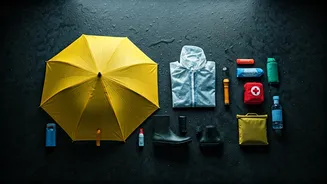
Thunderstorms and heavy winds often lead to frequent power cuts. Be prepared by having an emergency kit ready. This should include torches, spare batteries, a fully charged power bank for your mobile phone, a first-aid kit, and some non-perishable snacks. Candles and matchboxes are also good to have on hand, but always use them with caution and never leave them unattended.
9. Care for Your Leather Goods
Leather shoes, bags, and belts are particularly vulnerable to the monsoon. Moisture can cause fungus to grow, ruining the material. Avoid wearing them out in heavy rain. If they do get wet, don't dry them with direct heat. Instead, stuff them with newspaper to absorb the moisture and let them air dry naturally. Store them in a cool, dry place, preferably in a cloth bag, to prevent mildew.
10. Boost Your Immunity
The change in weather can make you more susceptible to colds, flu, and other viral infections. Strengthen your immune system by maintaining a balanced diet rich in Vitamin C. Include plenty of fresh fruits, vegetables, and whole grains. A warm bowl of soup or a cup of herbal tea with ginger and tulsi can be both comforting and beneficial for your health during this season.