


What’s Really in That Store-Bought Treat?
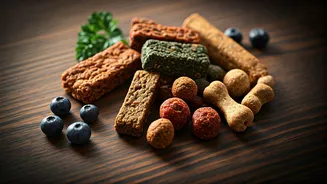
We’ve all done it: grabbed a bag of colorful, bone-shaped treats without a second thought. But a quick glance at the ingredient list on many mass-produced pet snacks can be revealing—and not in a good way. Often, they are packed with fillers like corn
and soy, which offer little nutritional value and can be allergens for some pets. Worse, you might find artificial colors (like Red 40 or Yellow 5), chemical preservatives (such as BHA or BHT, which are controversial for both pets and humans), and artificial sweeteners or flavor enhancers designed to make a bland product more appealing. While not every processed treat is a villain, many are the pet equivalent of human junk food: high in empty calories and questionable additives, offering a fleeting moment of satisfaction but little long-term benefit.
A Healthier, Happier Alternative
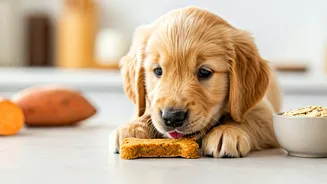
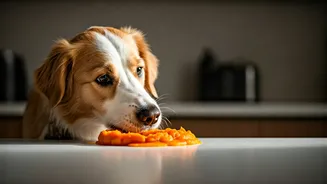
Enter the boutique pet bakery. This growing industry is a direct response to the “pet humanization” trend, where owners increasingly view their pets as integral family members deserving of high-quality care and nutrition. These bakeries ditch the artificial junk in favor of whole, human-grade ingredients. Think of them as the farm-to-table restaurants of the pet world. They create treats that are not only safer and more nutritious but also made with genuine care. The philosophy is simple: if you wouldn’t eat it, why should your pet? This shift moves treat-giving from a mindless habit to a mindful act of love, ensuring that what you give your pet contributes to their well-being, especially on a day as special as their birthday.
How to Spot a Quality Treat
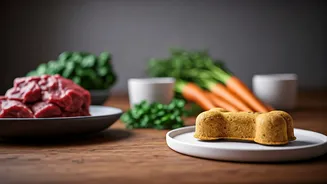
When you're shopping at a pet bakery or evaluating an online option, the ingredient list is your best friend. Look for a short, recognizable list. Excellent base flours include whole wheat, oat, or chickpea flour instead of processed white flour or corn meal. Natural binders like eggs, pumpkin puree, or unsweetened applesauce are great signs. For sweetness and flavor, high-quality treats use ingredients like honey, molasses, peanut butter (ensure it's xylitol-free), and carob powder as a safe chocolate substitute. For coloring, they’ll use natural sources like beet powder for red, spirulina for green, or turmeric for yellow. If the list is long, full of chemical-sounding names, or vague terms like “meat by-product,” it’s best to steer clear. A trustworthy baker will be transparent about every single ingredient.
Beyond Biscuits: The Gourmet Menu
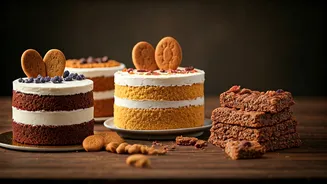
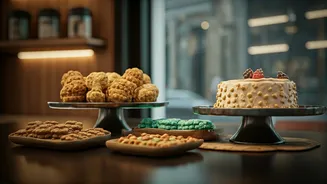
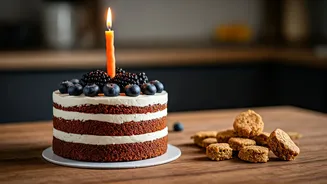
The real fun of a pet bakery is the creativity. You're not just buying a better-for-you biscuit; you're often purchasing a miniature work of art. These bakeries specialize in celebratory items that make for incredible photo ops and a very happy pet. You can find personalized birthday cakes shaped like bones or paws, frosted with pet-safe yogurt or cream cheese icing and decorated with their name. Many offer “pupcakes” (the canine version of a cupcake), “dog-nuts” (baked, not fried, and decorated with carob), and intricately decorated cookies for every holiday. It’s a way to let your pet safely participate in the festive spirit of a celebration, giving them their very own special dessert while the humans have theirs.
Where to Find These Canine Confections
Ten years ago, finding a dedicated pet bakery was a novelty. Today, it’s easier than ever. Start with a local search: a simple query for “pet bakery near me” will likely yield several options in most metropolitan areas, from standalone storefronts to stalls at your local farmers' market. Don't discount your neighborhood pet boutique, as many stock treats from local bakers. If you’re in a more rural area, the internet is your best resource. Online platforms like Etsy are a treasure trove of independent pet bakers who can ship custom-made cakes and treats directly to your door. When ordering online, just be sure to check reviews for freshness and shipping quality, and order well in advance of the big day.