




What Exactly Is Fluted Glass?
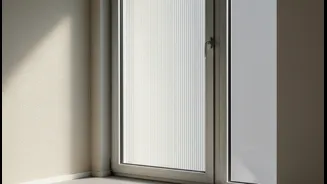
Often called reeded or ribbed glass, fluted glass is a type of textured glass featuring a series of vertical grooves pressed into its surface. This isn't a new invention; it was a hallmark of the Art Deco movement in the 1920s and is now being rediscovered
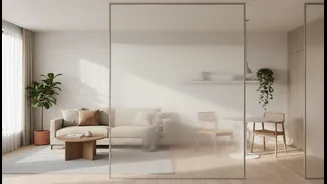
by a new generation of interior designers and homeowners. Unlike flat, clear glass, these decorative grooves play with light and perception. The result is a translucent panel that allows light to pass through but obscures the view, blurring shapes and creating a sense of privacy. This unique quality is precisely why it’s becoming a go-to material for modern interiors, especially in India where compact living demands clever design solutions.
The Magic of Diffused Light
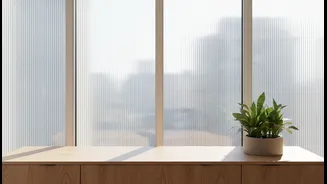
The primary superpower of fluted glass is its ability to manage light. In a small apartment, natural light is a precious commodity that makes a space feel larger and more inviting. Solid walls are the enemy of light, creating dark corners and a cramped feeling. Clear glass partitions solve the light problem but offer zero privacy. Fluted glass provides the perfect compromise. Its ribbed surface catches and diffuses light, scattering it softly throughout a room and reducing harsh glare. This creates a bright, ambient glow while preventing a clear line of sight, allowing for a space that feels both luminous and comfortably private.
Creating Zones Without Walls
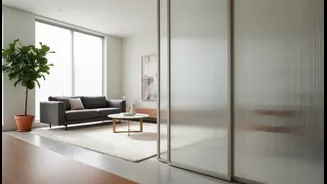
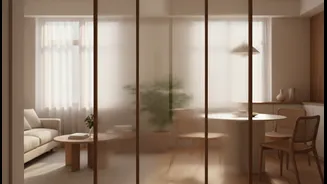
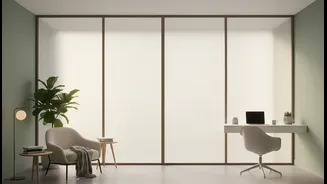
Open-plan living is popular in compact homes because it creates a sense of spaciousness. However, the lack of boundaries can make a home feel chaotic—the kitchen is in the living room, and the home office is in the bedroom. Fluted glass offers an elegant solution for creating distinct zones without building solid walls. A sliding fluted glass partition can separate a sleeping area from a living space in a studio apartment, or screen off a kitchen from the dining area. This creates a subtle visual boundary that provides a sense of enclosure and intimacy without making the space feel confined, maintaining the airy, open feel that small homes need.
Practical Uses in the Modern Home
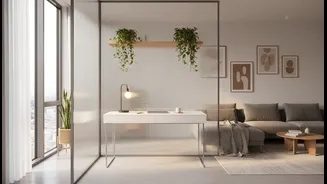
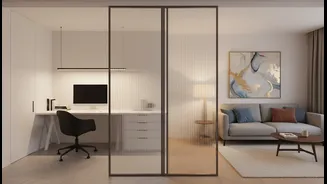
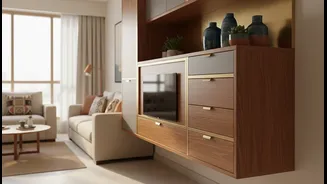
The versatility of fluted glass means it can be incorporated in numerous ways. In kitchens, it’s being used for cabinet doors; the contents are softly obscured, so you don't need perfectly curated shelves to avoid a cluttered look. In bathrooms, it’s an ideal material for shower screens, offering privacy while keeping the space feeling bright and open. Internal doors and partitions with fluted glass panels can also bring light into windowless hallways or create a dedicated home office nook that feels separate but not isolated. Its vertical lines also create a clever visual trick, drawing the eye upward and making ceilings appear higher, a significant benefit in smaller rooms.
An Enduring, Elegant Aesthetic
Beyond its functional benefits, fluted glass brings a unique textural and decorative element to an interior. Flat surfaces can sometimes feel sterile, but the ribbed texture of fluted glass adds depth, sophistication, and visual interest. It catches the light and creates shifting patterns of shadow and highlight as you move around the room. This touch of elegance, reminiscent of a boutique hotel, elevates a space from purely functional to intentionally designed. Its recent surge in popularity in India is linked to the rise of warm, minimalist aesthetics like 'Japandi' (a mix of Japanese and Scandinavian design), which values natural textures and understated style. This suggests it's not just a fleeting trend but a lasting material choice for creating refined, comfortable homes.