




The End of the Annual Vacation Era
For decades, the great Indian holiday was a carefully planned, once-a-year affair. It involved saving up, booking train tickets months in advance, and embarking on a long journey to a faraway place like Shimla, Goa, or Kerala. This annual pilgrimage was the primary
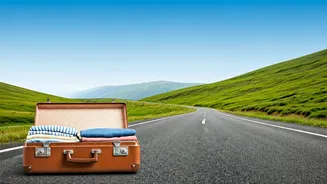
escape from the daily grind. But today, that model is being complemented, and in many cases, replaced by a more agile and frequent form of travel. The new mantra is not about one big trip, but many small ones. The long weekend—a three- or four-day window of opportunity—has become the perfect canvas for this new travel appetite. It's a shift from marathon to sprint, where the goal is a quick, refreshing reset rather than a complete system reboot.
What’s Driving This Travel Revolution?
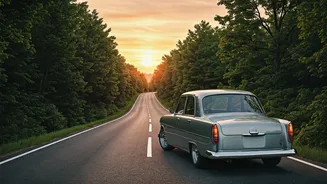
Several factors are fuelling this boom in micro-vacations. The post-pandemic mindset of “revenge travel” kickstarted the trend, as people yearned to break free from lockdowns. But it has since evolved into a sustainable habit. The rise of hybrid and remote work offers newfound flexibility, allowing many to extend a weekend without dipping too far into their leave balance. More importantly, rising disposable incomes among the urban middle class mean that travel is less of a luxury and more of an accessible lifestyle choice. Coupled with significantly improved road networks and highways, the idea of a five-hour drive to a hill station or a coastal town is no longer a daunting prospect but an exciting one. This confluence of desire, means, and accessibility has turned every long weekend into a potential travel event.
The Anatomy of a Modern Short Trip
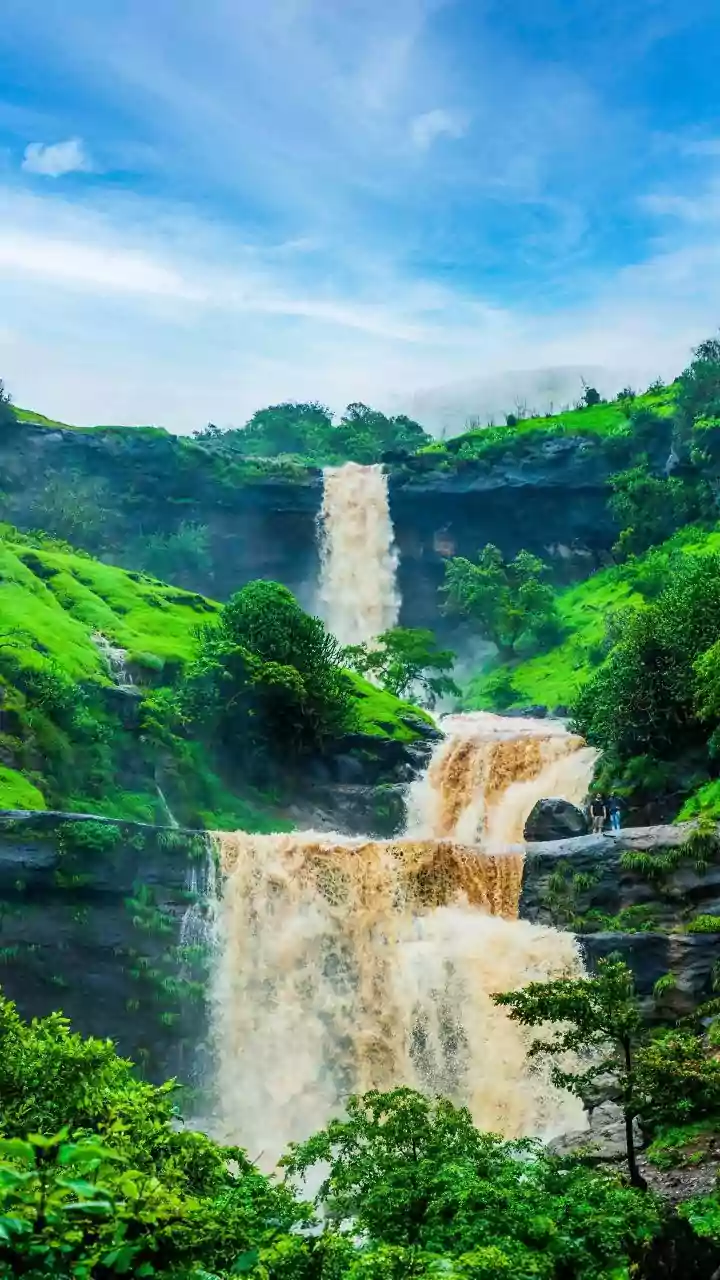
So, what does this new-age short trip look like? It's typically planned for a destination within a 200-400 kilometre radius, making it a comfortable drive away. Gone are the days of exclusively booking large, impersonal hotels. Travellers are now seeking unique experiences, leading to a surge in demand for boutique hotels, charming homestays, and eco-friendly resorts. The focus has shifted from mere sightseeing to immersive activities. A long weekend trip might revolve around a food trail in a small town, a trek to a hidden waterfall, a wellness retreat focused on yoga and meditation, or simply unwinding at a serene property with a good book. It’s less about ticking off a checklist of tourist spots and more about the quality of the experience and the feeling of having truly disconnected, even if just for 72 hours.
A Boost for Local Economies
This trend is not just changing how we travel; it's reshaping the tourism economy. While major tourist hubs still draw crowds, it’s the smaller, once-overlooked towns near metropolitan cities that are the biggest beneficiaries. Places like Karjat and Igatpuri near Mumbai, Nandi Hills near Bengaluru, or the Neemrana area near Delhi have transformed into bustling weekend destinations. This decentralisation of tourism spreads the economic benefits, creating jobs and opportunities in local communities. Homestay owners, local guides, and small restaurateurs are finding a new, consistent stream of income driven by this urban exodus every long weekend. Online travel agencies and hospitality brands have been quick to adapt, curating special “long weekend packages” and highlighting drivable getaways to cater to this massive, predictable surge in demand.