

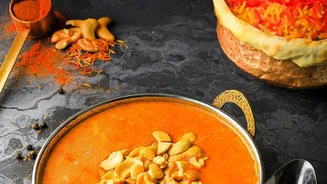


The Quest for Creaminess
In the world of Indian cuisine, 'creamy' signifies more than just a texture; it represents a luxurious mouthfeel that mellows and balances complex spices. Traditionally, this is achieved with dairy products like heavy cream (malai), yoghurt (dahi), or fresh
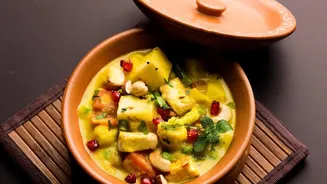
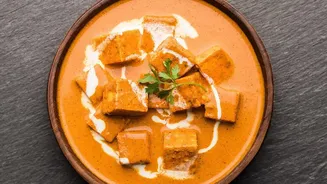
cheese (paneer), particularly in North Indian cooking. These ingredients don't just add fat and body; they also provide a subtle tang or sweetness that rounds out the flavour profile. For those who are lactose intolerant, vegan, or simply looking to explore new culinary horizons, the good news is that the Indian pantry is already stocked with brilliant plant-based alternatives that deliver that same coveted richness.
The Magic of Melon Seeds (Magaz)
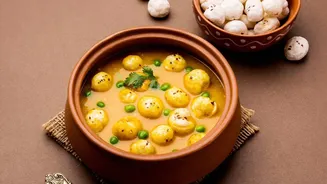
The star of many royal Mughlai preparations is a humble ingredient: melon seeds. Often sold as 'magaz,' these are typically hulled and dried seeds from muskmelons or watermelons. When soaked and ground into a fine paste, these seeds create a base that is remarkably creamy and thick, with a very neutral flavour that doesn't overpower the main ingredients. This makes them incredibly versatile for all kinds of curries, from a rich korma to a simple vegetable gravy. To use them, simply soak the seeds in warm water for about 20-30 minutes, then drain and grind them with a little fresh water in a blender until you have a smooth, white paste ready to be added to your curry base.
The Go-To: Nut Pastes
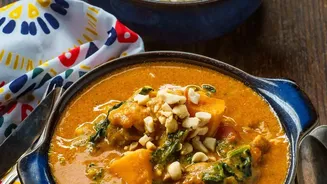
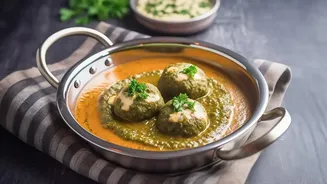
Perhaps the most well-known dairy-free thickeners are nut pastes, primarily made from cashews and almonds. Cashews are prized for their high fat content, which yields an exceptionally creamy, almost buttery paste with a hint of sweetness. They are a perfect substitute for cream in dishes like Malai Kofta or Butter Chicken adaptations. Almonds, on the other hand, provide a slightly grainier texture and a more pronounced nutty flavour. Blanched almonds are often preferred to avoid specks of skin in the final gravy. For both, the method is the same as with melon seeds: soak the raw nuts in hot water for at least 30 minutes to soften them before blending into a smooth paste.
The Coastal Classic: Coconut Milk
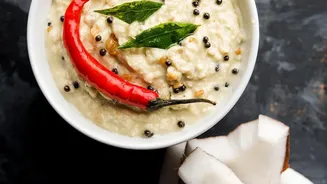
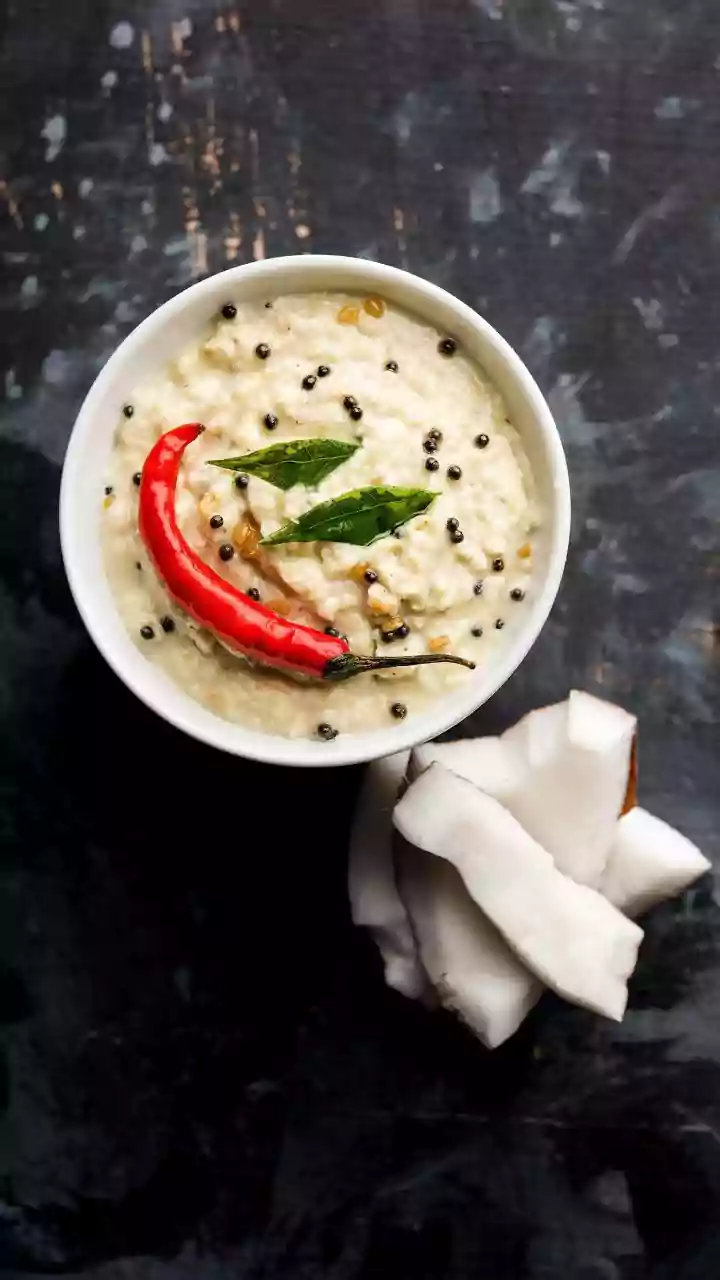
No discussion of creamy Indian curries is complete without mentioning coconut. A staple in South Indian, Goan, and coastal cuisines, coconut milk lends a distinctively sweet and fragrant creaminess that pairs beautifully with tangy tamarind, fiery chillies, and fragrant curry leaves. From a Goan fish curry to a Keralan vegetable stew (Olan), coconut milk is the hero ingredient. While North Indian cuisine uses it less traditionally, many modern restaurants and home cooks now use it for a lighter take on classic dishes. Both canned and freshly made coconut milk work well, with the latter offering a fresher, more delicate flavour.
The Secret Weapon: Poppy Seeds
White poppy seeds, known as 'khus khus' in Hindi or 'posto' in Bengali, are another fantastic traditional thickener. When ground into a paste, they impart a unique nutty, earthy flavour and a thick, rich consistency. They are the star of many Bengali dishes, such as Aloo Posto (potatoes in poppy seed paste), but are also used in some Mughlai and Maharashtrian recipes to add body to gravies. Like melon seeds, they should be soaked before grinding to ensure a smooth, non-gritty paste. Their flavour is more assertive than that of melon seeds or cashews, offering a unique profile for those looking to experiment.