



Gaganyaan: A Quick Refresher
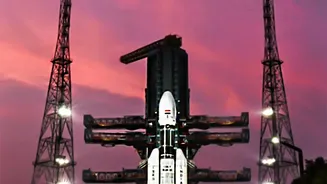
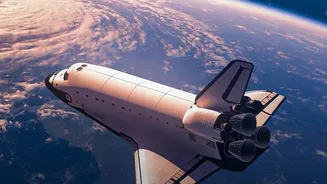
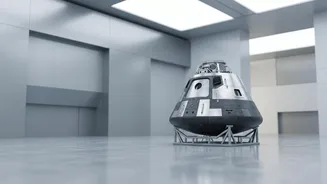
The Gaganyaan programme is India’s ambitious initiative to send a crew of three astronauts into a 400-kilometre orbit around the Earth for a three-day mission. Upon successful completion, India will join the elite group of nations—the United States, Russia,
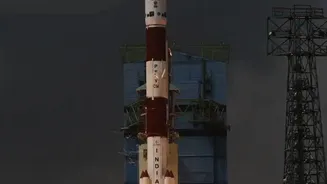
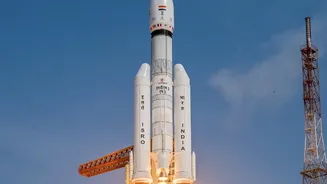
and China—capable of independent human spaceflight. The mission involves a human-rated launch vehicle, the LVM3, an orbital module for the crew, and a robust crew escape system. Before astronauts, or 'Vyomnauts', make the journey, ISRO is conducting a series of uncrewed test flights to validate every single system.
The Ultimate Safety Net: Abort Tests
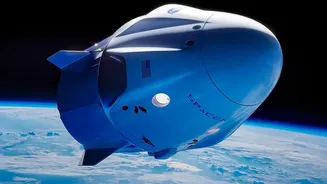
When you're sitting atop a rocket filled with propellants, you need a reliable escape plan. This is where the Crew Escape System (CES) comes in. ISRO has been conducting a series of 'abort tests' to prove this system can whisk the crew module and its occupants away from the rocket in case of an emergency at any stage of the launch. These tests simulate failures, from an issue on the launch pad to a problem high in the atmosphere. A successful Test Vehicle Demonstration Mission (TV-D1) already showcased the system's ability to separate the crew module at an altitude of around 17 km, perform necessary manoeuvres, and deploy its parachutes for a safe descent. This capability is non-negotiable for human-rated missions, as astronaut safety is the absolute highest priority.
From Sky to Sea: Splashdown Perfection
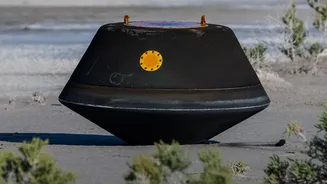
Getting to orbit is only half the journey; coming home safely is the other. The Gaganyaan crew module is designed to return to Earth and splash down in the Indian Ocean. To ensure this landing is gentle and predictable, ISRO is conducting Integrated Air Drop Tests (IADT). In these exercises, a mock-up of the crew module is dropped from an aircraft, like an Indian Air Force IL-76 or a Chinook helicopter, from a significant altitude. This initiates a complex and precisely timed sequence involving ten parachutes of four different types. First, drogue parachutes deploy to stabilize and slow the module from high speed. Then, main parachutes open to reduce the speed further, ensuring a soft landing on the water's surface. These tests validate the entire deceleration system, which is crucial for the crew's survival.
A Symphony of Systems
These tests are more than just checking one component. They are about ensuring a symphony of interconnected systems works in perfect harmony. From the pyro-based mortars that deploy the parachutes to the Crew Module Uprighting System (CMUS) that uses gas-filled flotation bags to ensure the capsule stays upright after splashdown, every detail is being perfected. ISRO has also validated the systems that separate the crew module from its service module and the apex cover that protects the parachutes during re-entry. Joint efforts with the DRDO, Indian Air Force, and Indian Navy are critical for these operations, from dropping the test articles to recovering them from the sea.
What Comes Next on the Road to Space?
With these successful tests, ISRO is building confidence and gathering crucial data for the next phases of the Gaganyaan programme. The first of several uncrewed orbital missions, designated G1, is on the horizon and targeted for 2026. This flight will test the entire mission profile from launch to re-entry and recovery without any astronauts on board. Following a series of such validation flights, India plans to launch its first crewed mission by late 2027 or early 2028. The four astronaut-designates are already undergoing extensive training for this historic flight. Each successful test brings India one step closer to making history and marking its presence as a major spacefaring nation.