


More Than Just a Boat Ride
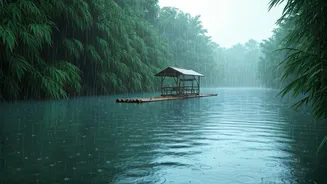
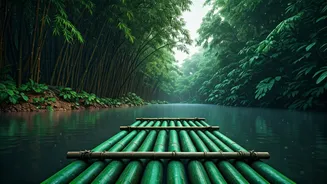
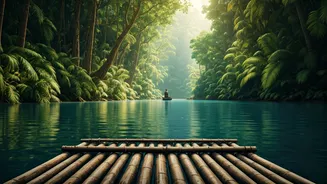
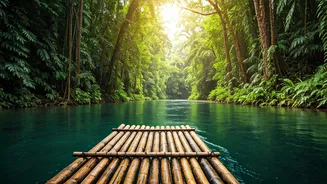
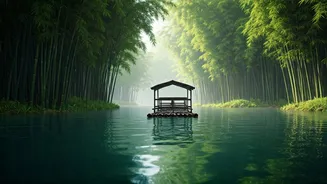
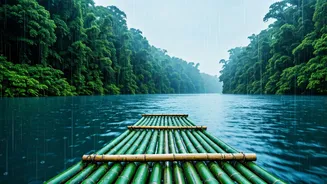
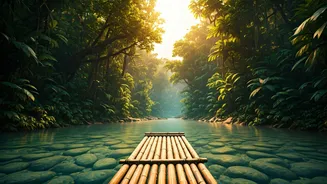
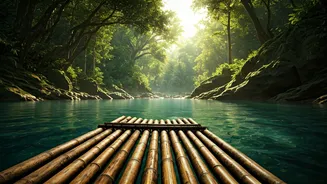
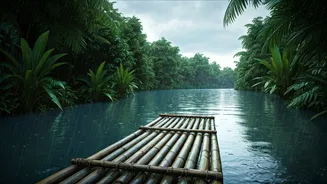
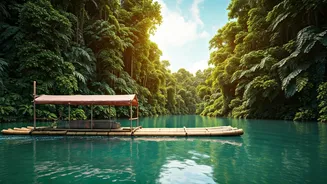
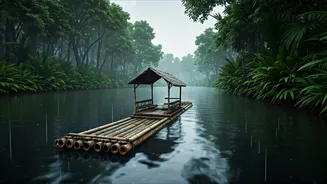
So, what exactly is bamboo rafting? At its core, it’s beautifully simple. Large, sturdy bamboo stalks are lashed together to create a stable, flat raft. Propelled by a guide using a long bamboo pole, these rafts glide silently across calm rivers, lakes,
and backwaters. Unlike the adrenaline-fuelled chaos of whitewater rafting, this is an experience defined by tranquility. There are no roaring rapids or frantic paddling. Instead, the journey is about absorption—soaking in the sights and sounds of the surrounding ecosystem at a pace dictated by the water and the gentle push of the pole. It’s a return to an ancient mode of transport, repurposed for the modern traveller seeking connection over conquest.
The Allure of Slow Adventure
The rising popularity of bamboo rafting isn't a coincidence; it’s a direct response to our hyper-connected, fast-paced world. Many adventure seekers are now looking for experiences that offer a genuine escape, not just a temporary thrill. This is the heart of the ‘slow adventure’ movement. It prioritises depth over distance, and connection over speed. Bamboo rafting is its perfect embodiment. As you drift along, the only sounds are the lapping of water, the call of a distant bird, and the whisper of the wind through the trees. It’s a forced mindfulness, an opportunity to disconnect from screens and reconnect with the natural world. This eco-conscious activity also appeals to the growing number of travellers who want to minimise their environmental footprint, offering a sustainable way to explore fragile ecosystems without disturbing them.
A Front-Row Seat to Nature's Theatre
The slow, silent movement of a bamboo raft makes it an unparalleled platform for wildlife spotting. In places like Kerala’s Periyar Tiger Reserve, you become a quiet observer in a world teeming with life. As you float near the banks, you might spot a herd of elephants drinking at the water’s edge, a family of sambar deer grazing peacefully, or a solitary wild boar. The birdwatching is often spectacular, with kingfishers, egrets, and hornbills making frequent appearances. The low vantage point from the raft offers a unique perspective, making you feel part of the landscape rather than just a visitor passing through. The guide, often a member of a local tribal community, will point out flora and fauna you might otherwise miss, sharing deep-rooted knowledge of the forest.
Where to Experience the Magic
While bamboo rafting is offered in several parts of India, a few destinations stand out for their exceptional experiences. Thekkady, in Kerala, is arguably the most famous. The rafting programs within the Periyar Tiger Reserve range from a few hours to a full day, often combined with a trek through the forest. It’s a well-organised, conservation-focused experience. Another gem in Kerala is Wayanad, particularly on the serene waters surrounding Kuruvadweep (Kuruva Island). Here, the rafting feels more intimate as you navigate the gentle streams of the Kabini River. In Karnataka, Coorg offers bamboo rafting on stretches of the Kaveri river, often near the Dubare Elephant Camp, providing a different but equally scenic backdrop of coffee plantations and lush greenery.
What to Know Before You Go
The beauty of bamboo rafting lies in its accessibility. You don’t need any prior experience or a high level of fitness. However, a few tips can make your trip more enjoyable. Wear comfortable, quick-drying clothes and shoes you don't mind getting wet. A hat, sunscreen, and insect repellent are essential. Pack a pair of binoculars for better wildlife viewing and a waterproof bag for your phone and camera. Most organised tours provide life jackets, drinking water, and sometimes a packed lunch for longer trips. It’s always best to book through official forest department channels or reputable tour operators. This ensures your safety and contributes to local conservation efforts and community welfare.