



Your Car's Pre-Monsoon Health Check
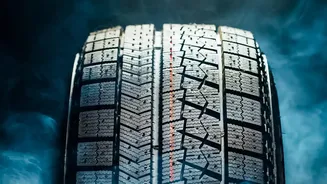
Before you even think about packing, your vehicle needs a thorough inspection. Wet, winding roads are unforgiving, and a pre-trip check is non-negotiable. Start with your tyres, the only part of your car connecting you to the slippery road. Ensure they
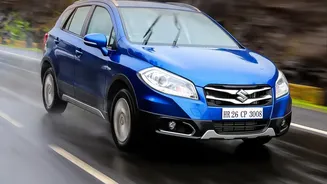
have a tread depth of at least 2-3mm to prevent hydroplaning, where your car loses traction on a wet surface. Also, check the tyre pressure, including the spare. Next, inspect your brakes. They should be responsive, not spongy, and the brake fluid should be at the correct level and clean. In heavy rain and fog, visibility is life, so test all your lights: headlights (both high and low beam), tail lights, brake lights, and indicators. Finally, don't forget your wiper blades. Summers in India can leave them cracked and stiff; replace them if they leave streaks. A clear windshield is critical when navigating downpours on a dark ghat road.
The Essential Overnight Ghat Kit
Packing for a rainy ghat trip goes beyond just clothes. Your emergency kit is your best friend if you get stranded. Start with a powerful flashlight with extra batteries, as your phone's torch won't be enough. A comprehensive first-aid kit is a must. Pack a high-visibility jacket and a reflective warning triangle for use in case of a breakdown. Given the unreliable network in remote areas, a fully charged 20,000 mAh power bank is crucial. Keep offline maps of your route downloaded on your phone. Pack non-perishable snacks like granola bars and nuts, along with plenty of drinking water. It's also wise to carry a tow rope and basic tools. For personal comfort and safety, include a raincoat, an umbrella, and waterproof bags to protect your electronics and documents.
Smart Driving on Twisting, Wet Roads
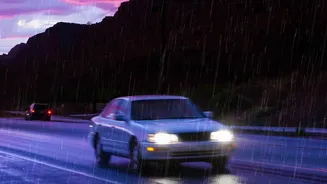
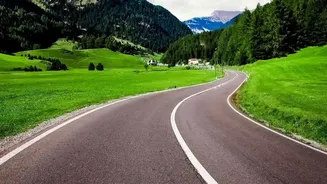
Driving on ghat roads during a rainy night is a test of skill and patience. The golden rule is to slow down significantly. Your braking distance increases dramatically on wet surfaces, so maintain a much larger gap between your vehicle and the one ahead. Use your headlights on low beam even during the day if it's overcast or raining heavily to ensure other drivers can see you. When taking sharp, blind curves, honk to alert oncoming traffic. A critical rule of ghat driving is to give way to vehicles coming uphill, as it's much harder for them to restart from a standstill on an incline. Always drive in a lower gear than you would on a plain, especially when going downhill. This technique, known as engine braking, gives you more control and reduces wear on your brakes. Never coast in neutral to save fuel; it's incredibly dangerous on a slope.
Navigating Night-Time Hazards and Fatigue
Driving overnight introduces the significant risk of fatigue. Ensure you are well-rested before you begin your journey. It's best to avoid driving after dark in heavy rain if possible, as visibility can drop to almost zero in seconds. If you must drive at night, plan to take breaks every 90 to 120 minutes to stretch and refresh yourself. Fog is a common problem in the ghats, which can be disorienting at night. If your windows fog up from the inside, use your air conditioner and direct the airflow to the windshield to clear it quickly. Landslides and fallen rocks are a real danger during the monsoon. Be extra vigilant, watch for warning signs, and never stop your vehicle directly under a cliff face or a gushing waterfall. If visibility becomes too poor to proceed safely, find a secure spot to pull over completely off the road and wait for conditions to improve.
Handling Breakdowns and Emergencies
Even with the best preparation, things can go wrong. If your car breaks down, your first priority is safety. Move the vehicle to the shoulder if possible, switch on your hazard lights, and place the reflective warning triangle a safe distance behind your car to alert other drivers. If you are stranded, it is generally safest to stay with your car, as it provides shelter. Inform a friend or family member of your location and situation. Never attempt to cross a road that is flooded, especially if the water is flowing. It's impossible to judge the depth or see hidden potholes and open drains. If your car stalls in water, do not try to restart the engine, as this can cause severe damage. Instead, call for roadside assistance. When driving on ghats, remember that local knowledge is invaluable. If you see locals avoiding a certain route, it's wise to follow their lead.