



The Rules of the Roadblock
As winter approaches, Delhi braces for its annual battle with toxic air. A key weapon in the government's arsenal is the Graded Response Action Plan (GRAP), a set of emergency measures that become stricter as air quality worsens. For commercial drivers,
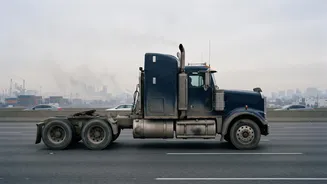
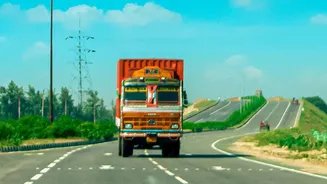
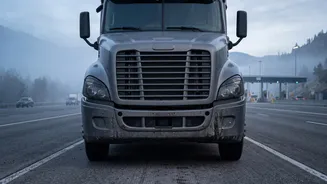
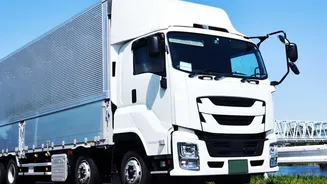
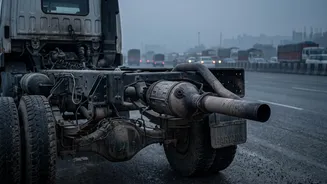
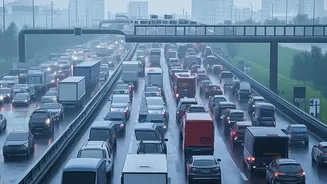
this means navigating a complex and ever-changing web of restrictions. As of November 1, 2026, a major rule change takes effect: commercial goods vehicles, including trucks and buses, that do not meet BS-VI emission standards will be barred from entering Delhi. This restriction applies to all light, medium, and heavy goods vehicles registered outside the capital. The only exceptions are for vehicles running on CNG or electricity, or those that are BS-VI compliant. This is a step up from previous years, where some older vehicles were allowed entry during certain periods. These rules are layered on top of existing daytime 'no entry' timings, which already restrict heavy vehicle movement for large parts of the day.
A Hit to Livelihoods
For the thousands of drivers and transport operators whose livelihoods depend on the Delhi route, these bans are more than an inconvenience; they are a direct threat to their income. A driver with an older, non-compliant BS-IV truck, for instance, faces a stark choice: stop serving the lucrative Delhi market, or invest lakhs in a new BS-VI vehicle, an impossible expense for most small operators. This creates a significant disruption in their work, forcing them to refuse trips, lose clients, and face an uncertain financial future. The rules can be activated with little warning, depending on the daily air quality index. A driver who sets off from a warehouse hundreds of kilometres away could find that the rules have changed by the time they reach Delhi's border, leaving them stranded for hours or even days, with perishable goods at risk and delivery deadlines missed. This unpredictability makes planning routes and schedules a logistical nightmare, adding immense stress to an already demanding job.
The Ripple Effect on Supply Chains
The impact of these restrictions extends far beyond the individual driver. Delhi-NCR is a massive consumption and distribution hub, and disrupting the flow of trucks has a cascading effect on the entire economy. A significant portion of Delhi's daily transport emissions comes from heavy-duty trucks entering the city. While curbing these emissions is essential, the bans can lead to delays in the supply of everything from factory components to consumer goods. Businesses that rely on 'just-in-time' inventory face stock shortages, and the increased operational costs for transport companies—whether from needing to buy new trucks or taking longer, rerouted journeys—are often passed down the line. Ultimately, it can be the consumer who pays the price in the form of costlier goods. Transport associations have repeatedly highlighted these challenges, urging authorities to consider the economic fallout alongside the environmental benefits.
Searching for a Middle Ground
The central conflict is clear: the undeniable need for cleaner air in one of the world's most polluted cities versus the economic survival of its commercial transport backbone. No one argues against the goal of reducing pollution. However, critics of the current policy point to a lack of support for the very people most affected by it. There are calls for more practical, supportive measures to run alongside the bans. These could include financial assistance or subsidy schemes to help small operators upgrade their older vehicles to BS-VI standards, or creating better-managed peripheral logistics hubs where goods can be transferred from non-compliant trucks to smaller, cleaner vehicles for last-mile delivery into the city. Studies have suggested that optimising freight routes and reducing empty return trips could also significantly cut emissions without resorting to outright bans. Without such a balanced approach, the policy risks being seen as punitive, penalising drivers for systemic issues beyond their control.