




More Than Just Rain Showers
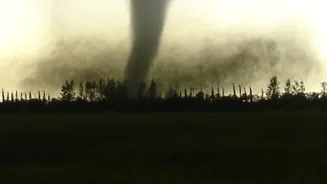
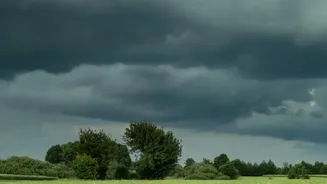
The first mistake many travellers make is underestimating the monsoon. It isn't just a steady drizzle; it's a powerful weather system capable of causing significant disruption. In mountainous regions like Himachal Pradesh and Uttarakhand, heavy rains
saturate the soil, leading to a severe risk of landslides and flash floods. These events can block roads for days, isolating towns and leaving travellers stranded. Similarly, in coastal and plain areas, intense downpours can cause widespread waterlogging and flooding, bringing transportation to a complete halt and creating hazardous conditions.
The Unpredictability of Nature
Monsoon weather is notoriously fickle. A sunny morning can turn into a torrential downpour by the afternoon. This unpredictability is amplified in certain geographical locations. For example, hill stations and coastal areas can experience rapid changes in weather that a generalised forecast might not capture. A sudden, localised cloudburst can trigger flash floods in minutes. This is why looking at a multi-day forecast is essential for understanding the potential intensity and duration of rainfall, allowing you to plan outdoor activities safely or build buffer days into your itinerary.
Disruptions to Your Itinerary
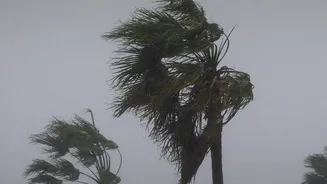
Beyond the immediate safety risks, ignoring weather warnings can derail your entire travel plan. During periods of heavy rain, transport services are often the first to be affected. Flights can be delayed, diverted, or cancelled due to low visibility, strong winds, or waterlogged runways at airports like Mumbai and Kolkata. Road travel is equally precarious, with the risk of closures due to floods or landslides. Even train schedules can be disrupted. Relying on a single mode of transport without a backup plan is a common mistake that can lead to significant stress and unexpected expenses. A detailed forecast helps you anticipate these potential disruptions and create a more flexible itinerary.
Hidden Health Risks
The monsoon season also brings an increase in health concerns. The combination of high humidity and stagnant water creates ideal breeding grounds for mosquitoes, leading to a spike in vector-borne diseases like dengue, malaria, and chikungunya. Furthermore, flooding can contaminate drinking water supplies, increasing the risk of water-borne illnesses such as typhoid, cholera, and gastroenteritis. Being aware of the forecast allows you to take necessary precautions, like packing mosquito repellent, carrying necessary medications, and being extra cautious about street food and drinking water, especially after heavy rainfall.
How to Get Reliable Forecasts
Checking the weather is simple, but getting accurate, localised information is key. The official India Meteorological Department (IMD) is the most reliable source. Its website, 'Mausam,' and mobile app provide district-wise forecasts, colour-coded warnings (watch, alert), and specialised bulletins for tourism. The IMD even offers a Route Forecast Tool that provides weather updates along your entire journey. Besides the IMD, several reputable third-party weather apps provide detailed hourly predictions and real-time rain radar maps. It is wise to check these sources daily before heading out, paying close attention to any warnings for heavy rain, thunderstorms, or strong winds.
Smarter Monsoon Planning
Ultimately, checking the forecast isn't about cancelling plans; it's about making them smarter and safer. Choose destinations known to be less affected by heavy rains, such as parts of Rajasthan or the Deccan Plateau. If you are visiting hilly or coastal regions, build flexibility into your schedule to account for potential delays. Pack appropriately with quick-drying clothes, waterproof bags for your electronics, and shoes with good grip. By respecting the power of the monsoon and using the tools available to understand it, you can avoid the common pitfalls and fully immerse yourself in the season's spectacular beauty.